Plot Twist: May Garden Tour of Our New Permaculture Space
By Self Sufficient Hub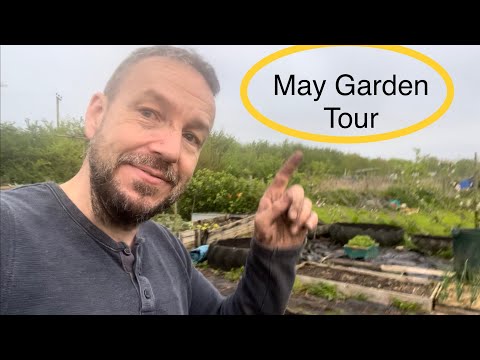
PermaNews Brief
Key Takeaways
A new garden plot featuring mature fruit trees and extensive brambles presents both opportunities and challenges for permaculture development, requiring strategic management of existing vegetation and persistent weeds.
- New plot offers fruit trees and space for permaculture.
- Existing apple and pear trees need pruning and care.
- Overgrown brambles require selective clearing and management.
- Couch grass is a major weed challenge for the plot.
- Fencing marks commitment to dedicated garden development.
Why It Matters
Transforming an undeveloped plot into a productive permaculture system requires understanding and leveraging existing features while addressing significant challenges like pervasive weeds and neglected plants.
What to Do Next
Assess your own garden or potential plot for existing, neglected fruit trees and plan their restorative pruning and care.
Recommended for: New landowners or gardeners interested in developing neglected plots using permaculture principles and willing to undertake significant initial effort.
The video provides an initial comprehensive tour of a newly acquired garden plot, highlighting its current state and the ambitious plans for its transformation into a productive permaculture space. The plot, previously part of a larger field, was recently fenced off, marking the beginning of its dedicated development.
A significant feature of the plot is the presence of several mature fruit trees, including apple and pear varieties. These trees, while established, require considerable attention. The apple trees, in particular, are showing signs of neglect, with numerous suckers growing from their bases and a general lack of proper pruning. The pear trees appear to be in slightly better condition, but still need care to optimize their fruit production and overall health. The presence of these existing fruit trees offers a head start in establishing a perennial food system, aligning well with permaculture principles of working with existing resources.
The plot also contains a substantial area of brambles, which are currently quite overgrown. While brambles can be a valuable food source, their current density and spread necessitate management. The plan is to clear a significant portion of these brambles to make way for other plantings, while potentially retaining some for their fruit and as a habitat for wildlife. This selective clearing demonstrates a balanced approach to land management, recognizing both the challenges and benefits of existing vegetation.
A key challenge identified is the presence of a large amount of couch grass, a persistent perennial weed known for its extensive root system. This weed will require significant effort to manage, likely involving methods such as sheet mulching or careful digging to suppress its growth without resorting to chemical herbicides, consistent with organic and permaculture practices. The video emphasizes the scale of this task, indicating it will be an ongoing process.
The plot's boundaries are defined by a newly installed fence, which provides security and delineates the garden space. Along one side of the fence, there's an existing hedge, which offers some privacy and potential for wildlife habitat. The plan is to enhance this hedge with additional plantings to create a more diverse and productive living fence, potentially incorporating edible or beneficial species.
The overall vision for the plot is to create a diverse and resilient permaculture system. This includes establishing various growing areas for annual vegetables, perennial herbs, and additional fruit bushes. The existing fruit trees will be brought back into production through careful pruning and feeding. The cleared bramble areas will be prepared for new plantings, and the couch grass will be systematically addressed.
The video also touches upon the practical aspects of managing such a project, acknowledging the time and effort required. It serves as a baseline recording, documenting the initial condition of the plot before the intensive work begins. This allows for future comparisons and tracking of progress as the permaculture design is implemented. The tour conveys a sense of excitement and determination, outlining a long-term commitment to transforming this raw piece of land into a thriving, self-sufficient garden.
Source: youtube.com
Related Analysis
- Rainforest Alliance Launches Certification Tied to Soil Results — A developing direction in regenerative ag certifications demands measurable soil outcomes, not just practice adoption. R…
- Campbell's Corporate Grants Push Farmers Into Regenerative Trials — Campbell's Grower Grants are funding real-acre regenerative trials, offering a corporate-backed mechanism for on-farm ex…
Related on PermaNews
- Optimal Timing: Fruit Tree Planting for Permaculture Success (Video)
- Choosing Your Fruit Tree: A Permaculture Guide (Video)
- Single Fruit Tree? Pollination Needs for Abundant Harvests (Video)
- Is Your Apple Tree Dead? Key Signs to Look For (Video)
- Grow Micro Gardens under your Fruit Trees (Video)
- David The Good's Easy Bench Grafting for Fruit Trees (Video)
Explore more in Food Systems & Growing — the full hub for this knowledge area.