Single Fruit Tree? Pollination Needs for Abundant Harvests
By Maritime Gardening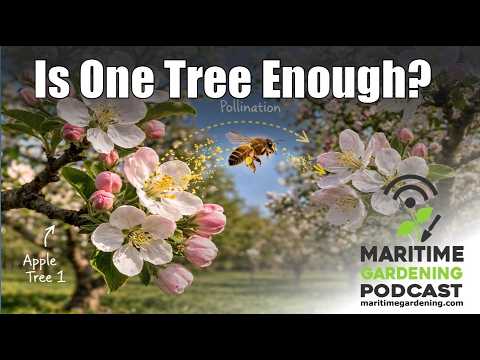
PermaNews Brief
Key Takeaways
Successful fruit production often hinges on understanding a tree's pollination needs, which vary widely by species and variety.
- Many fruit trees need cross-pollination for fruit production.
- Self-fertile trees can produce fruit alone, some benefit from a partner.
- Research specific pollination needs before planting fruit trees.
- Environmental factors are crucial for fruit tree success.
- Compatible varieties blooming together are essential for cross-pollination.
Why It Matters
Understanding fruit tree pollination is critical for maximizing yields and avoiding disappointment in your orchard or garden.
What to Do Next
Research the pollination requirements of your desired fruit tree varieties before purchasing.
Recommended for: Home gardeners, permaculture enthusiasts, and aspiring orchardists looking to maximize fruit tree productivity.
When considering planting fruit trees, a common question arises regarding the necessity of planting more than one tree for successful fruit production. The answer to this question is nuanced and depends significantly on the specific fruit tree species and variety being considered.
Many fruit trees require cross-pollination to produce fruit. This means that pollen from one tree needs to be transferred to the flowers of another tree of a compatible variety. Without this cross-pollination, the flowers may not be fertilized, leading to little to no fruit development. For these types of trees, planting only one specimen will likely result in disappointment. Examples of fruit trees that often fall into this category include many apple varieties, pears, and some plum varieties. When selecting these trees, it's crucial to research their pollination requirements and choose at least two compatible varieties that bloom around the same time. The compatibility is key, as not all varieties within a species can pollinate each other effectively.
However, not all fruit trees are dependent on cross-pollination. Some fruit trees are self-fertile, meaning they can produce fruit with pollen from their own flowers. For these trees, a single specimen is sufficient to yield a harvest. Examples of self-fertile fruit trees include many peach and apricot varieties, some plum varieties, and most sour cherries. While a single self-fertile tree can produce fruit, planting a second compatible variety can sometimes lead to increased yields or larger fruit due to enhanced pollination. This is often referred to as "self-pollinating with benefits."
Beyond the basic self-fertile versus cross-pollinating distinction, other factors can influence the success of a single fruit tree. Environmental conditions play a significant role. Adequate sunlight, proper soil drainage, and sufficient water are essential for any fruit tree to thrive and produce fruit, regardless of its pollination requirements. Pests and diseases can also impact fruit production, and a single tree might be more vulnerable to a complete crop loss if it's the only one present.
The presence of pollinators, such as bees and other insects, is also critical. Even if a tree is self-fertile, these insects can assist in transferring pollen within the same tree, improving the chances of successful fertilization. For cross-pollinating trees, the activity of these pollinators is absolutely essential for transferring pollen between different trees.
Space considerations are another practical aspect. For those with limited garden space, choosing a self-fertile variety or a dwarf rootstock can make it possible to enjoy fresh fruit from a single tree. However, if space allows, planting multiple trees, even of self-fertile varieties, can offer a more diverse harvest, extend the fruiting season, and provide a buffer against potential crop failures from a single tree.
In summary, the question of whether one fruit tree is enough is complex. For many fruit tree species, particularly apples and pears, planting a single tree will not yield fruit due to the need for cross-pollination from a compatible variety. Conversely, many peaches, apricots, and sour cherries are self-fertile and can produce fruit as a solitary specimen. Even for self-fertile trees, the presence of pollinators and optimal growing conditions are vital. Ultimately, understanding the specific pollination requirements of the chosen fruit tree variety is the most critical step in determining if a single tree will suffice for a successful harvest.
Source: youtube.com
Related Analysis
- Regenerative Farmers Flip Cover Crop Logic From Compliance to Profit — Practitioner accounts and a new meta-analysis suggest cover cropping is being reframed from conservation practice to pro…
- Farmers Convert Six Weeks of Rhubarb Into 25-Year Supply — Initial signals suggest a rhubarb preservation technique can extend a brief seasonal harvest into 25 years of storage—a …
Related on PermaNews
- Ernst Götsch's Cacao Syntropy: Master Agroforestry Now (How-To Guide)
- Finnish Off-Grid: Rocket Mass Heater Performance in Greenhouse (Case Study)
- Berlins schwimmende Gärten: Permakultur auf dem Wasser (Case Study)
- Rodale Report 2025: Thermal Mass Boost in Solar Greenhouses (Case Study)
- AUTarcaMatricultura La Palma: Permakultur & Energieautarkie (How-To Guide)
- Earthaven Ecovillage: 30 Years Off-Grid with Hydro & Solar (Video)
Explore more in Food Systems & Growing — the full hub for this knowledge area.