Is Your Apple Tree Dead? Key Signs to Look For
By Maritime Gardening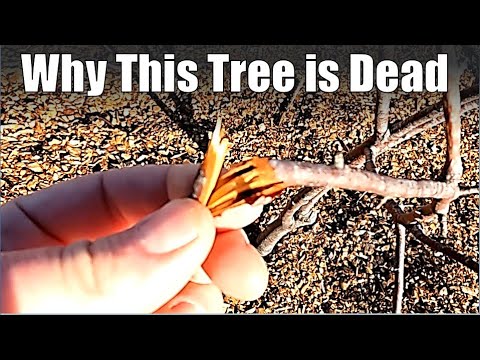
PermaNews Brief
Key Takeaways
Avoid prematurely removing apple trees by learning key indicators of health versus dormancy or death.
- Check leaves for vibrancy and attachment, especially during growing season.
- Examine buds for plumpness and greenness after a gentle scratch.
- Perform a cambium scratch test: green means alive, brown means dead.
- Assess branch flexibility; brittle branches indicate death.
- Repeat tests on multiple branches, from tips to trunk.
Why It Matters
Understanding these signs prevents unnecessary removal of potentially recoverable apple trees, saving effort and resources.
What to Do Next
Watch the video to see detailed demonstrations of each test for assessing apple tree vitality.
Recommended for: Home gardeners and orchard managers seeking reliable methods to assess apple tree health.
Determining whether an apple tree has truly died requires a careful examination of several key indicators, as a tree that appears lifeless might simply be dormant or experiencing a temporary setback. Understanding these signs can help gardeners avoid prematurely removing a tree that still has a chance of recovery.
One of the most immediate and visible signs to look for is the condition of the leaves. In a healthy apple tree during the growing season, leaves should be vibrant green and firmly attached to the branches. If the leaves are brown, brittle, and easily crumble when touched, or if they have fallen off prematurely outside of the typical autumn shedding period, it suggests a significant problem. However, it's important to differentiate this from normal dormancy; a dormant tree in winter will naturally have no leaves, but its buds should still show signs of life.
The condition of the buds is another critical indicator. Healthy apple tree buds, even in winter, should be plump and firm. A simple scratch test can be performed on a bud: if it's green underneath, it's likely alive. If it's brown and dry, the bud is dead. This test can be extended to the branches themselves.
A more definitive test involves examining the cambium layer, which is the thin layer of living tissue just beneath the outer bark. To perform this test, gently scratch a small section of the bark on a branch. If the cambium underneath is green and moist, the branch is alive. If it's brown, dry, or brittle, that section of the branch is dead. This test should be performed on several branches, starting from the tips and working inwards towards the main trunk. If all branches, including the smaller ones, show no green cambium, it's a strong indication that the tree is dead.
The flexibility of the branches can also offer clues. Live branches, especially younger ones, will have some degree of flexibility and will bend without snapping. Dead branches, on the other hand, will be brittle and will snap easily when bent. This is particularly noticeable in smaller twigs.
The presence of pests or diseases can sometimes mimic the appearance of a dead tree, but a truly dead tree will not exhibit any new growth or attempt to fight off these issues. If a tree has been severely affected by a disease or pest infestation, and despite treatment, shows no signs of recovery, it might be beyond saving.
Finally, the overall health of the trunk and root system is paramount. While the above-ground parts might appear dead, a healthy root system can sometimes allow a tree to regrow from the base. However, if the trunk itself is severely damaged, rotting, or shows extensive signs of decay, and the roots are also compromised, the chances of survival are minimal. A dead tree will often have a dry, brittle trunk, and if you attempt to dig around the base, the roots may also appear shriveled and lifeless.
In summary, determining if an apple tree is dead involves a comprehensive assessment of its leaves, buds, cambium layer, branch flexibility, and the overall condition of its trunk and roots. Observing a lack of green cambium across multiple branches and the trunk, combined with brittle branches and no new growth during the growing season, are strong indicators that the tree has indeed passed away.
Source: youtube.com
Related Analysis
- Food Forest Courses Shift From Theory to Build-Ready Skills — Several food forest courses now open with site assessment and guild-building rather than design theory, suggesting a dev…
- Practitioners Build Silvopasture Playbook Before Researchers Catch Up — A small but consistent set of signals from the Northeast U.S. shows farmers actively piloting silvopasture while formal …
Related on PermaNews
- Easy Weed Control: Soil Damage Proof & Better Methods (Video)
- Year-Round Harvest: The 6-Month Storage Perennial Vegetable (Video)
- Year-Round Garlic: Perennial Allium Sativum Harvests! (Video)
- Boost Tomato Yield: Avoid These Seedling Mistakes (Video)
- Avoid This Seedling Potting Error: Boost Your Harvests! (Video)
- Avoid These Seeds for Indoor Starting (Gardening Error) (Video)
Explore more in Food Systems & Growing — the full hub for this knowledge area.