Huw Richards: The Strombocactus Tactile Experience
By Crime Pays But Botany Doesn't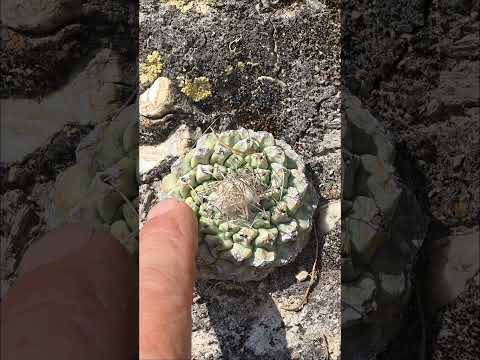
TL;DR: Explore the surprising tactile world of cacti, challenging common perceptions of their spines and revealing their unique adaptations.
- Cacti offer diverse tactile experiences beyond their spines.
- Strombocactus has firm, woody texture despite spines.
- Spines protect, reduce water loss, aid seed dispersal.
- Careful interaction deepens plant appreciation.
- Cacti vary widely in spine types and tactility.
Why it matters: Understanding the diverse characteristics of cacti, including their often-overlooked tactile qualities, can enrich plant appreciation and cultivation practices by encouraging closer interaction and observation.
Do this next: Carefully observe a cactus near you, noticing its texture and spine types without fear.
Recommended for: Plant enthusiasts and gardeners curious about a deeper, more tactile connection with their plants.
The article, "Touch My Strombocactus" by Huw Richards, delves into the fascinating world of cacti, specifically focusing on the genus *Strombocactus* and the broader implications of their unique characteristics for plant cultivation and appreciation. Richards emphasizes the often-overlooked tactile experience of interacting with cacti, challenging the common perception that they are solely to be admired from a distance due to their spines.
The *Strombocactus* genus is highlighted as a particularly intriguing example. These cacti are generally small, slow-growing, and highly sought after by collectors due to their distinctive appearance and rarity. Richards describes their unique epidermal texture, which, despite the presence of spines, can be surprisingly firm and almost woody to the touch in some species. This tactile quality is presented as a key aspect of their appeal, inviting a closer, more intimate interaction than one might initially expect from a spiny plant. The article suggests that this physical engagement can deepen one's understanding and appreciation of the plant's adaptations and life cycle.
Beyond the *Strombocactus*, the discussion expands to the broader diversity within the cactus family. Richards points out that not all cacti are uniformly spiny or dangerous to touch. There's a wide spectrum of spine types, from soft, hair-like glochids to rigid, needle-sharp defenses. Some cacti even possess spines that are relatively harmless or can be carefully handled. This observation encourages a more nuanced approach to cacti, advocating for careful exploration and observation rather than blanket avoidance.
The article also touches upon the ecological significance of spines. They serve multiple purposes, including protection from herbivores, reduction of water loss by creating a boundary layer of still air, and even aiding in seed dispersal in some cases. Understanding these functions adds another layer to appreciating the evolutionary ingenuity of cacti. Richards implicitly encourages readers to consider the adaptive strategies that have allowed these plants to thrive in harsh, arid environments.
Furthermore, the author discusses the cultivation of cacti, noting that many species, including *Strombocactus*, require specific conditions to flourish. These often include well-draining soil, ample sunlight, and careful watering practices. The slow growth rate of *Strombocactus* is presented as a characteristic that demands patience and a long-term perspective from cultivators, fostering a deeper connection to the plant's life journey. This aspect of cultivation aligns with permaculture principles of observation and slow, small solutions.
Richards' piece ultimately advocates for a more holistic and sensory engagement with the plant world. By focusing on the tactile experience of *Strombocactus* and other cacti, the article challenges preconceived notions and encourages a closer, more mindful interaction with nature. It suggests that true appreciation comes not just from visual observation but also from engaging multiple senses, leading to a richer and more profound understanding of the natural world. The narrative subtly promotes a sense of wonder and curiosity, inviting readers to explore the often-overlooked details and textures of plants around them.
Source: youtube.com
Related Analysis
- Farmers Convert Six Weeks of Rhubarb Into 25-Year Supply — Initial signals suggest a rhubarb preservation technique can extend a brief seasonal harvest into 25 years of storage—a …
- Compost Builds Soil Microbiomes—But Human Waste Divides Practitioners — A small but consistent set of signals indicates composting's soil benefits are well-documented, while human-waste compos…
Related on PermaNews
- Drainage Canals: New Hope for Endangered Plants (Video)
- Grow Food Anywhere! Huw Richards & Sam Cooper Live Q&A (Video)
- Huw Richards' Herbarium: UK Seed Saving Check-Up (Video)
- Concrete Botany: Huw Richards' New Book, 2 Months Out (Video)
- Huw Richards: Strongylodon Macrobotrys - The Jade Vine (Video)
- Dong Palm Marinara Stains: Huw Richards' Removal Guide (Video)
Explore more in Food Systems & Growing — the full hub for this knowledge area.