Grow Food Anywhere! Huw Richards & Sam Cooper Live Q&A
By Huw Richards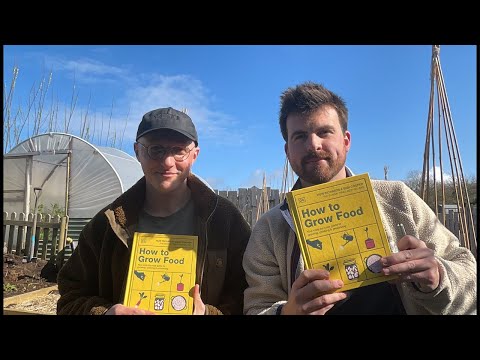
TL;DR: Cultivating a thriving food garden, even in confined spaces, relies on understanding local conditions, enriching soil, and smart watering.
- Start small with resilient crops like tomatoes and beans.
- Healthy soil, rich in organic matter, is fundamental.
- Raised beds and containers suit limited space.
- Water deeply and less frequently to encourage root growth.
- No-dig gardening improves soil health and ecosystem.
Why it matters: Adopting sustainable and organic practices in food growing enhances yield, conserves resources, and builds resilience in your garden ecosystem.
Do this next: Assess your garden or balcony for sunlight patterns throughout the day to inform plant selection.
Recommended for: New gardeners and those with limited space seeking practical, sustainable food growing advice.
This live chat session featured Huw Richards and Sam Cooper, focusing on practical advice for growing food, particularly for those with limited space or experience. The discussion covered a range of topics, from initial planning and soil preparation to pest management and harvesting, emphasizing sustainable and organic practices.
A significant portion of the conversation revolved around getting started. For beginners, the advice centered on starting small and choosing easy-to-grow crops. Tomatoes, lettuce, radishes, and bush beans were frequently mentioned as good entry points due to their relatively quick growth and high success rates. The importance of understanding your local climate and sunlight availability was also highlighted. Knowing how much sun a particular area receives throughout the day is crucial for selecting appropriate plants and ensuring their healthy development.
Soil health was presented as the foundation of successful food growing. The experts stressed that healthy soil leads to healthy plants, which are more resistant to pests and diseases. They advocated for enriching soil with organic matter, such as compost, to improve its structure, water retention, and nutrient content. For those with poor soil or limited ground space, raised beds and containers were suggested as excellent alternatives. Raised beds offer better control over soil quality and drainage, while containers provide flexibility for urban gardeners or those with small patios. The discussion also touched upon the benefits of no-dig gardening, a method that minimizes soil disturbance and promotes a thriving soil ecosystem.
Watering techniques were another key area of focus. The speakers advised against overwatering, which can lead to root rot, and underwatering, which stresses plants. Instead, they recommended checking the soil moisture regularly and watering deeply but less frequently, encouraging roots to grow deeper into the soil. Drip irrigation and soaker hoses were mentioned as efficient watering methods that conserve water and deliver it directly to the plant roots.
Pest and disease management was approached from a preventative and organic perspective. The experts emphasized creating a diverse garden ecosystem to attract beneficial insects that prey on common pests. Companion planting, where certain plants are grown together to deter pests or attract pollinators, was also discussed. For existing pest problems, organic solutions like neem oil, insecticidal soap, or manual removal were recommended over synthetic pesticides. The importance of good air circulation around plants to prevent fungal diseases was also highlighted.
Harvesting at the right time was presented as crucial for maximizing flavor and yield. The speakers provided tips on how to identify when various vegetables are ready for picking, encouraging regular harvesting to stimulate further production. They also touched upon succession planting, a technique where new crops are planted every few weeks to ensure a continuous harvest throughout the growing season.
The conversation also delved into specific plant care tips. For example, pruning tomatoes to encourage fruit production and staking taller plants to provide support were discussed. The benefits of crop rotation, a practice of changing the location of crops each year to prevent nutrient depletion and disease buildup, were also explained.
Throughout the session, the overarching theme was about learning through observation and experimentation. Gardeners were encouraged to pay attention to their plants, understand their needs, and adapt their practices based on what they observe. The experts stressed that gardening is a continuous learning process, and even experienced growers encounter challenges. The live chat aimed to empower individuals to start their food growing journey with confidence, providing practical, actionable advice for cultivating a productive and sustainable garden, regardless of its size.
Source: youtube.com
Related Analysis
- Farmers Convert Six Weeks of Rhubarb Into 25-Year Supply — Initial signals suggest a rhubarb preservation technique can extend a brief seasonal harvest into 25 years of storage—a …
- Compost Builds Soil Microbiomes—But Human Waste Divides Practitioners — A small but consistent set of signals indicates composting's soil benefits are well-documented, while human-waste compos…
Related on PermaNews
- Weltbiodiversätstag: Die Bio-Balkon-Bewegung schafft Lebensraum für 🌺🌿🐝🐛🦋🐞🪴 (Video)
- Comment créer un micro jardin-forêt productif ! (Video)
- Grow HUGE Winter Squash in SMALL Spaces! Vertical Gardening Hack #shorts (Video)
- Boost 4000 Native Bee Species: Organic Garden Tips (Video)
- 🍅 Cómo sembrar tomates en maceta correctamente | Guía básica para balcones y terrazas (Video)
- Cold Snap Composting: Hot Piles for Winter Gardens (Video)
Explore more in Food Systems & Growing — the full hub for this knowledge area.