Drainage Canals: New Hope for Endangered Plants
By Crime Pays But Botany Doesn't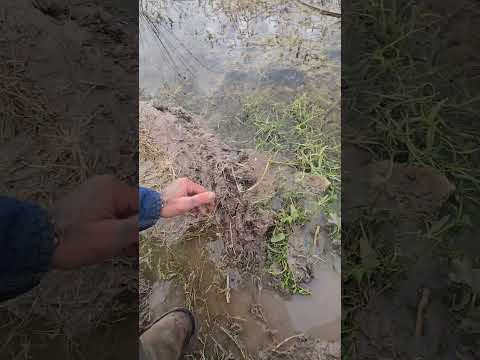
TL;DR: Drainage canals can be repurposed as unexpected havens for endangered plants, boosting biodiversity and rethinking urban water infrastructure.
- Canals offer unique microclimates for vulnerable flora.
- Careful planning matches species to canal conditions.
- Specialized planting structures support growth.
- Repurposing canals creates new ecological corridors.
- Assess individual species needs for success.
Why it matters: This initiative offers a scalable, low-cost solution for conservation, turning overlooked infrastructure into vital ecological assets and rethinking how we manage shared spaces.
Do this next: Research local endangered plant species and suitable canal-like habitats.
Recommended for: Conservationists, urban planners, and environmental enthusiasts interested in innovative biodiversity solutions.
A recent initiative has focused on utilizing drainage canals as a novel habitat for the propagation and conservation of endangered plant species. This approach recognizes the often-overlooked ecological potential of these man-made waterways, which typically serve a singular function of water management. Instead of viewing them merely as conduits for excess water, the project re-imagines them as linear ecological corridors that can support biodiversity, particularly for plants facing extinction.
The core idea behind this endeavor is to leverage the unique environmental conditions present in drainage canals. Many endangered plant species have specific requirements for moisture, light, and soil composition that can be met or even replicated within these canal systems. For instance, some species thrive in consistently damp or waterlogged conditions, which are naturally occurring in drainage canals. Others might benefit from the reduced competition from more common, aggressive plants that typically colonize disturbed land, as the canal environment can be less hospitable to such generalist species.
The implementation of this project involves several key steps. Firstly, a thorough assessment is conducted to identify endangered plant species that are suitable candidates for canal-based propagation. This involves analyzing their ecological needs, their current population status, and their potential to adapt to the canal environment. Factors such as water flow, sediment type, sunlight exposure, and potential for human disturbance are carefully considered.
Once suitable species are identified, a meticulous planting strategy is developed. This often involves creating specialized planting beds or structures within the canals to provide optimal growing conditions. These structures might include submerged platforms, floating islands, or reinforced banks designed to prevent erosion and provide a stable substrate for plant growth. The choice of planting method depends on the specific requirements of each species and the characteristics of the canal section.
Furthermore, the project emphasizes the importance of ongoing monitoring and maintenance. Regular inspections are conducted to assess plant health, growth rates, and the presence of any invasive species that could threaten the newly established populations. Water quality is also continuously monitored to ensure it remains suitable for the endangered plants. This proactive approach helps to mitigate potential risks and ensures the long-term success of the conservation efforts.
Beyond the direct conservation of endangered plants, this initiative also offers broader ecological benefits. By introducing diverse plant life into drainage canals, the project aims to enhance the overall biodiversity of these areas. The presence of new plant communities can attract various insect species, birds, and other wildlife, thereby creating more complex and resilient ecosystems. This can contribute to the ecological health of the surrounding landscape, acting as stepping stones or corridors for wildlife movement.
The project also serves as a valuable educational tool, raising awareness about the importance of biodiversity conservation and the potential for innovative solutions in environmental management. It demonstrates that even seemingly utilitarian infrastructure can be repurposed to serve ecological goals, encouraging a more holistic and integrated approach to land and water management. This shift in perspective can inspire similar initiatives in other regions facing biodiversity loss.
In essence, the planting of endangered plants on drainage canals represents a pragmatic and forward-thinking approach to conservation. It transforms overlooked and often ecologically sterile environments into vibrant habitats, offering a lifeline to species on the brink of extinction while simultaneously enriching the broader ecosystem. This strategy highlights the potential for creative solutions in addressing pressing environmental challenges.
Source: youtube.com
Related Analysis
- Projects Pivot to Integrate Rainwater Harvesting with Energy — New evidence indicates a shift toward integrating rainwater cisterns with renewable energy systems in permaculture proje…
- Farmers Pivot to Innovative Water Solutions Amid Drought — Decentralized water management systems are emerging among regenerative farms to enhance resilience against drought.
Related on PermaNews
- What Happens When a Species Disappears? The Chain Reaction Nobody Talks About (Article)
- IUCN Launches Global Guidelines for Rewilding (Article)
- SCNAT: Biodiversität Schweiz – Dringender Schutz gefordert (Article)
- Protected Land, Real Progress: Engineering for Land Trusts and Nonprofits (Video)
- Alister Scott on Uniting Global Rewilding Efforts (Article)
- What Is Rewilding? (Article)
Explore more in Water, Climate & Adaptation — the full hub for this knowledge area.