What Is Rewilding?
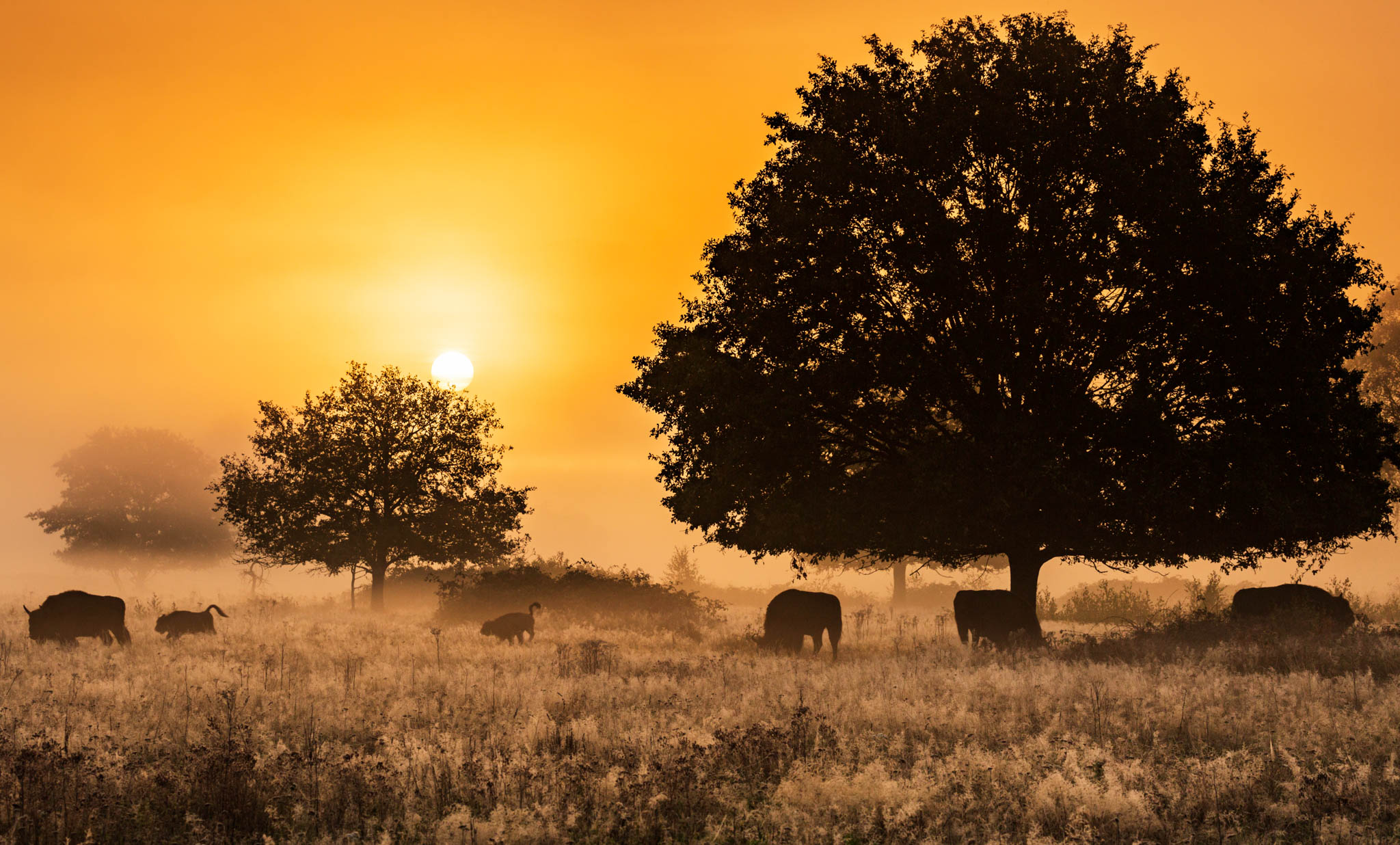
This explainer from Rewilding Europe defines rewilding as a progressive conservation approach centered on allowing natural processes to shape land and sea, repair damaged ecosystems, and restore degraded landscapes. Its practical value comes from showing what rewilding looks like in operational terms. The piece makes clear that rewilding is not simply leaving land alone; it often requires creating the right conditions for natural recovery by removing barriers such as dykes and dams, reducing active wildlife management, allowing natural forest regeneration, and reintroducing species that were lost through human activity.
One of the article’s most useful points is that rewilding works to restore lost species guilds and ecosystem functions by giving wildlife space to thrive and by supporting population enhancement or species reintroduction when appropriate. This helps distinguish rewilding from narrower species-focused conservation. Instead of concentrating only on rare species, the article frames the work around rebuilding interacting communities and the ecological processes that sustain them. That is directly relevant to long-term resilience because functioning ecosystems are more able to absorb disturbance, recover naturally, and provide ongoing services such as water regulation and habitat support.
The article also links rewilding to economic and social possibilities. It notes that nature tourism can flourish and that local people can earn a fair living from nature-based enterprises. This is significant for land-use planning because it connects ecological recovery with livelihood diversification rather than treating conservation as economically separate from human communities. In practice, that makes the article useful for people looking at rural regeneration, landscape planning, or nature-based enterprise development.
The broader message is that rewilding is about moving up a scale of wildness over time, with no fixed end point. That framing is helpful because it allows projects to be designed as long-term transitions rather than one-time interventions. The article is best suited to readers who need a clear, accessible explanation of rewilding with enough practical detail to understand how the approach is implemented and why it matters for both biodiversity and human wellbeing.
Source: rewildingeurope.com
Related Analysis
- Projects Pivot to Integrate Rainwater Harvesting with Energy — New evidence indicates a shift toward integrating rainwater cisterns with renewable energy systems in permaculture proje…
- Farmers Pivot to Innovative Water Solutions Amid Drought — Decentralized water management systems are emerging among regenerative farms to enhance resilience against drought.
Related on PermaNews
- Design Starts with Water (Video)
- Permaculture is Revolution Disguised as Gardening | David Holmgren—Wild & Kind series, Morag Gamble (Video)
- UN Issues AI Warning After New Data Reveals Major Impact on the Planet and Its Resources (Article)
- What is Permaculture? (Video)
- Nearly 300 Studies Link the Common Pesticide Chlorpyrifos to Multi-Organ Damage, DNA Disruption, and Chronic Disease (Article)
- Topsoil is the basis of life on Earth (Video)
Explore more in Water, Climate & Adaptation — the full hub for this knowledge area.