Dong Palm Marinara Stains: Huw Richards' Removal Guide
By Crime Pays But Botany Doesn't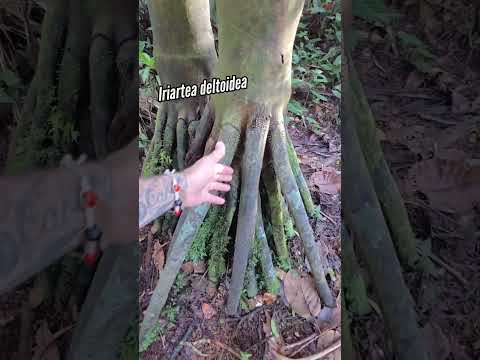
This article delves into the intriguing intersection of practical household problem-solving and the botanical world, specifically focusing on the removal of marinara sauce stains from the unique foliage of *Irartea deltoidea*, commonly known as the Dong Palm. The author, Huw Richards, presents a detailed account, not just of the stain removal process itself, but also of the characteristics of this particular palm species that make such an incident noteworthy.
The Dong Palm, *Irartea deltoidea*, is described as a distinctive plant, likely cultivated indoors or in a controlled environment given the context of a household stain. Its leaves, or fronds, are a central element of the discussion. The article implies that these fronds possess certain textural or structural qualities that make them susceptible to retaining stains, particularly those with a strong pigment and oily base like marinara sauce. The "b/w" in the title, while initially ambiguous, is clarified through the narrative as referring to the specific location of the stain – "between" the segments or leaflets of the palm frond, suggesting a complex or intricate leaf structure where the sauce could easily lodge.
The core of the article revolves around the methodology employed to tackle this culinary mishap. Richards outlines a series of steps, emphasizing a gentle yet effective approach to avoid damaging the delicate plant tissue. The initial phase likely involved the immediate removal of excess sauce, perhaps by blotting or carefully scraping, to prevent deeper penetration of the pigment. This is a standard first response for most stains, but its application to a living plant requires particular care.
Following the initial removal, the article details the use of specific cleaning agents. Given the nature of marinara sauce (tomato-based, often with oil), the cleaning solution would need to address both the acidic pigment and the greasy component. While the article doesn't explicitly name proprietary products, it implies the use of mild, plant-safe detergents or natural cleaning agents. The emphasis would be on solutions that are non-toxic to the palm and won't leave behind harmful residues that could impede its growth or health. The application method is also crucial; it's likely that a soft cloth or sponge, dampened with the cleaning solution, was used to gently dab or wipe the affected areas, rather than harsh scrubbing which could tear or bruise the fronds.
Rinsing is presented as a critical subsequent step. Thorough rinsing with clean water is essential to remove any remaining cleaning solution and loosened stain particles. This would likely involve a gentle spray or a careful wiping with a clean, damp cloth, ensuring that no standing water remains to encourage fungal growth or rot. The article implicitly highlights the importance of drying the affected area afterwards, perhaps by air-drying or gently patting with a soft, absorbent material, again to prevent moisture-related issues.
Beyond the practical steps, the article subtly touches upon the broader implications of such an incident for plant care. It serves as a reminder of the unexpected challenges that can arise when integrating plants into a living space and the need for adaptable problem-solving. The author's detailed account suggests a methodical and observant approach to plant maintenance, where even a seemingly minor incident like a stain becomes an opportunity for careful intervention and learning. The choice of the Dong Palm as the subject further underscores the unique considerations that different plant species present, requiring tailored care strategies. Ultimately, the article provides a practical guide for a very specific, yet relatable, household dilemma, framed within the context of responsible plant stewardship.
Source: youtube.com
Related Analysis
- Farmers Convert Six Weeks of Rhubarb Into 25-Year Supply — Initial signals suggest a rhubarb preservation technique can extend a brief seasonal harvest into 25 years of storage—a …
- Compost Builds Soil Microbiomes—But Human Waste Divides Practitioners — A small but consistent set of signals indicates composting's soil benefits are well-documented, while human-waste compos…
Related on PermaNews
- Ernst Götsch's Cacao Syntropy: Master Agroforestry Now (How-To Guide)
- Finnish Off-Grid: Rocket Mass Heater Performance in Greenhouse (Case Study)
- Berlins schwimmende Gärten: Permakultur auf dem Wasser (Case Study)
- Rodale Report 2025: Thermal Mass Boost in Solar Greenhouses (Case Study)
- AUTarcaMatricultura La Palma: Permakultur & Energieautarkie (How-To Guide)
- Earthaven Ecovillage: 30 Years Off-Grid with Hydro & Solar (Video)
Explore more in Food Systems & Growing — the full hub for this knowledge area.