Concrete Botany: Huw Richards' New Book, 2 Months Out
By Crime Pays But Botany Doesn't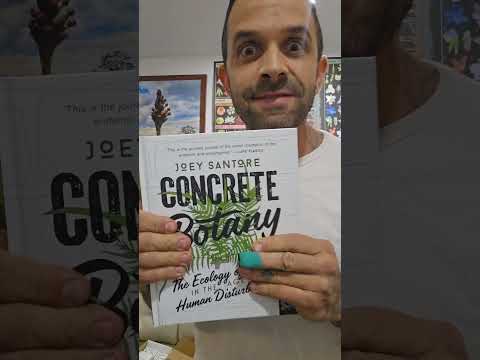
TL;DR: Huw Richards announces his new book, "Concrete Botany," exploring how wild plants thrive in urban environments and impact city ecosystems.
- Urban plants adapt to harsh conditions.
- They contribute to urban biodiversity.
- Can improve air quality and microclimates.
- Challenges traditional views of plant beauty.
- Essential for sustainable urban planning.
Why it matters: Understanding urban flora is crucial for sustainable city development, helping us appreciate and integrate nature into increasingly concrete landscapes and fostering healthier urban environments.
Do this next: Pre-order Huw Richards' new book, "Concrete Botany," to explore the resilience of urban plant life.
Recommended for: Urban dwellers, nature enthusiasts, and ecological thinkers interested in the intersection of botany and urban development.
Huw Richards recently announced that his new book, "Concrete Botany," is scheduled for release in approximately two months. This upcoming publication delves into the fascinating intersection of urban environments and plant life, exploring how nature adapts and thrives even in seemingly inhospitable concrete landscapes.
The book is expected to offer a unique perspective on botany, moving beyond traditional garden settings to examine the resilience and ingenuity of plants that colonize cracks in pavements, walls, and other man-made structures. Richards, known for his insightful observations on natural processes, likely provides a detailed look at the specific species that are most successful in these urban niches. He will probably discuss their survival strategies, such as their ability to tolerate harsh conditions, limited water, and poor soil quality.
"Concrete Botany" is anticipated to be more than just a catalog of urban plants. It will likely explore the ecological roles these plants play, even in small, isolated patches. This could include their contributions to biodiversity, their impact on microclimates, and their potential for improving air quality in urban areas. Richards might also touch upon the aesthetic value these spontaneous growths add to the urban fabric, challenging conventional notions of what constitutes "beautiful" or "desirable" plant life.
The book's themes are particularly relevant in an increasingly urbanized world. As cities expand, understanding how nature persists and adapts within them becomes crucial for fostering more sustainable and livable environments. Richards' work could inspire readers to look at their surroundings with fresh eyes, recognizing the hidden botanical wonders that often go unnoticed. He may encourage a greater appreciation for the wilder, untamed aspects of urban nature, suggesting that these spontaneous growths are not merely weeds but vital components of the urban ecosystem.
Furthermore, "Concrete Botany" might offer practical insights for urban planners, landscape architects, and even individual citizens interested in promoting green spaces. While not a how-to guide for gardening, it could provide foundational knowledge about the types of plants that naturally thrive in urban conditions, informing decisions about planting choices and ecological restoration efforts. The book could also spark conversations about the importance of preserving and even encouraging these "concrete botanists" as a way to enhance urban biodiversity and resilience.
Richards' previous work suggests a meticulous approach to research and a passion for communicating complex ecological concepts in an accessible manner. Therefore, "Concrete Botany" is expected to be well-researched, engaging, and thought-provoking, appealing to a broad audience ranging from seasoned botanists and environmentalists to curious urban dwellers. The impending release of "Concrete Botany" signals an exciting new contribution to the literature on urban ecology and permaculture, offering a fresh perspective on the enduring power of nature in unexpected places.
Source: youtube.com
Related Analysis
- Farmers Convert Six Weeks of Rhubarb Into 25-Year Supply — Initial signals suggest a rhubarb preservation technique can extend a brief seasonal harvest into 25 years of storage—a …
- Compost Builds Soil Microbiomes—But Human Waste Divides Practitioners — A small but consistent set of signals indicates composting's soil benefits are well-documented, while human-waste compos…
Related on PermaNews
- Weltbiodiversätstag: Die Bio-Balkon-Bewegung schafft Lebensraum für 🌺🌿🐝🐛🦋🐞🪴 (Video)
- Comment créer un micro jardin-forêt productif ! (Video)
- Grow HUGE Winter Squash in SMALL Spaces! Vertical Gardening Hack #shorts (Video)
- 🍅 Cómo sembrar tomates en maceta correctamente | Guía básica para balcones y terrazas (Video)
- Permakultur-Sommercamp: Nachhaltiges Gärtnern in der Stadt (Event)
- Urban Food Forest Creation: Geoff Lawton's Permaculture Design (Video)
Explore more in Food Systems & Growing — the full hub for this knowledge area.