Garden Room Build 2024: 4 Crucial Planning Insights
TL;DR: Building a garden room requires careful planning, considering regulations, intended use, and site-specific conditions for a successful and compliant outcome.
- Planning permission is crucial for garden room compliance.
- Intended use dictates design and construction needs.
- Site access and material delivery are practical hurdles.
- Budgeting must include hidden costs and professional fees.
Why it matters: A well-planned garden room enhances property value and provides versatile living space, but neglecting key considerations can lead to costly delays and non-compliance.
Do this next: Consult your local planning authority to understand specific garden room regulations for your property.
Recommended for: Homeowners looking to add a garden room and needing a comprehensive pre-construction checklist.
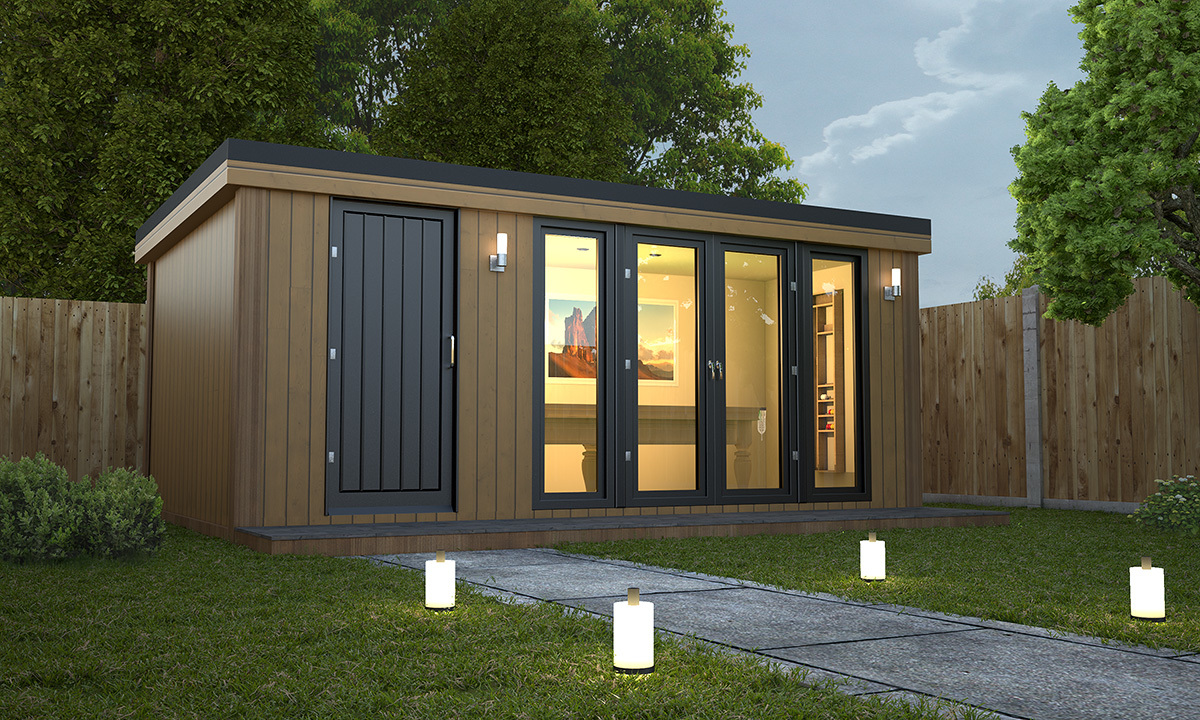
Building a garden room can significantly enhance a property, offering a versatile space that bridges the gap between indoor comfort and outdoor living. Before embarking on such a project, several crucial considerations need to be addressed to ensure a successful and compliant build.
Firstly, understanding the planning permission requirements is paramount. While many garden rooms fall under permitted development rights, meaning they don't require full planning permission, there are specific criteria that must be met. The size and height of the structure are key factors; for instance, if the room is located within two meters of a boundary, its maximum eaves height is typically limited to 2.5 meters. The overall height also has restrictions, varying based on the roof type (e.g., single-pitched or dual-pitched). Furthermore, the garden room generally cannot cover more than 50% of the original garden area. It's also important to note that permitted development rights may be restricted in conservation areas, Areas of Outstanding Natural Beauty, or if the property is listed. Consulting with the local planning authority early in the process is always recommended to avoid potential issues and ensure compliance with all regulations.
Secondly, the intended use of the garden room will heavily influence its design and construction. A space designed as a home office will have different requirements than one intended as a gym, an art studio, or a guest bedroom. For example, a home office will need robust insulation, reliable internet connectivity, and adequate lighting for prolonged work. A gym might require reinforced flooring and good ventilation. If the room is to be used as an occasional guest bedroom, considerations like plumbing for a small bathroom or kitchenette might arise, which would significantly impact the complexity and cost of the build. Defining the primary function early helps in making informed decisions about materials, utilities, and internal layout.
Thirdly, selecting appropriate materials is crucial for both the longevity and aesthetic appeal of the garden room. The choice of materials will impact insulation, weather resistance, and overall maintenance. Timber frames are a popular choice due to their natural look and ease of construction, but they require proper treatment and maintenance to prevent rot and insect damage. Other options include steel frames for greater durability or composite materials that offer a balance of aesthetics and low maintenance. The type of glazing is also important; double or triple glazing will significantly improve thermal efficiency, making the room comfortable year-round and reducing heating costs. Roofing materials range from traditional tiles to modern EPDM rubber roofs, each with its own advantages in terms of durability, cost, and appearance. The exterior cladding should complement the existing property and withstand local weather conditions.
Finally, budgeting and financing are critical aspects that need thorough planning. The cost of building a garden room can vary widely depending on its size, complexity, materials chosen, and the level of finish. It's essential to obtain detailed quotes from multiple contractors and to factor in all potential expenses, including site preparation, foundations, electrical and plumbing work, insulation, interior finishes, and landscaping around the new structure. Beyond the initial construction costs, ongoing expenses such as heating, cooling, and maintenance should also be considered. Exploring financing options, whether through savings, a personal loan, or a remortgage, is an important step. A well-defined budget helps in managing expectations and preventing unexpected financial burdens during the project.
Source: urbanfarmonline.com
Related Analysis
- Homeowners Retrofit Properties with Renewable Energy Solutions — Renewable energy retrofitting gains traction as regenerative agriculture principles inform home upgrades. Experts point …
- New Practices Build Climate-Resilient Cob Homes — Cob construction emerges as a key strategy in enhancing resilience against ecological challenges in permaculture systems…
Related on PermaNews
- Tiny House Construction Designs and Documents (How-To Guide)
- Maximize Your Garden: The Essential Guide to Garden Rooms (How-To Guide)
- Teenagers Complete Cabin Build: Practical Education Win! (Video)
- House Building: Rough-In Plumbing Essentials Explained (Article)
- Pavilion Progress: Lath and Plaster Walls Go Up (Article)
- Patio Remodel: Budget-Friendly Tips for Your Outdoor Oasis (How-To Guide)
Explore more in Shelter, Energy & Infrastructure — the full hub for this knowledge area.