Pavilion Progress: Lath and Plaster Walls Go Up
By Ziggy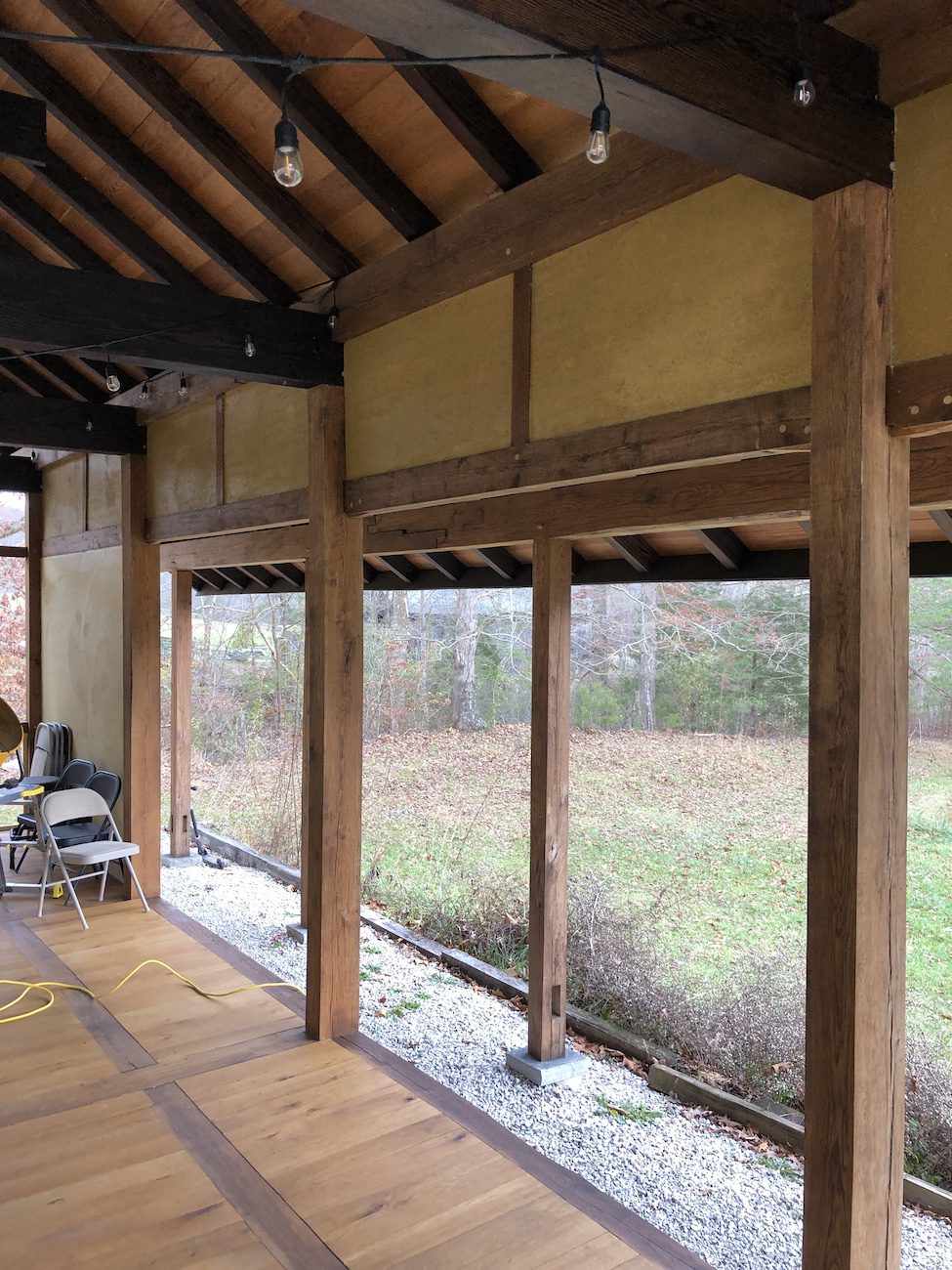
TL;DR: Mild autumn weather provided ideal conditions for applying lath and plaster to a pavilion, ensuring proper curing and structural integrity.
- Extended mild weather helped plaster cure.
- Lath installation forms plaster base.
- Multiple plaster coats ensure durability.
- Scratch coat keys to the lath.
- Brown coat creates even surface.
- Finish coat provides smooth aesthetic.
Why it matters: Proper lath and plaster application, supported by favorable weather, significantly extends building lifespan and structural stability.
Do this next: Check local weather patterns and forecasts before scheduling exterior plastering work.
Recommended for: Anyone interested in traditional building techniques, sustainable construction, or the impact of environmental factors on projects.
The construction of a pavilion, detailed in a recent update, has reached a significant milestone with the application of lath and plaster to its walls. This phase of the project was notably aided by an unusually mild autumn, which extended well into late October or early November before the first hard frost arrived. This extended period of favorable weather, characterized by weeks of dry conditions, provided an ideal environment for the plastering work, allowing materials to cure properly without the challenges typically posed by colder or wetter weather.
The process began with the installation of lath, which serves as the foundational layer for the plaster. This involved attaching thin strips of wood or metal to the structural framework of the pavilion walls. The lath provides a rough surface and mechanical key for the plaster to adhere to, ensuring its stability and longevity. The choice of lath material and its precise installation are critical steps, as they directly impact the final quality and durability of the plastered surface.
Following the lath installation, the plastering process commenced. This typically involves applying multiple coats of plaster, each serving a specific purpose. The initial coat, often referred to as the scratch coat, is applied with considerable pressure to ensure it thoroughly keys into the lath. This coat is intentionally left rough to provide a good bonding surface for the subsequent layers. After the scratch coat has sufficiently dried and cured, a second layer, known as the brown coat or leveling coat, is applied. This coat is designed to further build up the thickness of the wall and to create a flatter, more even surface. It is carefully troweled to achieve a uniform plane, correcting any minor irregularities from the previous layer.
The final layer applied is the finish coat. This is the thinnest and most visible layer, and its application requires skill and precision to achieve a smooth, aesthetically pleasing surface. The finish coat can be textured or left perfectly smooth, depending on the desired aesthetic. The mild, dry weather conditions were particularly beneficial during the application and curing of these plaster layers, as they allowed each coat to dry slowly and evenly, minimizing the risk of cracking or other imperfections that can arise from rapid drying or exposure to adverse weather.
The progress on the pavilion walls signifies a substantial advancement in the overall construction timeline. The completion of the lath and plaster work means that the interior and exterior surfaces of the walls are now largely finished, providing both structural integrity and a refined appearance. This stage often precedes the installation of interior fixtures, finishes, and potentially exterior treatments like paint or additional protective layers. The successful execution of this phase, facilitated by the cooperative weather, underscores efficient project management and a steady pace of construction for the pavilion.
Source: theyearofmud.com
Related Analysis
- Homeowners Retrofit Properties with Renewable Energy Solutions — Renewable energy retrofitting gains traction as regenerative agriculture principles inform home upgrades. Experts point …
- New Practices Build Climate-Resilient Cob Homes — Cob construction emerges as a key strategy in enhancing resilience against ecological challenges in permaculture systems…
Related on PermaNews
- Case Studies - New York State Climate Impacts Assessment (Case Study)
- Progress in Adapting to Climate Change: 2025 Report to Parliament (Article)
- Rosemary Morrow on Permaculture for a Changing Planet (Podcast)
- This Wood Built America. Then One Industry Destroyed 4 Billion Trees In 40 Years. (Video)
- Can Good Design Soften Climate Change? (Video)
- Wie bleiben wir in Zukunft gesund? Changemaker – Claudia Traidl-Hoffmann (Podcast)
Explore more in Shelter, Energy & Infrastructure — the full hub for this knowledge area.