House Building: Rough-In Plumbing Essentials Explained
By Ricardo Orlando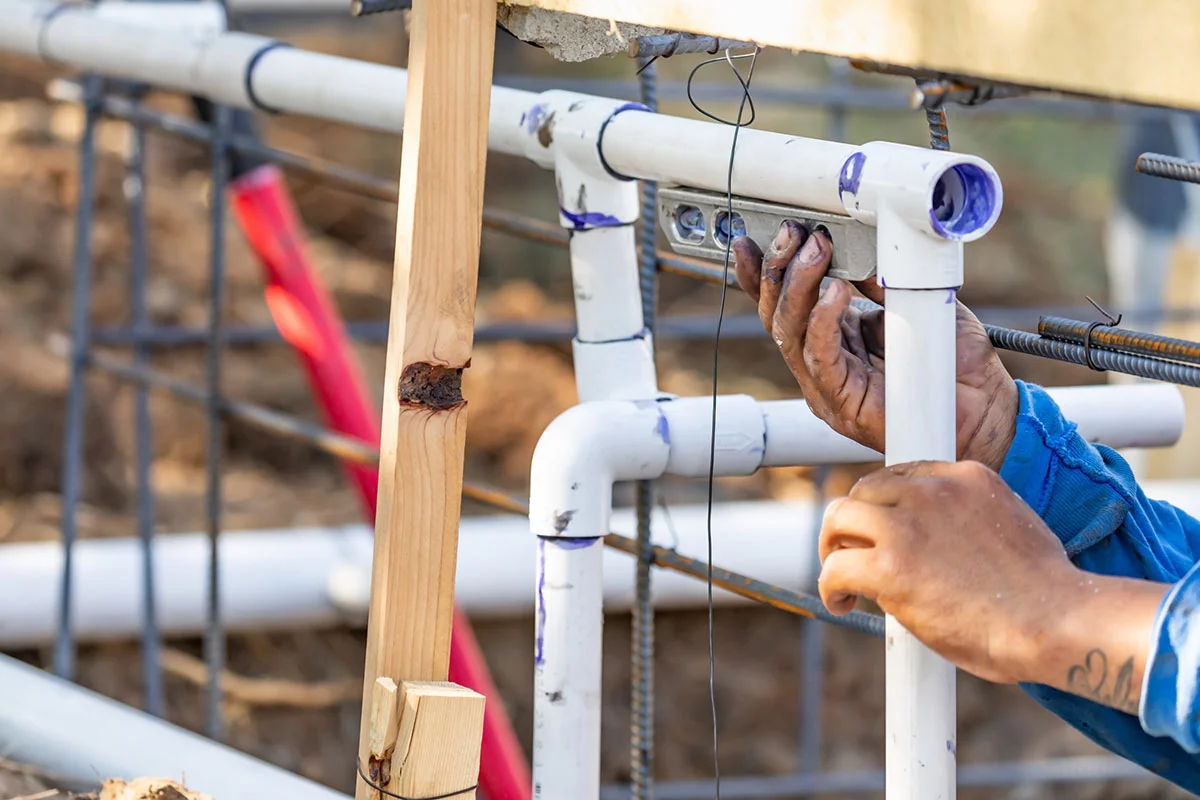
TL;DR: Rough-in plumbing is the essential groundwork for a home's water and drainage systems, installed before walls are closed up to ensure proper function and code compliance.
- Install all pipes and connections according to architectural plans and codes.
- Position hot/cold water, drain, and vent pipes accurately.
- Slope drain pipes correctly to prevent clogs and ensure gravity flow.
- Integrate vent pipes to prevent siphoning and sewer gas intrusion.
- Pressure test the entire system to detect and fix leaks early.
Why it matters: Proper rough-in plumbing prevents costly issues like leaks, poor drainage, and sewer gas problems, ensuring a healthy and functional home from the start.
Do this next: Consult local building codes and a qualified plumber early in your construction project to plan for rough-in plumbing.
Recommended for: Homebuilders, renovators, and those interested in the foundational aspects of home construction seeking to understand critical plumbing stages.
Rough-in plumbing represents a crucial phase in new home construction, establishing the foundational framework for the entire water supply and drainage system before walls are enclosed. This stage involves the installation of all necessary pipes, fittings, and connections that will eventually serve fixtures like sinks, toilets, showers, and appliances. It's a comprehensive process that occurs after the framing of the house is complete but before insulation and drywall are installed, allowing plumbers clear access to the structural elements.
The primary objective of rough-in plumbing is to accurately position all water lines, drain lines, and vent pipes according to the architectural plans and local building codes. This includes running hot and cold water supply lines to every fixture location, ensuring proper sizing and pressure. Simultaneously, drain-waste-vent (DWV) systems are meticulously installed. The drain pipes are sloped correctly to facilitate gravity-driven waste removal, while vent pipes are integrated to prevent vacuum formation in the drainage system, which could lead to siphoning of water from P-traps and the release of sewer gases into the living space. These vent pipes typically extend through the roof to the outside air.
A critical component of rough-in plumbing is the installation of the main water supply line from the utility connection to the house, as well as the main sewer line connecting the house's drainage system to the municipal sewer or septic tank. All connections are made and secured, and the system is typically pressure-tested at this stage to identify and rectify any leaks before they become inaccessible behind finished walls. This testing is often performed with water or air pressure, and it's a mandatory inspection point for building authorities.
Furthermore, rough-in plumbing encompasses the placement of shower valves, bathtub drains, and the necessary piping for water heaters, washing machines, and dishwashers. The precise location of these elements is vital, as any inaccuracies can lead to significant rework or compromise the functionality and aesthetics of the finished bathrooms and kitchen. For instance, the height and spacing of shower valves must be exact to accommodate the chosen fixtures.
Understanding the rough-in phase is important for homeowners because it dictates the future layout and functionality of their plumbing system. Changes or additions after this stage become considerably more complex and expensive. It also highlights the importance of working with experienced and licensed plumbers who are knowledgeable about local codes and best practices. Proper rough-in plumbing ensures efficient water delivery, effective waste removal, and the long-term integrity of the home's plumbing infrastructure, preventing costly issues down the line. This foundational work is a testament to the meticulous planning and execution required in home building, setting the stage for a functional and comfortable living environment.
Source: urbanfarmonline.com
Related Analysis
- Homeowners Retrofit Properties with Renewable Energy Solutions — Renewable energy retrofitting gains traction as regenerative agriculture principles inform home upgrades. Experts point …
- New Practices Build Climate-Resilient Cob Homes — Cob construction emerges as a key strategy in enhancing resilience against ecological challenges in permaculture systems…
Related on PermaNews
- Tiny House Construction Designs and Documents (How-To Guide)
- Garden Room Build 2024: 4 Crucial Planning Insights (How-To Guide)
- Teenagers Complete Cabin Build: Practical Education Win! (Video)
- Pavilion Progress: Lath and Plaster Walls Go Up (Article)
- DIY Home Plumbing: Essential Fixes & Maintenance (Article)
- Regular Drain Cleaning: 5 Key Benefits for Your Home (Article)
Explore more in Shelter, Energy & Infrastructure — the full hub for this knowledge area.