Patio Remodel: Budget-Friendly Tips for Your Outdoor Oasis
By Ricardo Orlando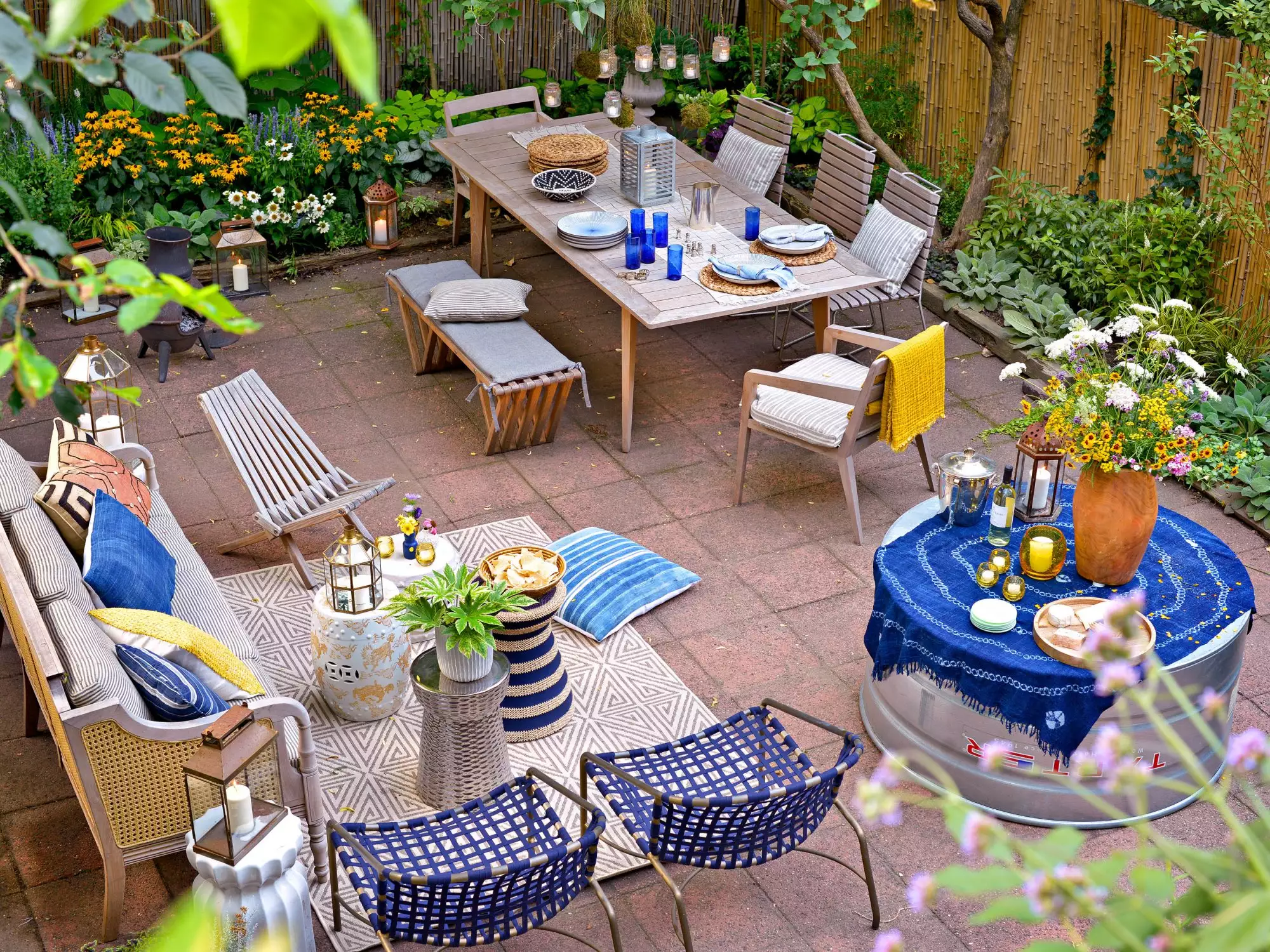
TL;DR: Revitalize your patio by assessing its current state, defining your desired improvements, and creating a detailed budget to transform your outdoor living area.
- Assess existing patio structures and identify renovation needs.
- Define project scope, considering aesthetics and functional changes.
- Explore flooring, seating, shade, lighting, and landscaping options.
- Create a detailed budget, including materials, labor, and permits.
- Prioritize upgrades and phase projects to manage costs effectively.
Why it matters: A well-renovated patio significantly enhances home value and enriches your outdoor living experience, offering a versatile space for relaxation and social events.
Do this next: Start by thoroughly evaluating your current patio to pinpoint areas for improvement and envision its future potential.
Recommended for: Homeowners looking to enhance their outdoor living areas with a structured and budget-conscious approach.
This article provides guidance on renovating an outdoor patio area, emphasizing its role as an integral part of the home for relaxation and social gatherings. It offers practical advice and a financial planning framework to assist homeowners in updating their existing patios.
The initial step in any patio renovation project involves a thorough assessment of the current space. This includes evaluating the structural integrity of existing elements, identifying areas requiring repair or replacement, and considering how the patio is currently utilized versus how it could be improved for future use. Understanding the existing conditions is crucial for developing a realistic plan.
Following the assessment, defining the project's scope is essential. This involves determining the desired aesthetic and functional changes. Homeowners should consider various design elements such as flooring materials (e.g., pavers, concrete, wood decking), seating arrangements, shade structures (e.g., pergolas, awnings), lighting fixtures, and landscaping features. The article suggests exploring different styles, from modern minimalist to rustic charm, to align with personal preferences and the home's overall architecture.
Budgeting is a critical component of the renovation process. The article advises creating a detailed financial plan that accounts for all potential expenses. This includes costs for materials, labor if professional help is hired, permits if required by local regulations, and a contingency fund for unexpected issues. It highlights that material costs can vary significantly based on quality and type, and labor expenses depend on the complexity of the work and the contractor's rates. Homeowners are encouraged to obtain multiple quotes from different suppliers and contractors to ensure competitive pricing.
To manage costs effectively, the article suggests several strategies. One approach is to prioritize essential upgrades and phase the project over time, tackling smaller, more manageable tasks first. Another tip is to consider DIY options for certain aspects of the renovation, such as painting or simple landscaping, to reduce labor costs. However, it cautions against attempting complex tasks without adequate skills or experience, as this could lead to costly mistakes. Exploring salvaged or recycled materials can also offer a budget-friendly and environmentally conscious alternative.
The article also emphasizes the importance of functionality and comfort in the renovated patio. It recommends incorporating elements that enhance usability, such as comfortable seating, adequate lighting for evening use, and features that provide protection from the elements, like shade structures or windbreaks. The integration of plants and greenery is also highlighted as a way to create a more inviting and natural ambiance, contributing to the overall aesthetic and ecological value of the space.
Finally, the article underscores the value of planning and patience. A well-thought-out plan, combined with careful budgeting and execution, can transform an outdated patio into a functional and beautiful outdoor extension of the home, enhancing both its aesthetic appeal and its utility for relaxation and entertainment.
Source: urbanfarmonline.com
Related Analysis
- Homeowners Retrofit Properties with Renewable Energy Solutions — Renewable energy retrofitting gains traction as regenerative agriculture principles inform home upgrades. Experts point …
- New Practices Build Climate-Resilient Cob Homes — Cob construction emerges as a key strategy in enhancing resilience against ecological challenges in permaculture systems…
Related on PermaNews
- Garden Room Build 2024: 4 Crucial Planning Insights (How-To Guide)
- Plywood Metal Roof Install: The Complete DIY Guide (How-To Guide)
- Transform Concrete Floors: Decorative Home Effects Guide (How-To Guide)
- Maximize Your Garden: The Essential Guide to Garden Rooms (How-To Guide)
- Spring Refresh: Home Improvement & Cleaning Guide (Article)
- Boost Home Value: 5 Tips for Any Property Owner (Article)
Explore more in Shelter, Energy & Infrastructure — the full hub for this knowledge area.