Winter Chickens: Warmth, Food & Water Strategies
By EdibleAcres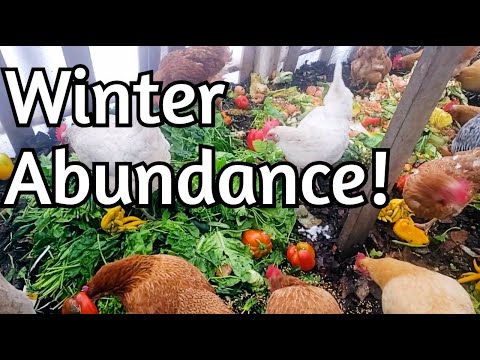
TL;DR: Winter chicken care focuses on draft-free coops, natural warmth, and increased feed to keep flocks healthy and productive in cold weather.
- Protect from drafts, not just cold temperatures.
- Good ventilation prevents moisture buildup.
- Deep litter method generates natural warmth.
- Increase feed, especially scratch grains.
- Avoid heat lamps due to fire risk and respiratory issues.
Why it matters: Proper winterization of chicken coops prevents common cold-weather ailments and maintains egg production, ensuring a healthy flock year-round.
Do this next: Implement the deep litter method in your coop to generate warmth and reduce cleaning frequency.
Recommended for: Backyard chicken keepers looking for practical, sustainable strategies to care for their flock in cold weather.
The article from EdibleAcres provides a detailed guide on how to successfully manage a chicken flock during the winter months, focusing on ensuring their warmth, consistent access to food, and a reliable water supply. The central theme revolves around proactive preparation and understanding the specific needs of chickens when temperatures drop.
A primary concern addressed is keeping chickens warm. The author emphasizes that chickens are naturally resilient to cold, especially if they are healthy and have adequate shelter. The key is to protect them from drafts, which are far more detrimental than low temperatures themselves. The coop should be well-ventilated but free from direct air currents. Insulation can be beneficial, particularly in extremely cold climates, but it's crucial to avoid sealing the coop completely, as good airflow prevents moisture buildup and respiratory issues. The deep litter method is highly recommended as a natural way to generate warmth within the coop. This involves gradually adding fresh bedding material (like straw or wood shavings) over soiled layers throughout the winter, allowing microorganisms to break down the waste and produce heat. This method also reduces the frequency of full coop cleanouts. Supplemental heat sources, such as heat lamps, are generally discouraged unless temperatures are consistently below freezing for extended periods or if there are very young or sick birds. If used, they pose a fire risk and should be installed with extreme caution. Instead, focusing on proper coop design, insulation, and the deep litter method is presented as a safer and more sustainable approach.
Ensuring a consistent food supply is another critical aspect. Chickens naturally eat more in winter to maintain their body temperature. The article advises providing a high-quality layer feed and supplementing it with scratch grains, which are higher in carbohydrates and provide extra energy for warmth. Free-ranging opportunities, even for short periods on warmer winter days, can still offer some foraging benefits. However, the primary diet should come from their feed. It's also important to monitor their consumption and adjust quantities as needed. Providing treats like cooked vegetables or mealworms can offer additional nutrients and keep the birds engaged.
Perhaps the most challenging aspect of winter chicken keeping is maintaining a reliable water supply. Water freezes quickly, and chickens need constant access to fresh water for digestion and overall health. The article explores several strategies to combat freezing. Heated waterers are presented as the most effective solution, ranging from submersible heaters placed in existing waterers to purpose-built heated founts. For those without electricity in the coop, alternative methods include bringing out fresh water multiple times a day, using black rubber tubs that absorb some solar heat, or placing waterers in sunny spots. Insulating water containers can also slow down the freezing process. The author stresses that even a few hours without water can negatively impact a chicken's health and egg production.
Beyond these core elements, the article touches on other important considerations. Roosting bars should be wide enough for chickens to cover their feet with their feathers, preventing frostbite. Regular health checks are important, as winter stress can make chickens more susceptible to illness. Egg production naturally declines in winter due to shorter daylight hours, but providing supplemental light (using a timer to extend daylight to 14-16 hours) can help maintain production, though this is an optional choice. Overall, the article advocates for a holistic approach to winter chicken care, emphasizing that a well-prepared and managed coop will lead to a healthy and productive flock throughout the colder months.
Source: youtube.com
Related Analysis
- Farmers Convert Six Weeks of Rhubarb Into 25-Year Supply — Initial signals suggest a rhubarb preservation technique can extend a brief seasonal harvest into 25 years of storage—a …
- Compost Builds Soil Microbiomes—But Human Waste Divides Practitioners — A small but consistent set of signals indicates composting's soil benefits are well-documented, while human-waste compos…
Related on PermaNews
- Supercharged Chicken Tractor for Permaculture Soil Health (Video)
- Goat Kidding Prep: Essential Tips for a Healthy Season (Video)
- Hühnerglück: Warum Picken für Hennen so wichtig ist (Video)
- Winter Chicken Paradise: Snow Doesn't Stop Happy Hens (Video)
- Arctic Prep: Chicken Run Winterization for Extreme Cold (Video)
- 10 Chicken Coop Essentials: Simplify Your Backyard Flock Care (Article)
Explore more in Food Systems & Growing — the full hub for this knowledge area.