Goat Kidding Prep: Essential Tips for a Healthy Season
By Farmer Jo Homesteading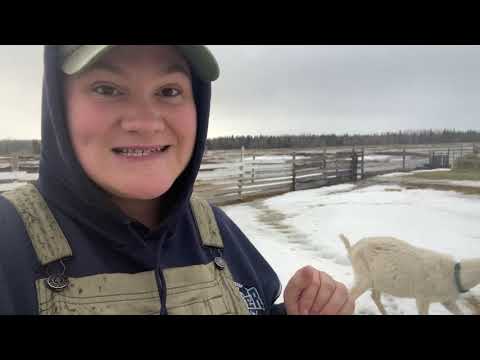
TL;DR: Successful goat kidding season hinges on meticulous preparation, focusing on proper nutrition, parasite control, and a suitable environment for the does.
- Optimize nutrition for rapid fetal growth.
- Implement strategic parasite management.
- Ensure a safe kidding environment.
- Vaccinate does preseason.
- Monitor individual doe's condition closely.
Why it matters: Effective pre-kidding preparation directly impacts the health of both the mother and offspring, influencing milk production and overall herd vitality.
Do this next: Assess your pregnant does' nutritional intake and adjust as needed, focusing on increased energy and protein.
Recommended for: Goat farmers, homesteaders, and livestock managers seeking to improve their kidding season outcomes.
As the kidding season approaches, ensuring the health and well-being of the goat herd, particularly the does, is paramount for a successful outcome. A comprehensive preparation strategy involves several key areas: nutrition, parasite management, vaccination, and creating a safe and comfortable kidding environment.
Nutrition plays a critical role, especially in the last trimester of pregnancy when the fetuses experience rapid growth. During this period, the does' energy and protein requirements significantly increase. Inadequate nutrition can lead to several complications, including pregnancy toxemia, weak kids, and reduced milk production. To address this, it's recommended to gradually increase the does' feed intake, supplementing their diet with high-quality hay, alfalfa, and grain. The specific amount of grain should be tailored to the individual doe's condition, breed, and the number of fetuses she is carrying, as determined by an ultrasound. Overfeeding can lead to excessively large kids, making delivery difficult, while underfeeding can result in small, weak kids. Access to a mineral supplement specifically formulated for goats is also crucial, as deficiencies in essential minerals can impact both the doe and her offspring. Fresh, clean water must always be available.
Parasite management is another critical component of pre-kidding preparation. Pregnant does are often more susceptible to internal parasites due to the stress on their immune systems. A strategic deworming program should be implemented, ideally a few weeks before the anticipated kidding date. However, it's important to consult with a veterinarian to determine the most effective dewormer and to avoid those that are not safe for pregnant animals. Fecal egg counts can help identify the specific types of parasites present and guide the choice of dewormer, minimizing the development of drug resistance. External parasites, such as lice and mites, should also be addressed, as they can cause discomfort and stress, further weakening the does.
Vaccination is essential for protecting both the does and their future offspring from common diseases. A core vaccination program typically includes protection against Clostridium perfringens types C and D and tetanus (CD&T). Administering a booster shot to pregnant does approximately 3-4 weeks before kidding allows them to pass on protective antibodies to their kids through colostrum, providing passive immunity during their vulnerable early weeks of life. Other vaccinations may be necessary depending on regional disease prevalence and the specific risks identified by a veterinarian.
Finally, preparing the kidding environment is crucial for a smooth and stress-free delivery. A clean, dry, and draft-free kidding pen should be set up well in advance. This pen should be easily accessible for monitoring and intervention if needed. Adequate bedding, such as straw or wood shavings, should be provided to ensure comfort and absorb moisture. Essential supplies for kidding, including clean towels, iodine for umbilical cord care, gloves, and a birthing kit, should be readily available. It's also beneficial to have a heat lamp on hand for cold weather, especially for weak or premature kids. Familiarizing oneself with the signs of labor and normal kidding progression is important, as is knowing when to call for veterinary assistance in case of complications. Separating does close to kidding from the main herd can reduce stress and prevent interference from other goats during delivery.
Source: youtube.com
Related Analysis
- Farmers Convert Six Weeks of Rhubarb Into 25-Year Supply — Initial signals suggest a rhubarb preservation technique can extend a brief seasonal harvest into 25 years of storage—a …
- Compost Builds Soil Microbiomes—But Human Waste Divides Practitioners — A small but consistent set of signals indicates composting's soil benefits are well-documented, while human-waste compos…
Related on PermaNews
- Hydroponic Green Fodder: Saving Livestock in Hard Times (Video)
- Everflow: Winter Watering Solved for Homestead Livestock (Video)
- Hühnerglück: Warum Picken für Hennen so wichtig ist (Video)
- Homestead Winter: 14 Daily Tips for Cold Weather Success (Video)
- Frozen Coop Door: Permaculture Winter Challenge (Video)
- Winter Chickens: Warmth, Food & Water Strategies (Video)
Explore more in Food Systems & Growing — the full hub for this knowledge area.