Frozen Coop Door: Permaculture Winter Challenge
By Permaculture facile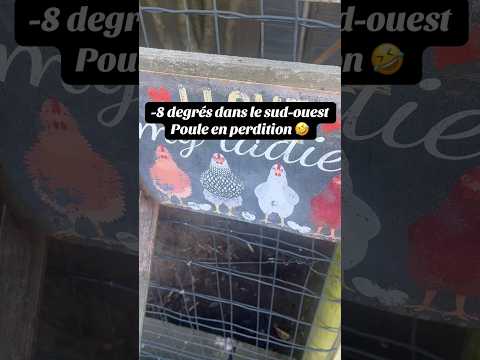
TL;DR: Icy weather can freeze chicken coop doors shut, requiring careful unbinding to free birds and prevent structural damage.
- Icy conditions can lock coop doors.
- Avoid warm water on frozen wood.
- Use leverage to gently chip ice.
- Patience prevents coop damage.
- Regular checks prevent stuck doors.
Why it matters: Iced chicken coop doors are a common winter problem, delaying bird release and potentially damaging coop infrastructure if mishandled.
Do this next: Inspect your chicken coop door and frame for vulnerabilities to ice, considering materials and gaps.
Recommended for: New and experienced permaculturists facing winter challenges with animal housing.
The article describes a common challenge faced by those practicing permaculture, particularly during colder periods: a frozen chicken coop door. The author recounts a morning where, upon attempting to open the coop, they discovered the door was firmly stuck due to ice. This situation highlights the practical difficulties that can arise when integrating animal husbandry into a permaculture system, especially in climates prone to freezing temperatures.
The narrative details the initial frustration of encountering the frozen door. The author explains that the coop's design, while generally effective, had a vulnerability to ice formation. The door, likely made of wood or metal, had expanded or contracted, and moisture had seeped into the gaps around the frame, freezing solid overnight. This created a strong bond between the door and its frame, rendering it immobile.
Several attempts were made to free the door. Initially, gentle pressure was applied, but it quickly became apparent that more forceful methods would be required. The author considered various approaches, such as pouring warm water over the frozen areas, but dismissed this due to the risk of the water refreezing and exacerbating the problem, or potentially damaging the wood. The immediate concern was to release the chickens, who were likely eager to begin their day foraging.
The solution ultimately involved a combination of careful leverage and the application of a blunt tool to gently chip away at the ice. The author describes using a small, sturdy implement, possibly a trowel or a piece of wood, to tap along the edges of the door frame where the ice was most concentrated. This methodical approach aimed to break the ice seal without causing damage to the coop structure. The process required patience and a degree of finesse to avoid splintering the wood or bending any metal components.
As the ice began to crack and loosen, the door gradually started to yield. The author emphasizes the importance of working slowly and deliberately to prevent further issues. Eventually, with persistent effort, the door was successfully opened, allowing the chickens to emerge.
This incident serves as a practical lesson in permaculture design and maintenance. It underscores the need to anticipate and mitigate potential problems related to environmental conditions. For instance, future considerations for the chicken coop might include insulating the door frame, applying a water-repellent sealant to the wood, or designing a door mechanism that is less susceptible to freezing. Another possibility could be installing a small, low-wattage heat source near the door during extreme cold snaps, though this would need to be balanced against energy consumption and safety.
The experience also highlights the resilience and adaptability required in permaculture. Rather than being deterred by the setback, the author approached the problem with a practical, problem-solving mindset. It reinforces the idea that permaculture is not just about theoretical principles but also about hands-on engagement and continuous learning from real-world challenges. The frozen door, while a minor inconvenience, provided valuable insights into improving the functionality and robustness of the chicken coop within the broader permaculture system.
Source: youtube.com
Related Analysis
- Homeowners Retrofit Properties with Renewable Energy Solutions — Renewable energy retrofitting gains traction as regenerative agriculture principles inform home upgrades. Experts point …
- New Practices Build Climate-Resilient Cob Homes — Cob construction emerges as a key strategy in enhancing resilience against ecological challenges in permaculture systems…
Related on PermaNews
- Hydroponic Green Fodder: Saving Livestock in Hard Times (Video)
- Everflow: Winter Watering Solved for Homestead Livestock (Video)
- Goat Kidding Prep: Essential Tips for a Healthy Season (Video)
- Optimal Chicken Coop Dimensions for Your Garden (Video)
- FiBL: Bio-Landbau Summer School & Praxis-Trainings 2026 (Event)
- Permakultur: Tierhaltung nachhaltig meistern – 3-Tages-Workshop (Event)
Explore more in Shelter, Energy & Infrastructure — the full hub for this knowledge area.