Arctic Prep: Chicken Run Winterization for Extreme Cold
By EdibleAcres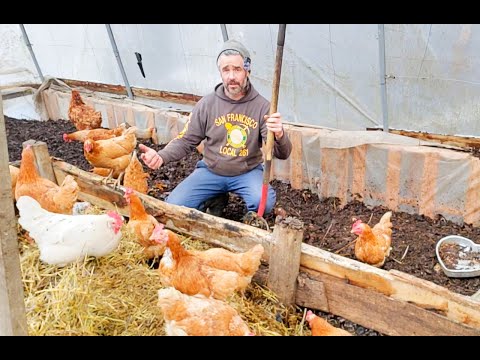
TL;DR: Preparing your chicken coop for winter is essential to protect your flock from extreme cold, focusing on frostbite prevention, insulation, and ventilation.
- Protect combs and wattles from frostbite with petroleum jelly.
- Insulate coop walls, ceiling, and floor to retain heat.
- Ensure adequate ventilation to prevent ammonia and moisture buildup.
- Provide wide roosting bars for foot protection.
- Use deep bedding for warmth and waste absorption.
Why it matters: Proper winterization of chicken coops directly impacts the health and productivity of your flock, preventing cold-related illnesses and stress.
Do this next: Apply petroleum jelly to your chickens' combs and wattles before extreme cold arrives.
Recommended for: Backyard chicken keepers in cold climates looking for practical advice on winterizing their coops.
As winter approaches with the threat of extremely low temperatures, preparing a chicken coop to ensure the flock's safety and well-being becomes a priority. The primary goal is to create an environment where chickens can thrive even when outdoor conditions are harsh, focusing on protection from the cold, adequate ventilation, and access to essential resources.
One of the most critical aspects of winterizing a chicken coop is preventing frostbite, particularly on combs and wattles. While chickens are generally resilient to cold, their exposed fleshy parts are vulnerable. Applying a protective layer, such as petroleum jelly, to these areas can create a barrier against the cold and wind, significantly reducing the risk of frostbite. This simple measure can be a lifesaver during prolonged periods of sub-zero temperatures.
Insulation plays a vital role in maintaining a stable internal temperature within the coop. Adding extra insulation to the walls, ceiling, and even the floor can help retain the chickens' body heat and block out the external cold. Materials like straw bales, rigid foam insulation, or even thick layers of cardboard can be effective. The aim is to create a well-sealed enclosure that minimizes heat loss without compromising air quality.
Ventilation, often overlooked in the quest for warmth, is equally important. While sealing the coop to keep heat in, it's crucial to ensure there's still adequate airflow to prevent the buildup of ammonia and moisture. Poor ventilation can lead to respiratory issues and create a damp environment, which exacerbates the feeling of cold. High vents that allow stale, warm air to escape while drawing in fresh, cold air without creating drafts at chicken level are ideal. This helps maintain good air quality and a drier coop.
Another consideration is the coop's interior setup. Roosting bars should be wide enough for chickens to cover their feet with their feathers, preventing frostbite on their toes. Providing ample bedding, such as straw or wood shavings, on the coop floor offers additional insulation and a comfortable place for chickens to scratch and dust bathe. The deep litter method, where bedding is allowed to accumulate and decompose, can also generate a small amount of heat through microbial activity, further contributing to the coop's warmth.
Access to unfrozen water is non-negotiable. Chickens need constant access to fresh water to stay hydrated and maintain their body temperature. During freezing conditions, waterers can quickly turn into blocks of ice. Heated waterers or DIY solutions, such as placing a hot water bottle under a waterer, can prevent freezing. Regularly checking and refilling waterers with warm water throughout the day is also essential.
Nutrition also plays a role in cold weather preparedness. Chickens expend more energy to stay warm, so ensuring they have access to high-quality feed, possibly supplemented with cracked corn or other energy-rich grains in the evening, can help them maintain their body fat reserves and generate internal heat overnight.
Finally, monitoring the flock's behavior is key. Chickens huddling together, standing hunched, or showing signs of lethargy can indicate they are too cold. Adjustments to the coop's environment or providing supplemental heat, such as a radiant heater designed for coops (used with extreme caution to prevent fire hazards), might be necessary in extreme conditions. However, relying on artificial heat sources should be a last resort, as chickens can become dependent on them and suffer if the power goes out. The primary focus should always be on passive methods that empower chickens to stay warm naturally.
Source: youtube.com
Related Analysis
- Homeowners Retrofit Properties with Renewable Energy Solutions — Renewable energy retrofitting gains traction as regenerative agriculture principles inform home upgrades. Experts point …
- New Practices Build Climate-Resilient Cob Homes — Cob construction emerges as a key strategy in enhancing resilience against ecological challenges in permaculture systems…
Related on PermaNews
- Supercharged Chicken Tractor for Permaculture Soil Health (Video)
- Winter Chicken Paradise: Snow Doesn't Stop Happy Hens (Video)
- Winter Chickens: Warmth, Food & Water Strategies (Video)
- 10 Chicken Coop Essentials: Simplify Your Backyard Flock Care (Article)
- Winter Egg Harvest: Backyard Chickens, Not Stores (Video)
- Optimal Chicken Coop Dimensions for Your Garden (Video)
Explore more in Shelter, Energy & Infrastructure — the full hub for this knowledge area.