Winter Chicken Paradise: Snow Doesn't Stop Happy Hens
By Justin Rhodes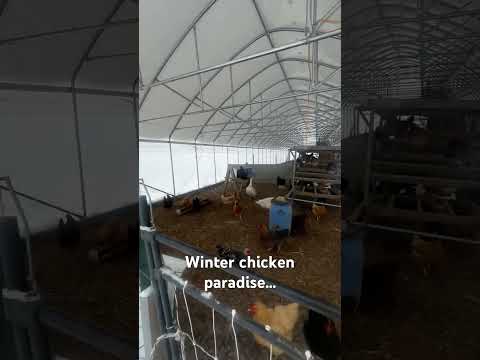
TL;DR: Chickens can thrive in winter conditions with proper care, including insulated coops, unfrozen water, and increased caloric intake.
- Winterizing coops prevents illness and frostbite.
- Heated waterers are essential for hydration.
- Increased feed provides necessary winter energy.
- Deep litter methods add warmth and insulation.
- Enrichment is crucial for winter well-being.
Why it matters: Implementing these strategies ensures your flock remains healthy and productive through colder months, aligning with permaculture principles of animal welfare.
Do this next: Watch the full video for a comprehensive guide to winter chicken care.
Recommended for: Backyard chicken keepers and homesteaders looking to optimize their flock's well-being during colder months.
Even with snow on the ground, chickens can thrive outdoors during winter months if provided with appropriate care and a suitable environment. The key to their well-being lies in creating a "winter chicken paradise" that addresses their fundamental needs for shelter, food, water, and enrichment.
One crucial aspect is ensuring adequate protection from the elements. While chickens are surprisingly resilient to cold, especially if they are cold-hardy breeds, they still require a coop that is draft-free but well-ventilated. Proper ventilation prevents the buildup of ammonia and moisture, which can lead to respiratory issues and frostbite. The coop should be insulated to retain warmth, and a deep litter method can further contribute to insulation and warmth generation through decomposition. This involves adding layers of carbon-rich materials like wood shavings or straw, allowing them to break down over time, which releases heat.
Access to unfrozen water is paramount. Chickens need constant hydration, and in freezing temperatures, water sources can quickly turn to ice. Heated waterers are an excellent solution, or at the very least, water should be checked and replenished multiple times a day. Electrolytes can also be added to the water to provide an extra boost during stressful cold periods.
Nutrition also plays a significant role in winter chicken care. Chickens expend more energy to stay warm, so their caloric intake needs to be higher. Providing a good quality, high-protein feed is essential. Additionally, offering scratch grains in the afternoon can help them generate internal heat as they digest the grains overnight. Supplementing their diet with nutrient-rich scraps and fermented grains can further enhance their health and resilience.
Beyond the basics, enriching their environment is vital for their mental and physical health. Even in winter, chickens enjoy foraging and scratching. Creating a sheltered outdoor run, perhaps covered with a tarp or greenhouse plastic, can provide a space where they can still engage in natural behaviors without being directly exposed to harsh winds or heavy snow. Spreading hay or straw in the run can offer opportunities for scratching and bug hunting, even if the ground beneath is frozen. Providing perches at various heights within the coop and run allows them to roost off the cold ground and engage in natural perching behaviors.
Foraging opportunities can be enhanced by hanging cabbage or other vegetables for them to peck at, or by scattering treats in the deep litter, encouraging them to scratch and turn the bedding. This not only provides entertainment but also helps aerate the litter, contributing to the decomposition process.
Regular health checks are also important. Owners should routinely inspect their chickens for signs of frostbite, particularly on combs and wattles, and for any other indicators of illness or distress. Providing a dust bath area, even if it's just a container of sand or dry soil in a sheltered spot, allows them to maintain their feather health.
In essence, creating a "winter chicken paradise" is about proactive management and thoughtful design. It involves understanding the specific needs of chickens in cold weather and implementing strategies to meet those needs comprehensively, ensuring they remain healthy, active, and productive throughout the colder months. This holistic approach allows chickens to not just survive, but truly thrive, even when snow blankets the landscape.
Source: youtube.com
Related Analysis
- Farmers Convert Six Weeks of Rhubarb Into 25-Year Supply — Initial signals suggest a rhubarb preservation technique can extend a brief seasonal harvest into 25 years of storage—a …
- Compost Builds Soil Microbiomes—But Human Waste Divides Practitioners — A small but consistent set of signals indicates composting's soil benefits are well-documented, while human-waste compos…
Related on PermaNews
- Ernst Götsch's Cacao Syntropy: Master Agroforestry Now (How-To Guide)
- Finnish Off-Grid: Rocket Mass Heater Performance in Greenhouse (Case Study)
- Berlins schwimmende Gärten: Permakultur auf dem Wasser (Case Study)
- Rodale Report 2025: Thermal Mass Boost in Solar Greenhouses (Case Study)
- AUTarcaMatricultura La Palma: Permakultur & Energieautarkie (How-To Guide)
- Earthaven Ecovillage: 30 Years Off-Grid with Hydro & Solar (Video)
Explore more in Food Systems & Growing — the full hub for this knowledge area.