Oaxaca's Xerophytic Wonders: Giant Cacti & Agave oteroi
By Crime Pays But Botany Doesn't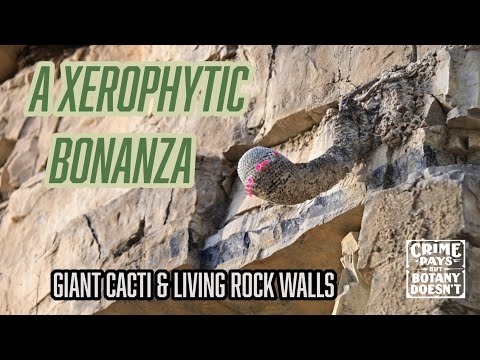
This article describes a journey through the arid landscapes of Oaxaca, Mexico, highlighting the region's remarkable xerophytic flora, particularly its giant cacti, unique rock formations, and the distinctive *Agave oteroi*. The narrative emphasizes the ecological adaptations of these plants to their challenging environment and the visual spectacle they create.
The journey begins with an exploration of the dry forests and scrublands, characterized by a diverse array of succulents and cacti. The author notes the prevalence of columnar cacti, some reaching impressive heights, forming natural architectural elements in the landscape. These towering plants are not merely decorative; they play a crucial ecological role, providing habitat and food sources for various desert creatures. The article details how these cacti have evolved specialized structures, such as thick waxy cuticles and ribbed stems, to minimize water loss and maximize water storage, essential for survival in an environment with infrequent rainfall.
A significant focus is placed on the "living rock walls," a term used to describe natural rock formations that are densely colonized by a multitude of xerophytic plants. These walls are not just geological features but vibrant ecosystems where plants cling to crevices and ledges, drawing moisture and nutrients from the rock itself and the sparse rainfall. The article describes how various species of succulents, bromeliads, and small cacti create intricate tapestries on these surfaces, showcasing the resilience and adaptability of life in extreme conditions. The visual impact of these living walls is emphasized, portraying them as natural works of art, constantly evolving with the seasons and the growth cycles of their inhabitants.
The narrative then shifts to a specific highlight: the *Agave oteroi*. This particular agave species is presented as a significant find, distinguished by its unique morphological characteristics. The article describes its rosette form, leaf structure, and inflorescence, noting any distinctive features that set it apart from other agave species. The ecological niche of *Agave oteroi* within the Oaxacan landscape is also explored, including its preferred growing conditions and its interactions with other plant and animal species. The author conveys a sense of discovery and appreciation for this specific plant, underscoring its botanical significance.
Throughout the account, the author conveys a deep appreciation for the natural beauty and ecological complexity of the Oaxacan desert. The harshness of the environment is contrasted with the vibrant life it supports, illustrating the intricate balance of nature. The article implicitly touches upon themes of biodiversity and conservation, as these unique ecosystems are often vulnerable to environmental changes and human impact. The detailed descriptions of the plant life and geological features aim to transport the reader to this unique region, fostering an understanding of its ecological value. The overall tone is one of wonder and respect for the natural world, highlighting the extraordinary adaptations that allow life to thrive in seemingly inhospitable conditions.
Source: youtube.com
Related Analysis
- Farmers Convert Six Weeks of Rhubarb Into 25-Year Supply — Initial signals suggest a rhubarb preservation technique can extend a brief seasonal harvest into 25 years of storage—a …
- Compost Builds Soil Microbiomes—But Human Waste Divides Practitioners — A small but consistent set of signals indicates composting's soil benefits are well-documented, while human-waste compos…
Related on PermaNews
Explore more in Food Systems & Growing — the full hub for this knowledge area.