Oaxaca's Green Bottle Tree: A Botanical Marvel
By Crime Pays But Botany Doesn't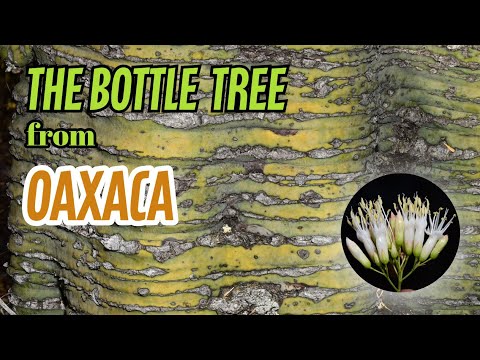
The Green Bottle Tree, a distinctive plant originating from Oaxaca, Mexico, presents a fascinating case study in botanical adaptation and cultural significance. This tree, scientifically known as *Pachira aquatica*, though often confused with other bottle trees, is particularly noteworthy for its unique characteristics and its role within its native ecosystem and human communities.
One of the most striking features of the Green Bottle Tree is its swollen, bottle-shaped trunk. This adaptation serves a crucial purpose in its natural habitat, allowing the tree to store water during periods of drought. This water storage capacity is vital for its survival in regions that experience fluctuating rainfall patterns. The bark of the trunk is typically smooth and green, contributing to its common name and providing an additional photosynthetic surface, which is an unusual trait for a tree of its size.
The leaves of the Green Bottle Tree are palmate, meaning they are composed of several leaflets radiating from a central point, similar to the fingers of a hand. These leaves are a vibrant green, contributing to the tree's lush appearance. The tree produces large, showy flowers that are often white or cream-colored, with numerous stamens that give them a fluffy, brush-like appearance. These flowers are typically nocturnal, opening at night to attract pollinators such as bats and moths. The pollination process is essential for the tree's reproduction, leading to the development of its distinctive fruit.
The fruit of the Green Bottle Tree is a large, woody capsule that, upon ripening, splits open to reveal numerous seeds. These seeds are edible and are often consumed roasted or ground into flour in their native regions. They are rich in nutrients, including protein and healthy fats, and have been a traditional food source for indigenous populations for centuries. The edibility of the seeds highlights the tree's practical value beyond its ornamental appeal.
Ecologically, the Green Bottle Tree plays a significant role in its environment. Its extensive root system helps to stabilize soil, preventing erosion, particularly in riparian zones where it often grows. The tree provides habitat and food for various wildlife species, including insects, birds, and mammals. Its presence contributes to the biodiversity of the Oaxacan ecosystem, supporting a complex web of life.
Culturally, the Green Bottle Tree holds importance for the people of Oaxaca. Beyond its use as a food source, the tree's wood has been traditionally used for various purposes, though its primary value often lies in its fruit and its ecological services. Its distinctive appearance has also made it a subject of local folklore and traditional knowledge, reflecting a deep connection between the community and its natural surroundings.
In recent times, the Green Bottle Tree has gained popularity as an ornamental plant in other parts of the world, particularly in tropical and subtropical regions. Its unique form, attractive foliage, and relatively easy care make it a desirable choice for landscaping and even as an indoor plant when young. This global spread, however, also brings considerations regarding its appropriate cultivation and potential ecological impacts outside its native range.
Understanding the Green Bottle Tree from Oaxaca involves appreciating its botanical adaptations, its ecological contributions, and its cultural significance. Its ability to store water, its edible seeds, and its role in supporting biodiversity all underscore its importance as a valuable species originating from a region known for its rich flora and fauna.
Source: youtube.com
Related Analysis
- Farmers Convert Six Weeks of Rhubarb Into 25-Year Supply — Initial signals suggest a rhubarb preservation technique can extend a brief seasonal harvest into 25 years of storage—a …
- Compost Builds Soil Microbiomes—But Human Waste Divides Practitioners — A small but consistent set of signals indicates composting's soil benefits are well-documented, while human-waste compos…
Related on PermaNews
Explore more in Food Systems & Growing — the full hub for this knowledge area.