Nature's Allies: Nurseries Embrace IPM for Pest Control
By ABC Australia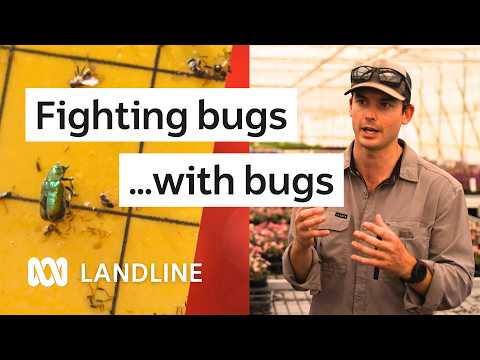
PermaNews Brief
Key Takeaways
Nurseries and farms are adopting Integrated Pest Management, using beneficial insects to control pests and reduce reliance on chemical pesticides.
- IPM minimizes chemical harm to non-target species and reduces residue.
- Beneficial bugs and drone technology aid pest control on farms.
- IPM integrates biological, cultural, physical, and chemical tools.
- Continuous monitoring and education are vital for effective IPM.
- IPM aligns with environmental stewardship and sustainable agriculture.
Why It Matters
Implementing Integrated Pest Management reduces environmental impact by minimizing pesticide use and promoting beneficial biodiversity in agricultural systems.
What to Do Next
Watch the video to learn more about specific IPM applications in nurseries and on farms.
Recommended for: Farmers, nursery operators, and gardeners interested in sustainable pest control methods and reducing chemical use.
This video from ABC Australia, released on November 26, 2025, explores the application of Integrated Pest Management (IPM) in nurseries and farms, focusing on reducing chemical pesticide use by employing beneficial insects as natural pest control agents. It features growers, farmers, and entomologists who practice IPM, highlighting innovative methods such as the use of beneficial bugs and drone technology on avocado farms. The video emphasizes the environmental benefits of IPM, including minimizing harm to non-target species and reducing chemical residues in the environment. It also discusses challenges faced when adopting IPM on large-scale farms, such as the need for continuous monitoring, scouting, and education to effectively manage pest populations. The piece illustrates how IPM integrates biological, cultural, physical, and chemical tools to sustainably manage pests, aligning with broader goals of environmental stewardship and sustainable agriculture.
Source: youtube.com
Related Analysis
- High-Salt Fertilizers Block Soil Microbes, Kempf Says — High-salt fertilizers disrupt soil microbes and microbial colonization, trapping farmers in chemical dependency. Biologi…
- Fertilizer Shortage Forces Reckoning on Nitrogen Sources — Fertilizer supply crisis drives farms toward nitrogen-fixing cover crops, compost, and legume rotations as alternatives.
Related on PermaNews
- Ernst Götsch's Cacao Syntropy: Master Agroforestry Now (How-To Guide)
- Designing Regenerative Resilience: Participatory Living Labs (How-To Guide)
- Lo—TEK: Indigenous Tech for Climate Solutions (Article)
- Nakivale's Regenerative Toilets: Refugee Resilience, Circular Sanitation (Case Study)
- Pippin Home Designs: Regenerative Home Design Explained (How-To Guide)
- Federal Policy Shift: Native Regenerative Ag for Soil & Carbon (Article)
Explore more in Food Systems & Growing — the full hub for this knowledge area.