Farm Life Resumes: Freezing Pants & New Year Routines
By Roots and Refuge Farm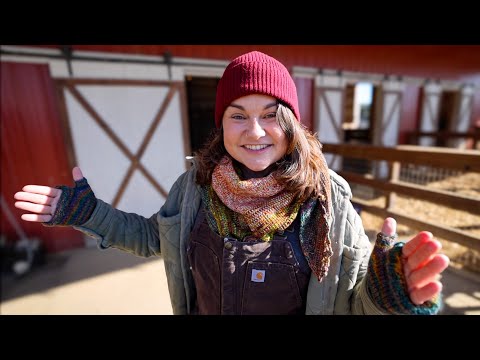
PermaNews Brief
Key Takeaways
Winter on a permaculture farm demands resilience, detailing frozen pipe thawing, animal care in severe cold, and continuous planning for the next growing season amidst daily routines.
- Farm life returns to structured demands after holidays.
- Severe cold causes practical challenges like frozen pipes.
- Thawing pipes requires patience and specific tools.
- Animals need extra care during extreme cold.
- Winter is for planning next growing season tasks.
Why It Matters
Understanding the year-round demands of permaculture, especially during challenging seasons, provides a realistic view of sustainable living and preparedness for climate extremes.
What to Do Next
Assess your own winter preparedness for potential frozen pipes and animal care.
Recommended for: Anyone interested in the practicalities and challenges of permaculture farming in cold climates, or those seeking insight into year-round farm management.
The video chronicles the transition from the festive holiday period back into the regular rhythm of farm life, emphasizing the shift from a relaxed schedule to the structured demands of daily routines, including homeschooling and farm chores. This period is characterized by a re-establishment of established patterns and responsibilities.
A significant portion of the content details the severe cold weather conditions experienced on the farm. Temperatures have dropped considerably, leading to practical challenges such as frozen pipes. The presenter illustrates the process of thawing these pipes, which involves using a heat gun and carefully monitoring water flow. This task is presented as a recurring issue during intense cold spells, demanding patience and persistence. The impact of the cold extends beyond the plumbing system, affecting the farm animals and necessitating additional care to ensure their well-being. This includes providing extra bedding and closely observing the animals for any signs of distress caused by the low temperatures.
Despite the difficulties presented by the cold weather, an underlying theme of resilience and adaptability is evident. The presenter shares a humorous anecdote about a pair of pants freezing solid outdoors, which serves to vividly illustrate the intensity of the cold while also injecting a touch of everyday life into the narrative. This lighthearted moment underscores the extreme conditions in a relatable way.
The video also touches upon the ongoing processes of planning and preparation for the upcoming growing season. Even during the depths of winter, the work on a permaculture farm continues with a focus on future harvests. This includes discussions about starting seeds, designing garden layouts, and other preparatory tasks. The presenter highlights the cyclical nature of farm work, where the conclusion of one season seamlessly transitions into the planning for the next. This forward-thinking approach is a fundamental aspect of permaculture, aiming to ensure long-term productivity and sustainability.
Furthermore, the content delves into the daily routines of farm life, which encompass a broad spectrum of responsibilities. These include animal care, such as feeding and watering, as well as household management and homeschooling. The presenter emphasizes the constant balancing act required to manage these duties, highlighting the dedication necessary to maintain both a functioning farm and household. The integration of homeschooling into the daily farm schedule is presented as a natural extension of their lifestyle, offering practical learning experiences.
The narrative also incorporates reflections on personal well-being and the importance of finding contentment in ordinary moments. The presenter shares insights into managing the demands of farm life while also prioritizing family time and personal development. This holistic approach aligns with permaculture principles, which advocate for the well-being of both the land and the people connected to it. The video concludes with an forward-looking perspective, acknowledging current challenges while maintaining an optimistic outlook for the future of the farm and its endeavors. The overall tone is one of grounded realism, balanced with a hopeful perspective for the year ahead.
Source: youtube.com
Related Analysis
- Permaculture Sites Bypass Backlinks to Win AI Citations — A small cluster of signals indicates AI citation logic diverges sharply from SEO rules, with hallucinated URLs creating …
- Stacking Functions Emerges as Key to Resilience Practices — Emerging evidence shows stacking functions enhances community resilience through interlinked systems focused on efficien…
Related on PermaNews
- Traditional Skills: Modern Relevance + Farm Updates (Video)
- Automate Chicken Water: End Daily Chore Hassles (Video)
- Roots & Refuge: Farm Life, Death & Lessons from Loss (Video)
- Roots & Refuge: Open Hands, See You Next Year (Video)
- Homestead Mom: Teaching, Not Failing! #selfsufficienttanya (Video)
- Homeschool Journey: Our "Why" & Lessons Learned (Ep 24) (Podcast)
Explore more in Skills, Preparedness & Self-Reliance — the full hub for this knowledge area.