Roots & Refuge: Open Hands, See You Next Year
By Roots and Refuge Farm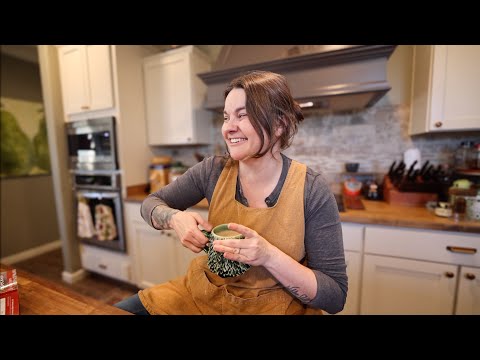
PermaNews Brief
Key Takeaways
Embrace natural cycles in farming and life by releasing control and adapting to new opportunities with an "open hands" approach.
- Learn to recognize natural conclusions in projects and life.
- Avoid attachment to past achievements and routines.
- Embrace an "open hands" philosophy for new opportunities.
- Understand that endings are often new beginnings.
- Cultivate a long-term perspective in farming and life.
Why It Matters
Recognizing and adapting to cyclical changes in agriculture and personal endeavors is crucial for sustainable growth and emotional well-being, preventing burnout and fostering innovation.
What to Do Next
Reflect on a current project and identify if it is nearing a natural conclusion, then consider how you might adopt an "open hands" approach.
Recommended for: Anyone interested in a philosophical perspective on permaculture, embracing change, and understanding natural cycles in farming and life.
The article from Roots and Refuge Farm, titled "Open Hands (See you Next Year)," explores the conclusion of a significant phase in the farm's operations, focusing on themes of releasing control, adapting to change, and the inherent cyclical nature of both life and agricultural practices. The author conveys a sense of completion and a readiness to transition from one period to the next, drawing parallels to the natural end of a growing season. This sentiment is characterized not by sadness, but by a calm acceptance of past experiences and an anticipation of future developments.
The narrative underscores the importance of discerning when a particular project or timeframe has reached its natural conclusion. The author suggests that an excessive attachment to previous achievements or established routines can impede progress and obstruct the emergence of new opportunities. Instead, the article advocates for an "open hands" approach, symbolizing a willingness to relinquish control, release expectations, and permit the natural progression of events. This philosophical stance is deeply connected to permaculture principles, which frequently highlight observation, adaptability, and collaborating with natural systems rather than opposing them.
A central message conveyed is the understanding that conclusions are not necessarily definitive but frequently serve as precursors to new beginnings. The phrase "See you Next Year" encapsulates this idea, implying a temporary pause or a shift in focus rather than a permanent cessation. This perspective promotes a long-term outlook, where each season, each project, and each challenge contributes to a larger, continuous narrative of development and growth. The farm's journey is presented as an ongoing learning process, where insights gained from one cycle inform and enrich the subsequent one.
The article also delves into the emotional and spiritual dimensions of farming and homesteading. It acknowledges the profound personal investment involved in cultivating land and nurturing life, as well as the emotional weight that can accompany transitions. However, these feelings are framed within a broader context of gratitude and trust, suggesting that even in moments of letting go, there is an underlying belief in the future and in the intrinsic wisdom of natural processes. This spiritual aspect adds depth to the practical elements of farming, elevating it beyond mere labor to a more holistic way of life.
Furthermore, the piece implicitly discusses the concept of sustainability, not only in terms of ecological practices but also regarding the sustainability of personal energy and passion. Recognizing the necessity for rest, reflection, and rejuvenation is presented as crucial for sustained engagement in demanding pursuits like farming. The act of stepping back and allowing for a period of dormancy or reduced activity is viewed as essential for preventing burnout and fostering renewed vigor for future endeavors. This aligns with permaculture's emphasis on self-regulation and incorporating feedback.
In essence, "Open Hands (See you Next Year)" functions as a reflective commentary on the wisdom of embracing cycles, the power of releasing control, and the enduring hope for future growth. It encourages readers to adopt a similar mindset in their own lives, recognizing that every ending contains the potential for a new beginning, and that genuine progress often involves a willingness to let go of the old to make way for the new. The farm's experience serves as a metaphor for life's broader journey, characterized by continuous evolution and the promise of renewal.
Source: youtube.com
Related Analysis
- Does Growing Your Own Food Actually Save Money? The Real Numbers — Most home gardens save money by year two — but only if the right crops are planted. Herbs and salad greens deliver 5–10x…
- Regenerative Farmers Flip Cover Crop Logic From Compliance to Profit — Practitioner accounts and a new meta-analysis suggest cover cropping is being reframed from conservation practice to pro…
Related on PermaNews
- Ernst Götsch's Cacao Syntropy: Master Agroforestry Now (How-To Guide)
- Finnish Off-Grid: Rocket Mass Heater Performance in Greenhouse (Case Study)
- Berlins schwimmende Gärten: Permakultur auf dem Wasser (Case Study)
- Rodale Report 2025: Thermal Mass Boost in Solar Greenhouses (Case Study)
- AUTarcaMatricultura La Palma: Permakultur & Energieautarkie (How-To Guide)
- Earthaven Ecovillage: 30 Years Off-Grid with Hydro & Solar (Video)
Explore more in Food Systems & Growing — the full hub for this knowledge area.