GrowTree Organics' Multi-Tiered Zuni Bowl: Water Harvesting Design
By GrowTree Organics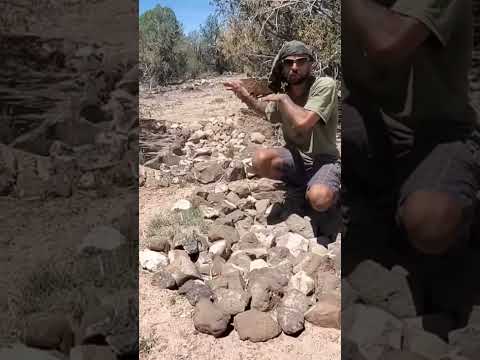
TL;DR: A multi-tiered Zuni Bowl design maximizes food production and water efficiency by mimicking natural contours for gravity-fed irrigation.
- Tiered beds optimize water distribution and nutrient cycling.
- Gravity-fed irrigation minimizes water loss and encourages deep roots.
- Construction uses local materials for retaining walls.
- Proper drainage prevents waterlogging in lower tiers.
- Inspired by traditional indigenous agricultural practices.
Why it matters: This design offers a resilient solution for growing food, especially in dry regions, by efficiently managing water resources and promoting robust plant growth.
Do this next: Watch the video to understand the construction and implementation details of a Zuni Bowl.
Recommended for: Gardeners, permaculture enthusiasts, and those in dry climates looking for efficient, sustainable food production systems.
The Zuni Bowl, a multi-tiered permaculture design, offers an innovative approach to maximizing food production and water efficiency in a relatively compact space. This system, developed by GrowTree Organics, draws inspiration from traditional indigenous agricultural practices, particularly those observed in arid and semi-arid regions, where water conservation is paramount. The core concept revolves around creating a series of concentric, terraced beds that mimic the natural contours of a landscape, allowing for efficient water distribution and nutrient cycling.
At its most basic level, a Zuni Bowl consists of several raised beds arranged in a circular or semi-circular pattern, with each subsequent tier being slightly lower than the one preceding it. This tiered structure is crucial for its hydraulic efficiency. When water is applied to the uppermost tier, it slowly percolates downwards, hydrating each successive level. This gravity-fed irrigation system minimizes water loss due to evaporation and runoff, ensuring that precious moisture is retained within the growing medium. The design also encourages deep root growth as plants naturally seek out the descending water, leading to more resilient and drought-tolerant crops.
The construction of a Zuni Bowl typically involves creating a central, highest point, which can be a small mound or a raised bed, and then building outwards and downwards in concentric rings. The materials used for the retaining walls of these tiers can vary widely, from natural stones and logs to recycled materials like bricks or concrete blocks. The choice of material often depends on local availability, aesthetic preferences, and the desired lifespan of the structure. Regardless of the material, proper drainage is essential to prevent waterlogging, especially in the lower tiers. This can be achieved by incorporating a layer of gravel or coarse sand at the base of each bed.
Beyond water efficiency, the multi-tiered design offers several other permaculture benefits. The varying heights and sun exposures of the different tiers create diverse microclimates within the system. This allows for the cultivation of a wider range of plants, as sun-loving species can be placed on the higher, more exposed tiers, while shade-tolerant plants can thrive on the lower, more sheltered levels. This diversity also contributes to increased biodiversity, attracting beneficial insects and pollinators, and creating a more robust and resilient ecosystem.
The Zuni Bowl also lends itself well to companion planting strategies. By carefully selecting plant combinations that benefit each other, such as those that deter pests or enhance nutrient uptake, the overall health and productivity of the system can be significantly improved. For example, aromatic herbs can be planted alongside vegetables to deter common garden pests, or nitrogen-fixing legumes can be integrated to enrich the soil for heavy feeders. The close proximity of different plant species in the tiered system facilitates these beneficial interactions.
Soil health is another critical aspect addressed by the Zuni Bowl design. The raised beds allow for the creation of rich, custom-blended growing mediums tailored to the specific needs of the plants. This often involves incorporating a high proportion of organic matter, such as compost, worm castings, and aged manures, which improves soil structure, water retention, and nutrient availability. The enclosed nature of the beds also helps to prevent soil erosion and compaction, maintaining a healthy environment for microbial life. Over time, the continuous addition of organic matter contributes to the development of a living soil food web, further enhancing the system's fertility.
Furthermore, the ergonomic design of the Zuni Bowl can make gardening more accessible and less physically demanding. The raised beds reduce the need for bending and kneeling, which can be particularly beneficial for individuals with mobility issues or those who prefer a more comfortable gardening experience. The compact nature of the design also means that a significant amount of food can be produced in a relatively small footprint, making it an ideal solution for urban gardens, small backyards, or community plots where space is limited.
In summary, the Zuni Bowl design from GrowTree Organics represents a holistic and efficient permaculture system. Its multi-tiered structure optimizes water use through gravity-fed irrigation
Source: youtube.com
Related Analysis
- Farms Build Resilience, Pivot to Regenerative Soil — New initiatives and analysis explicitly frame regenerative agriculture as a direct solution for climate resilience, focu…
- Federal Policy Pivots, Builds Indigenous Agriculture Frameworks — Federal policy trends are integrating Indigenous knowledge with soil science in regenerative agriculture, shifting polic…
Related on PermaNews
- Permaculture Visions: Online Training & Mentorship Since 1993 (How-To Guide)
- Montana Permaculture: 10,000-Gallon Drought-Proof Cistern Array (Case Study)
- Unwanted Water? We're Harvesting It! (Video)
- Half-Moon Method: Desert to Farmland Transformation (Article)
- Permaculture Homes: Why Aren't All Built This Way? (Video)
- harvesting water, in a desert, safely, from a polluted road (Video)
Explore more in Food Systems & Growing — the full hub for this knowledge area.