Permaculture Homes: Why Aren't All Built This Way?
By Morag Gamble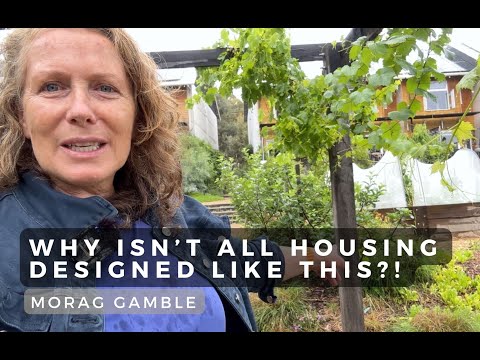
PermaNews Brief
Key Takeaways
Homes built using permaculture principles create sustainable, resilient, and healthy living spaces that benefit both inhabitants and the environment.
- Regenerative homes actively improve health of residents and environment.
- Focus on natural, local, non-toxic materials for construction.
- Passive solar design and natural ventilation significantly reduce energy use.
- Integrate edible landscapes and food forests for local food production.
- Consider the entire lifecycle of a home, from creation to decommissioning.
Why It Matters
Embracing permaculture design in housing offers a path to reduce environmental impact, improve well-being, and decrease reliance on external resources.
What to Do Next
Explore local suppliers for natural building materials like straw bales or rammed earth.
Recommended for: Homeowners, architects, and community planners interested in creating ecologically sound and resilient living environments.
The article explores the concept of designing homes and communities to be more sustainable, resilient, and integrated with natural systems, drawing inspiration from permaculture principles. It questions why conventional housing often falls short in these areas, highlighting the benefits of a more thoughtful approach to living spaces.
A central theme is the idea of a "regenerative home," which goes beyond simply being energy-efficient or eco-friendly. Instead, it actively contributes to the health of its inhabitants and the surrounding environment. This involves considering the entire lifecycle of a home, from the materials used in its construction to its ongoing operation and eventual decommissioning. The article emphasizes the importance of using natural, non-toxic, and locally sourced materials whenever possible, reducing the carbon footprint associated with transportation and manufacturing. Examples might include straw bale construction, rammed earth, or sustainably harvested timber, which also offer superior insulation and breathability compared to conventional materials.
The design of the home itself is crucial. The article advocates for passive solar design, where the building's orientation, window placement, and thermal mass are optimized to harness the sun's energy for heating in winter and minimize heat gain in summer. This significantly reduces reliance on artificial heating and cooling systems, leading to lower energy consumption and utility bills. Natural ventilation is another key element, utilizing prevailing winds and strategic openings to create comfortable indoor temperatures without mechanical assistance.
Beyond the structure, the article delves into the integration of the home with its immediate surroundings. It promotes the creation of edible landscapes and food forests around dwellings, transforming lawns into productive spaces that provide fresh produce, support biodiversity, and improve soil health. This reduces the need for external food sources, fosters a connection to nature, and can even contribute to a local food economy. Water management is also a significant focus, with suggestions for rainwater harvesting systems to collect and store water for irrigation and non-potable uses. Greywater recycling, where water from sinks and showers is treated and reused, is another practice highlighted for its potential to conserve this precious resource.
The concept extends to waste management, advocating for composting organic waste to enrich garden soil and reduce landfill contributions. The article also touches upon the importance of community design, suggesting that homes should be part of a larger, interconnected system. This could involve shared resources, communal gardens, and pedestrian-friendly layouts that encourage social interaction and reduce reliance on private vehicles. The emphasis is on creating resilient communities that can withstand environmental and economic shocks, fostering a sense of self-sufficiency and mutual support.
Ultimately, the article posits that a holistic approach to housing design, informed by permaculture ethics and principles, offers a path towards more sustainable, healthier, and fulfilling ways of living. It challenges the prevailing paradigm of resource-intensive, environmentally damaging housing and presents a vision for homes that are not just places to live, but active participants in a thriving ecosystem. The question "Why isn't all housing designed like this?" serves as a call to action, encouraging readers to reconsider their own living environments and advocate for more regenerative design practices.
Source: youtube.com
Related Analysis
- Off-Grid Builders Test Rocket Mass Heaters at -35°F — Early 2024 data from high-altitude and sub-zero builds indicate rocket mass heaters sustaining livable temperatures with…
- Homeowners Retrofit Properties with Renewable Energy Solutions — Renewable energy retrofitting gains traction as regenerative agriculture principles inform home upgrades. Experts point …
Related on PermaNews
- Permaculture Visions: Online Training & Mentorship Since 1993 (How-To Guide)
- Modular Root Cellar: Year-Round Food Security Design (How-To Guide)
- 20 Rainwater Harvesting Design Tips for Permaculture (Video)
- Designing Your Tropical Permaculture Homestead for Self-Sufficiency (How-To Guide)
- Permaculture Homes: Why Aren't All Houses This Sustainable? (Video)
- Observing Nature: Greenhouse B&B Permaculture Design (Case Study)
Explore more in Shelter, Energy & Infrastructure — the full hub for this knowledge area.