Modular Root Cellar: Year-Round Food Security Design
TL;DR: Design and build a modular root cellar for year-round food preservation using permaculture principles and resilient engineering.
- Modular root cellar design ensures year-round food security.
- Site selection requires soil percolation testing for drainage.
- Passive ventilation maintains optimal temperature and humidity.
- Clay-straw insulation provides R-20 value for thermal stability.
- Implement rodent-proofing and address condensation risks.
- Achieve 500 lbs storage capacity with minimal spoilage.
Why it matters: A well-designed root cellar can significantly extend the shelf life of your harvest, reducing food waste and increasing self-sufficiency, especially in challenging climates.
Do this next: Conduct a soil percolation test on your intended root cellar site to assess drainage.
Recommended for: Resilience engineers, permaculture practitioners, and homesteaders seeking robust, year-round food storage solutions.
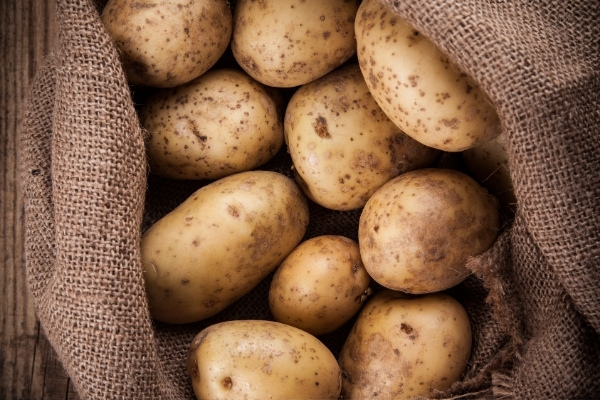
In-depth build log from a resilience engineer covers modular root cellar design for permaculture food forests. Site selection uses soil percolation tests (dig 12-inch hole, fill with 2 gallons water, measure drain time <30 min for ideal). Dimensions: 8x10x7 ft buried 4 ft deep. Passive ventilation applies Bernoulli principle with 4-inch PVC inlet (low) and outlet (high), sized for 10 air changes/hour, maintaining 32-40°F and 85-90% humidity. Insulation mixes local clay-straw (1:3 ratio, 12-inch walls R-20 value), rammed into forms. Door uses foam-core panels sealed with latex. Monitoring via hygrometers and thermistors logs 80% crop preservation (potatoes 6-8 months, carrots 4-5). 3-year data from harsh winters shows failure modes like condensation (mitigated by gravel drain 2% slope) and frost heave (anchor with rebar). Modular design allows expansion bays. Cost: $800 materials. Ties to permaculture via zoning near food forests, storing roots/apples. Step-by-step: excavate with backhoe, frame with 2x6 lumber, pour slab, backfill in 1-ft lifts compacting 95%. Sensor data graphs temp stability (±2°F). Practical details include shelving (2x4 slats, 2-inch gaps), ventilation caps for summer, and rodent-proofing with hardware cloth. Quantifiable outcomes: 500 lbs storage capacity, zero spoilage in roots during -20°F winters. Equips builders with calcs, materials, and operational data for reliable food security.
Source: practicalselfreliance.com
Related Analysis
- Homeowners Retrofit Properties with Renewable Energy Solutions — Renewable energy retrofitting gains traction as regenerative agriculture principles inform home upgrades. Experts point …
- New Practices Build Climate-Resilient Cob Homes — Cob construction emerges as a key strategy in enhancing resilience against ecological challenges in permaculture systems…
Related on PermaNews
- Permaculture Visions: Online Training & Mentorship Since 1993 (How-To Guide)
- Re - landscaping schools , corporate campuses into edible landscapes , for more information and to (Video)
- Re-Landscaping schools, corporate campuses into edible landscape (Video)
- How We Plant LESS…and Harvest MORE (Video)
- Rising Food Prices Makes Growing Your Food More Important Than Ever (Video)
- It's Priceless Eating What You Grow. We Grow Food In Containers On The Rocks All Year Round (Video)
Explore more in Shelter, Energy & Infrastructure — the full hub for this knowledge area.