Half-Moon Method: Desert to Farmland Transformation
PermaNews Brief
Key Takeaways
Ancient half-moon ditch irrigation, combined with syntropic farming, transforms arid land into fertile oases, boosts groundwater, and empowers communities.
- Half-moon ditches capture rainfall, turning deserts into farmland.
- Syntropic farming mimics natural forests for soil rejuvenation.
- One person can dig a ditch in a day; quick, low-tech solution.
- Method recharges groundwater by 10-15%, ensuring sustainability.
- Community engagement ensures balanced water use and local empowerment.
Why It Matters
This ancient and low-tech method offers a tangible solution to desertification and food insecurity, directly improving livelihoods and ecological health in vulnerable regions.
What to Do Next
Research local water harvesting techniques suitable for your regional climate and soil type.
Recommended for: Farmers, community leaders, and permaculture enthusiasts in arid or semi-arid regions seeking effective water management and ecological restoration techniques.
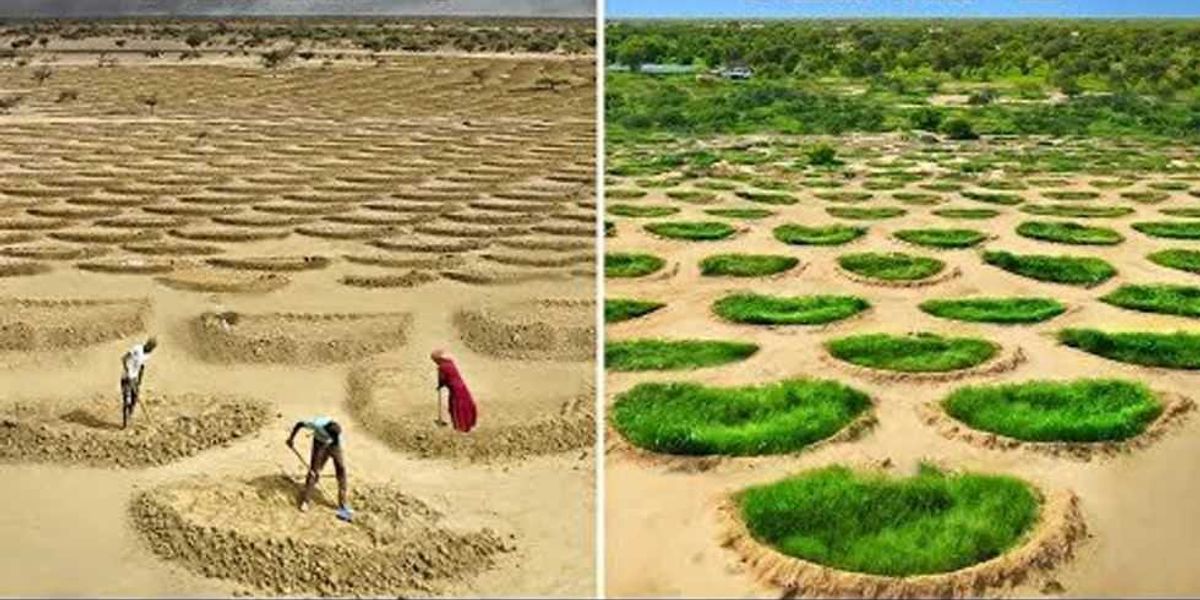
This article showcases the 'forgotten' half-moon method revitalizing deserts, particularly in the Sahel as part of the Great Green Wall. Half-moon-shaped ditches, 4 meters in diameter, are dug with water flowing into the straight side and an embankment on the curved side to retain it. One person can dig one in a day, allowing rainwater penetration into crusted soil for plant rooting. It captures water for immediate agriculture and recharges 10-15% of groundwater, ensuring sustainability. Combined with syntropic farming from Brazil, mimicking natural forests, it uses indigenous practices for soil rejuvenation. Horizontal beds grow okra and tomatoes, while trenches host fruit trees. Native species in pits protect and enrich soil, promoting abundance. The project engages local communities, balancing water use without depletion. It highlights global collaboration for local regreening, turning wastelands into productive oases and demonstrating scalable, low-tech solutions for climate resilience.
Source: upworthy.com
Related Analysis
- Designers Push Urban Standard From Sustainable to Regenerative — Early signals point to a push for urban design that actively restores ecosystems, not merely reduces harm — with field-t…
- Scrapped EV Batteries Convert to Solar Storage in Off-Grid Markets — Several sources suggest retired EV batteries are finding a second role in rural off-grid solar systems, potentially lowe…
Related on PermaNews
- Montana Permaculture: 10,000-Gallon Drought-Proof Cistern Array (Case Study)
- Unwanted Water? We're Harvesting It! (Video)
- Safely Harvesting Desert Water from Polluted Roads (Video)
- Ökodorf Brodowin: Trockenresistente Wassersysteme für Autarkie (Article)
- Oasis Design's 2025 Tanks: Urban Permaculture Water Resilience (How-To Guide)
- Chad's Sahel: Watershed Rain Capture Fights Desertification (Video)
Explore more in Water, Climate & Adaptation — the full hub for this knowledge area.