Rodale Institute: Hemp Cover Crop Crimping for Soil & Weeds
By Maura Beuttel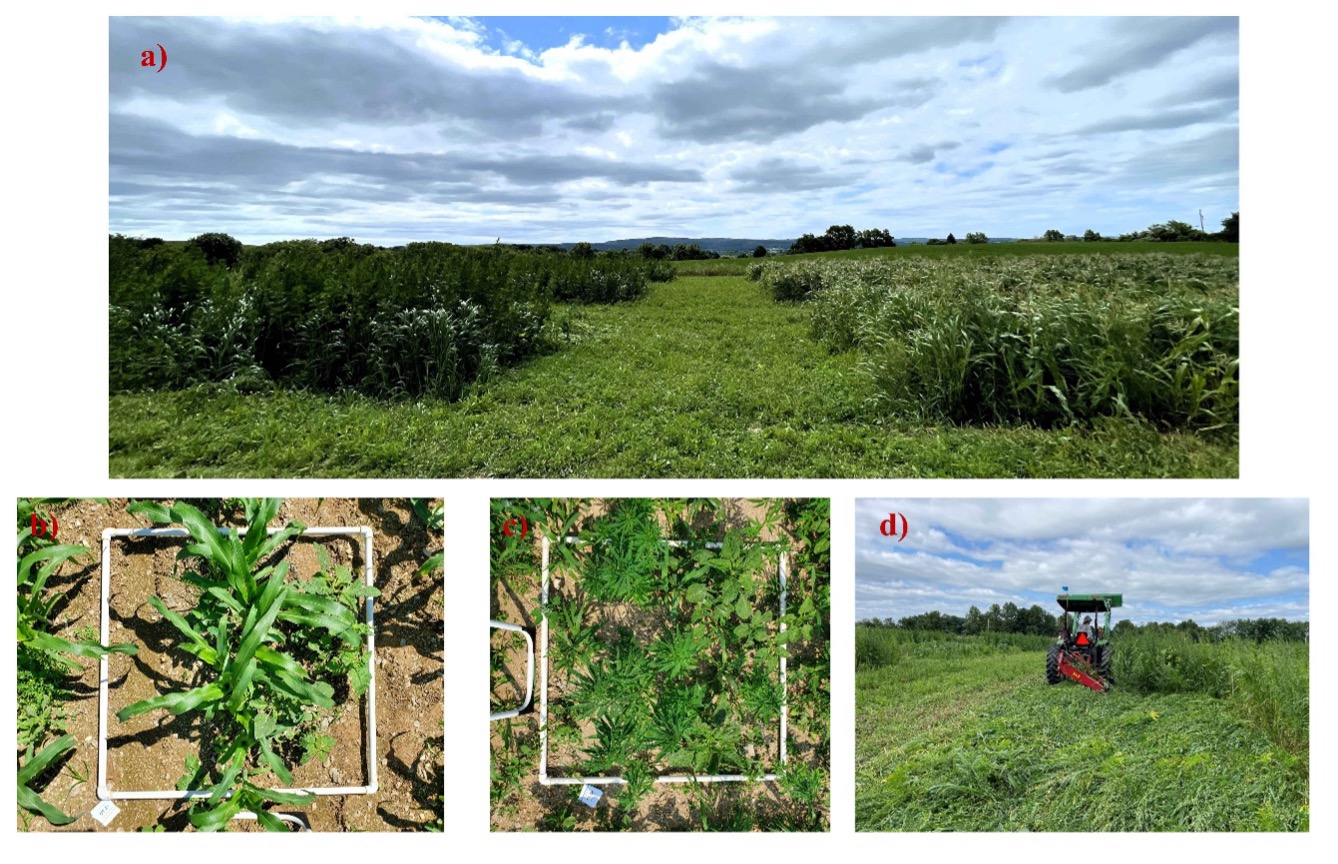
PermaNews Brief
Key Takeaways
Cover crop rolling and crimping can effectively suppress weeds and improve soil health in industrial hemp systems, reducing reliance on herbicides.
- Optimal timing of cover crop termination is crucial for weed control.
- Mechanical crimping creates a beneficial mulch layer.
- Improved soil organic matter and microbial activity are key benefits.
- Industrial hemp cultivation can thrive with reduced herbicide use.
- Research explores best cover crop species and mixtures.
Why It Matters
Adopting these techniques offers a sustainable pathway to manage weeds and enrich soil, which is crucial for long-term farm viability and environmental stewardship.
What to Do Next
Experiment with rolling and crimping a cover crop in a small section of your garden or farm this season to observe its effects.
Recommended for: Farmers and gardeners interested in advanced organic weed control and soil building techniques for field crops like industrial hemp.
The Rodale Institute is conducting research focused on enhancing the efficacy of cover crop rolling and crimping techniques, specifically in the context of industrial hemp cultivation. This initiative aims to improve weed suppression and soil health within regenerative organic agricultural systems. The core of the research involves investigating how different cover crop management strategies, particularly the timing and method of rolling/crimping, impact the subsequent growth of industrial hemp and the overall ecological benefits to the soil.
One of the primary objectives is to minimize reliance on synthetic herbicides by leveraging the natural weed-suppressing capabilities of cover crops. By effectively terminating cover crops through mechanical means like rolling and crimping, a thick mulch layer is created on the soil surface. This mulch serves multiple functions: it physically blocks weed emergence, moderates soil temperature, conserves soil moisture, and gradually releases nutrients as it decomposes. The research seeks to identify the optimal cover crop species or mixtures, as well as the ideal stage of their growth, for maximizing these benefits when rolled or crimped.
The project also delves into the intricate relationship between cover crop residue and soil health indicators. Researchers are monitoring various soil parameters, including organic matter content, microbial activity, nutrient cycling, and water infiltration rates, under different cover crop management scenarios. The expectation is that well-managed cover crop systems, terminated effectively through rolling/crimping, will lead to significant improvements in these soil health metrics over time, contributing to a more resilient and productive agricultural ecosystem.
A significant aspect of this research involves industrial hemp, a crop gaining increasing attention for its diverse applications and potential in regenerative agriculture. The institute is exploring how different cover crop mulches affect hemp establishment, growth, and yield. This includes examining potential allelopathic effects from cover crop residues on hemp, as well as the impact on pest and disease pressure. The goal is to develop robust, organic-compatible production systems for industrial hemp that integrate seamlessly with cover cropping and mechanical termination practices.
The research methodology likely involves field trials comparing various cover crop species (e.g., cereal rye, vetch, clover), different rolling/crimping timings (e.g., early flowering, full anthesis), and control plots without cover crops or with conventional weed management. Data collection would encompass weed biomass, hemp plant stand, growth rates, final yield, and detailed soil analyses. The findings are intended to provide practical, evidence-based recommendations for farmers looking to adopt or refine their cover crop management strategies for industrial hemp and other crops within a regenerative organic framework.
Ultimately, the Rodale Institute's work in this area aims to contribute to a more sustainable and environmentally friendly agricultural paradigm. By optimizing cover crop rolling/crimping for weed control and soil health in industrial hemp systems, the research supports the broader goals of reducing chemical inputs, enhancing biodiversity, improving soil fertility, and building more resilient farming operations. The insights gained from this research will be valuable for farmers, extension services, and policymakers interested in advancing regenerative organic practices.
Source: rodaleinstitute.org
Related Analysis
- High-Salt Fertilizers Block Soil Microbes, Kempf Says — High-salt fertilizers disrupt soil microbes and microbial colonization, trapping farmers in chemical dependency. Biologi…
- Fertilizer Shortage Forces Reckoning on Nitrogen Sources — Fertilizer supply crisis drives farms toward nitrogen-fixing cover crops, compost, and legume rotations as alternatives.
Related on PermaNews
- Ernst Götsch's Cacao Syntropy: Master Agroforestry Now (How-To Guide)
- Designing Regenerative Resilience: Participatory Living Labs (How-To Guide)
- Lo—TEK: Indigenous Tech for Climate Solutions (Article)
- Nakivale's Regenerative Toilets: Refugee Resilience, Circular Sanitation (Case Study)
- Pippin Home Designs: Regenerative Home Design Explained (How-To Guide)
- Federal Policy Shift: Native Regenerative Ag for Soil & Carbon (Article)
Explore more in Food Systems & Growing — the full hub for this knowledge area.