NOFA/Mass 2025: No-Till & Microbial Soil Layers Pt. 1 at Astarte Farm
By nofamass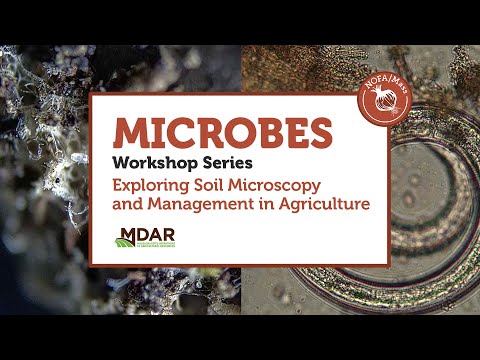
PermaNews Brief
Key Takeaways
No-till farming, cover cropping, mulching, and compost application enhance soil microbiology, reduce plastic use, and improve farm sustainability.
- Minimize soil disturbance to protect microbial life.
- Implement cover cropping for soil structure.
- Utilize mulching to retain moisture and suppress weeds.
- Add compost to boost soil fertility.
- Reduce plastic use in soil management.
Why It Matters
Adopting no-till and microbial-focused practices improves soil health, leading to better water retention, nutrient cycling, and long-term farm productivity.
What to Do Next
Explore how cover crops can be integrated into your current growing season.
Recommended for: Farmers, gardeners, and land stewards interested in ecological soil management and regenerative agriculture.
This workshop video from the 2025 NOFA/Mass Ed Events series presents no-till soil management techniques focused on enhancing microbial soil layers. It showcases sustainable practices such as cover cropping, mulching, and compost additions used by Astarte Farm to maintain soil health and reduce plastic use. The session highlights the importance of minimizing soil disturbance to preserve microbial communities and improve soil structure, water retention, and nutrient cycling, contributing to ecological farming and long-term soil fertility.
Source: youtube.com
Related Analysis
- High-Salt Fertilizers Block Soil Microbes, Kempf Says — High-salt fertilizers disrupt soil microbes and microbial colonization, trapping farmers in chemical dependency. Biologi…
- Fertilizer Shortage Forces Reckoning on Nitrogen Sources — Fertilizer supply crisis drives farms toward nitrogen-fixing cover crops, compost, and legume rotations as alternatives.
Related on PermaNews
- Ernst Götsch's Cacao Syntropy: Master Agroforestry Now (How-To Guide)
- Designing Regenerative Resilience: Participatory Living Labs (How-To Guide)
- Lo—TEK: Indigenous Tech for Climate Solutions (Article)
- Nakivale's Regenerative Toilets: Refugee Resilience, Circular Sanitation (Case Study)
- Pippin Home Designs: Regenerative Home Design Explained (How-To Guide)
- Federal Policy Shift: Native Regenerative Ag for Soil & Carbon (Article)
Explore more in Food Systems & Growing — the full hub for this knowledge area.