USDA's $700M Regenerative Ag Pilot: MAHA's Soil Health Push
By DTN Staff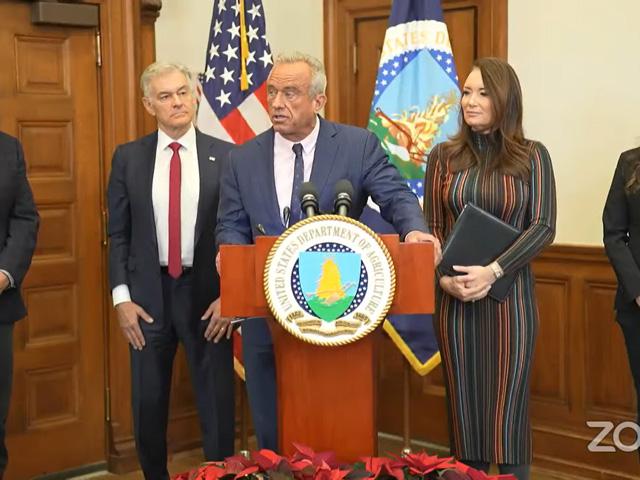
PermaNews Brief
Key Takeaways
The USDA’s new Regenerative Agriculture Pilot Program gives financial and technical support to farmers adopting practices that boost soil health and reduce chemical use.
- USDA launches $700M regenerative agriculture pilot.
- Incentivizes farmers for cover cropping, less chemicals, better soil.
- Aims to cut costs, erosion, boost crop nutrient density.
- Links regenerative ag to rural healthcare and SNAP reforms.
- Leverages existing USDA conservation programs for farmer support.
Why It Matters
This program could transform agricultural practices across the US, leading to healthier soils, more nutritious food, and revitalized rural economies.
What to Do Next
Explore USDA conservation programs like EQIP and CSP to see if your farm qualifies for regenerative agriculture support.
Recommended for: Farmers, policymakers, and environmental advocates interested in sustainable agriculture and systemic food system improvements.
The U.S. Department of Agriculture (USDA) has launched a $700 million Regenerative Agriculture Pilot Program as part of the 'Make America Healthy Again' (MAHA) agenda. This initiative aims to incentivize farmers to adopt regenerative practices such as cover cropping, reduced chemical use, and improved soil health management. The program is designed to lower production costs, reduce soil erosion, and increase nutrient density in crops, thereby enhancing both environmental and human health. It also links regenerative agriculture efforts to broader rural health care funding and reforms in the Supplemental Nutrition Assistance Program (SNAP) to improve food purchasing. The pilot program offers financial and technical assistance through existing USDA conservation programs like the Environmental Quality Incentives Program (EQIP) and the Conservation Stewardship Program (CSP). The USDA encourages farmers and ranchers to apply through local NRCS Service Centers, where they receive support for conservation planning and implementation. This program reflects a collaborative effort between the USDA and the Department of Health and Human Services to promote sustainable farming practices that benefit natural resources and rural communities.
Source: dtnpf.com
Related Analysis
- Global Water Bankruptcy Forces Agricultural Adaptation — UN report reveals water bankruptcy across surface waters, glaciers, and groundwater, forcing immediate agricultural adap…
- High-Salt Fertilizers Block Soil Microbes, Kempf Says — High-salt fertilizers disrupt soil microbes and microbial colonization, trapping farmers in chemical dependency. Biologi…
- Fertilizer Shortage Forces Reckoning on Nitrogen Sources — Fertilizer supply crisis drives farms toward nitrogen-fixing cover crops, compost, and legume rotations as alternatives.
Related on PermaNews
- Ernst Götsch's Cacao Syntropy: Master Agroforestry Now (How-To Guide)
- Designing Regenerative Resilience: Participatory Living Labs (How-To Guide)
- Lo—TEK: Indigenous Tech for Climate Solutions (Article)
- Nakivale's Regenerative Toilets: Refugee Resilience, Circular Sanitation (Case Study)
- Pippin Home Designs: Regenerative Home Design Explained (How-To Guide)
- Federal Policy Shift: Native Regenerative Ag for Soil & Carbon (Article)
Explore more in Food Systems & Growing — the full hub for this knowledge area.