January Seedling Growth: Time Flies for Young Plants
By Outgrow : The Art & Practice of Self-sufficiency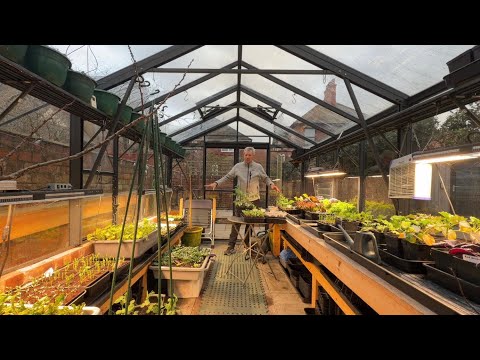
TL;DR: Starting seeds indoors in January provides an advantage for a variety of plants, leading to healthier development and an extended growing season.
- Indoor seed starting enables earlier harvests.
- Tomatoes and peppers thrive with warm indoor starts.
- Brassicas benefit from strong root systems.
- Herbs can be successfully grown from seed indoors.
- Diverse plant types suggest versatile gardening goals.
Why it matters: Starting seeds indoors optimizes plant growth, especially in colder climates, by providing a head start and better establishment for transplanting, which can significantly improve yield and variety.
Do this next: Watch the video to learn more about successful indoor seed starting techniques.
Recommended for: Home gardeners looking to maximize their planting season and cultivate healthier, more diverse plants by starting seeds indoors.
The month of January saw significant activity in the realm of seedling cultivation, with various plants showing promising early development. The process of starting seeds indoors is a common practice for many gardeners, particularly those in regions with colder climates, as it allows for an extended growing season and stronger, more established plants when transplanted outdoors.
One notable success was observed with the tomato seedlings. These plants, often a staple in many home gardens, demonstrated robust growth, indicating favorable conditions for their initial stages. Tomatoes typically require a warm environment and consistent moisture to thrive, and their progress suggests these needs were met. The early vigor of tomato plants is crucial for a bountiful harvest later in the season.
Alongside the tomatoes, several varieties of peppers also began to emerge. Peppers, like tomatoes, are warm-season crops and benefit greatly from an early start indoors. Their germination and initial growth are often slower than some other vegetables, making their successful emergence a positive sign. The diversity in pepper types suggests an intention to cultivate a range of flavors and heat levels, catering to different culinary preferences.
The cultivation of brassicas, a family of vegetables that includes broccoli, cabbage, and kale, also commenced. These plants are generally more tolerant of cooler temperatures than tomatoes and peppers, but an indoor start can still provide a significant advantage, leading to larger and healthier plants. The early development of brassicas is important for establishing strong root systems, which are essential for their continued growth and productivity.
Herbs were another category of plants that saw early progress. Starting herbs from seed can be a rewarding endeavor, offering a fresh supply of culinary and medicinal plants. The successful germination of various herbs indicates a well-rounded approach to gardening, encompassing both staple vegetables and flavorful additions.
The process of nurturing these seedlings involves several key steps. Providing adequate light is paramount, often achieved through grow lights, especially during the shorter days of winter. Consistent watering, without over-saturating the soil, is also crucial to prevent damping-off disease, a common issue with young seedlings. The use of appropriate seed-starting mixes, which are typically light and well-draining, further supports healthy development.
The observation that "time's a flying" reflects the rapid pace at which the gardening season progresses once seeds are sown. The initial weeks of seedling growth are critical, as they lay the foundation for the entire growing season. Successful early development minimizes the risk of setbacks and maximizes the potential for a productive harvest. This early progress also allows for timely transplanting when outdoor conditions become suitable, preventing the seedlings from becoming root-bound or leggy.
Overall, the January seedling progress indicates a successful start to the growing season for a diverse array of plants. The positive development of tomatoes, peppers, brassicas, and herbs suggests careful planning and execution in the initial stages of cultivation. This early success is a crucial step towards achieving self-sufficiency and enjoying fresh produce from the garden.
Source: youtube.com
Related Analysis
- Farms Build Resilience, Pivot to Regenerative Soil — New initiatives and analysis explicitly frame regenerative agriculture as a direct solution for climate resilience, focu…
- Federal Policy Pivots, Builds Indigenous Agriculture Frameworks — Federal policy trends are integrating Indigenous knowledge with soil science in regenerative agriculture, shifting polic…
Related on PermaNews
- Boost Tomato Yield: Avoid These Seedling Mistakes (Video)
- 4-Year Covered Market Gardens: Season Extension Insights (Video)
- Beat the Frost: Gardening Protection Strategies (Video)
- Summer Seed Starting: La Huertina De Toni's Method (Video)
- Charles Dowding: Early Harvest in 3 No-Dig Ways (Video)
- Year-Round Leeks: Grow All Four Seasons! (Video)
Explore more in Food Systems & Growing — the full hub for this knowledge area.