Charles Dowding: Early Harvest in 3 No-Dig Ways
By Charles Dowding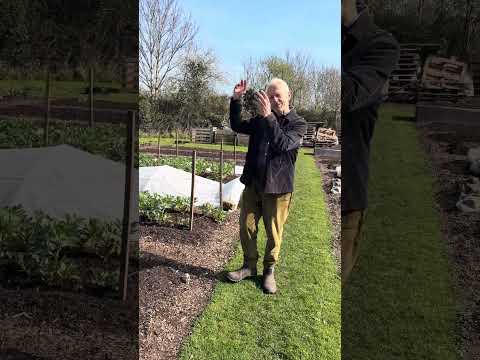
TL;DR: Extend your garden’s productivity and enjoy earlier produce by implementing simple protection and soil warming strategies.
- Protect plants from adverse weather with cloches, tunnels, or cold frames.
- Optimize growing conditions to warm soil for faster plant growth.
- Raised beds warm faster and are ideal for early season planting.
- Select appropriate crop varieties suited for early harvests.
- Horticultural fleece provides insulation and allows air circulation.
Why it matters: Implementing season extension techniques allows gardeners to significantly prolong their harvest period, increasing fresh food availability and garden yield.
Do this next: Consider building a simple cloche or low tunnel to protect your most vulnerable early crops from frost and cold.
Recommended for: Gardeners aiming to extend their growing season and increase early yields using practical, proven techniques.
Achieving earlier harvests in a garden can significantly extend the growing season and provide fresh produce over a longer period. There are several effective strategies that can be employed, focusing on protecting plants from adverse weather, optimizing growing conditions, and selecting appropriate varieties.
One primary method involves providing physical protection to plants. This can be achieved through various structures that create a more favorable microclimate. For instance, cloches, which are essentially small, portable covers, can be placed over individual plants or rows. These can be made from clear plastic or glass and act like miniature greenhouses, trapping solar heat and shielding plants from cold winds, frost, and heavy rain. Similarly, low tunnels, constructed using hoops covered with horticultural fleece or clear plastic, offer a larger protected space. These are particularly useful for rows of vegetables, allowing for earlier planting of crops like lettuce, spinach, and radishes. The material used for the cover can be adjusted based on the specific needs; fleece provides good insulation and allows some air circulation, while plastic offers more significant heat retention. Cold frames, which are bottomless boxes with a transparent lid, are another excellent option. They are typically more robust than cloches or tunnels and can be used to harden off seedlings started indoors or to grow cool-season crops through milder winters. These structures help to raise the soil temperature, which is crucial for seed germination and early plant growth, and protect delicate young plants from temperature fluctuations.
Another crucial strategy centers on optimizing the growing environment itself, particularly the soil. Enhancing soil warmth is paramount for early season success. Raised beds are highly effective in this regard. Because they are elevated above the surrounding ground, the soil in raised beds warms up more quickly in the spring sun. This is due to increased exposure to sunlight on all sides and better drainage, which prevents the soil from remaining cold and waterlogged. The soil in raised beds also tends to be lighter and more friable, allowing for better root development. Furthermore, incorporating organic matter into the soil, such as compost, can improve its structure and dark color, which helps it absorb and retain more solar heat. Black plastic mulch or landscape fabric can also be laid over the soil surface. This material absorbs sunlight, significantly warming the soil underneath, and also suppresses weeds, reducing competition for nutrients and water. When using mulches, it's important to ensure they are removed or covered once temperatures rise to prevent overheating.
Finally, careful planning and selection of plant varieties play a significant role in achieving early harvests. Choosing fast-maturing varieties is a straightforward way to get produce sooner. Many seed catalogs specify the "days to maturity," allowing gardeners to select those that complete their growth cycle in the shortest time. Starting seeds indoors several weeks before the last expected frost date is another highly effective technique. This gives seedlings a head start in a controlled environment, protecting them from harsh outdoor conditions during their most vulnerable stage. Once the weather improves and the seedlings are robust enough, they can be transplanted outdoors, already well on their way to maturity. This method is particularly beneficial for crops that take a long time to mature, such as tomatoes, peppers, and eggplants, but can also be applied to quicker-growing vegetables to gain an even earlier harvest. Additionally, selecting cold-tolerant varieties of vegetables can allow for earlier planting in cooler soil and air temperatures, further extending the harvest window.
By combining these approaches – providing physical protection, optimizing soil conditions, and making strategic plant selections – gardeners can significantly advance their harvest times, enjoying fresh produce much earlier in the season.
Source: youtube.com
Related Analysis
- Farms Build Resilience, Pivot to Regenerative Soil — New initiatives and analysis explicitly frame regenerative agriculture as a direct solution for climate resilience, focu…
- Federal Policy Pivots, Builds Indigenous Agriculture Frameworks — Federal policy trends are integrating Indigenous knowledge with soil science in regenerative agriculture, shifting polic…
Related on PermaNews
- Worst Soil? See Our Food Growth Successes! (Video)
- April Permaculture Tour: Interplanting, Early Harvests, No-Dig UK (Video)
- 4-Year Covered Market Gardens: Season Extension Insights (Video)
- Compost Ready? Do THIS First for Soil Health! (Video)
- Beat the Frost: Gardening Protection Strategies (Video)
- Winter Squash Sowing: UK Gardeners - Part 2 (Video)
Explore more in Food Systems & Growing — the full hub for this knowledge area.