Discover Agroforestry: Benefits for Farmers and Ecosystems
By Jessica Levy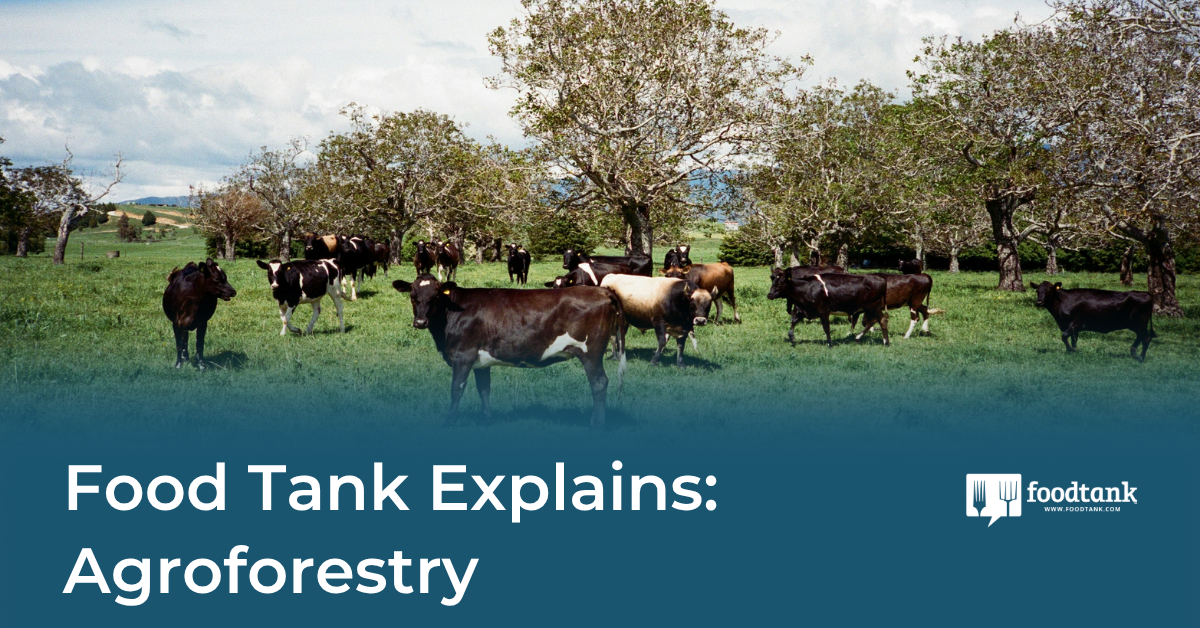
PermaNews Brief
Key Takeaways
Agroforestry combines various agricultural elements to enhance sustainability and productivity.
- Integrates crops, trees, and livestock for diverse systems.
- Boosts soil health and biodiversity.
- Enhances water retention and reduces erosion.
- Increases farm resilience to climate change.
- Supports local economies and community health.
Why It Matters
Agroforestry offers a holistic approach to farming, improving ecological balance and economic stability for farming communities.
What to Do Next
Explore agroforestry practices suitable for your farm environment.
Permaculture Context
For permaculture designers and homesteaders, the growing mainstream recognition of agroforestry isn't just validation — it's an opening. As Food Tank brings this conversation to broader agricultural audiences, practitioners already working with guilds, food forests, and integrated grazing systems have an opportunity to position their lived experience as genuinely ahead of the curve. What agroforestry literature often underemphasizes, however, is the design intelligence required to make these systems truly self-reinforcing rather than simply additive. Stacking trees with crops or rotating livestock through orchards only yields lasting resilience when the relationships between elements are intentional — when nitrogen fixers are placed to feed fruit trees, when animals cycle nutrients rather than just graze opportunistically. If you're building or refining a homestead or small farm, this moment is a good prompt to audit your system not for what elements you have, but for how meaningfully they interact. The difference between an agroforestry system and a permaculture food forest is often just that depth of designed relationship — and that depth is exactly what regenerative practitioners should be cultivating and documenting now.
Recommended for: Farmers and land managers interested in sustainable practices.
Agroforestry integrates trees, crops, and livestock into interconnected systems that can benefit farmers, communities, and ecosystems.
The post Food Tank Explains: Agroforestry appeared first on Food Tank.
Source: foodtank.com
Related Analysis
- Eastern US Farmers Put Silvopasture Economics to the Test — A small but consistent set of signals indicates eastern US farmers are pressure-testing silvopasture not on ecological g…
- Baltimore Researchers Reject Yield as Urban Farm Success Metric — Several sources suggest urban agriculture is being recast from food supplement to food sovereignty tool, with peer-revie…
Related on PermaNews
- Ernst Götsch's Cacao Syntropy: Master Agroforestry Now (How-To Guide)
- Borneo's Rainforest Revival: Dr. Smits' Sugar Palm Village Hub (Case Study)
- Nagaland's Jhum-Alder Agroforestry: Climate-Smart Farming (Article)
- Revolutionizing Agriculture: People, Nature, & a Fertile Earth (Article)
- Stockmanship Clinic with Curt Pate (Event)
- Interaktive Karte: Erfolgreiche Agroforst- und Mischbetriebe in Europa (Event)
Explore more in Food Systems & Growing — the full hub for this knowledge area.