USDA's $700M Farmer-First Regen Ag Pilot Unveiled
By Tony St. James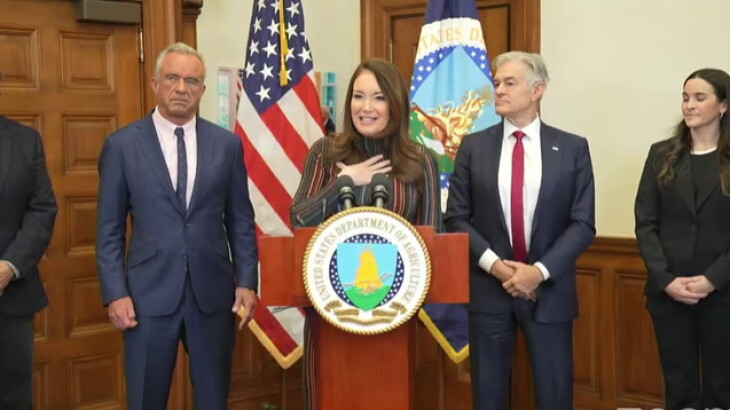
PermaNews Brief
Key Takeaways
The USDA launched a $700 million pilot program to help American farmers adopt regenerative agriculture practices focused on outcomes-based conservation.
- New USDA pilot offers $700M for regenerative farm practices.
- Program uses existing frameworks for easy farmer access.
- Focuses on building soil health, reducing chemical use.
- Financial assistance linked to verifiable environmental outcomes.
- Streamlined application via local NRCS offices.
Why It Matters
This initiative could significantly shift American agriculture towards more sustainable, profitable, and environmentally friendly practices, benefiting both farmers and the public through healthier food and ecosystems.
What to Do Next
Contact your local NRCS office to inquire about eligibility and application for the Regenerative Pilot Program.
Recommended for: American farmers seeking financial and technical support to transition to or enhance regenerative agricultural practices.
On December 10, 2025, the USDA unveiled its $700 million Regenerative Pilot Program, described as a 'farmer-first' initiative emphasizing outcomes-based conservation to support the adoption of soil-friendly practices across American farms. Administered primarily through the Natural Resources Conservation Service (NRCS), the program leverages existing frameworks like EQIP and CSP to provide financial assistance without overhauling established processes. This approach ensures accessibility, allowing farmers to integrate regenerative methods such as cover cropping, rotational grazing, and reduced chemical applications seamlessly into their operations.
The program's core philosophy centers on regenerative agriculture's principles: building soil organic matter to enhance fertility, water infiltration, and microbial activity, thereby reducing erosion, nutrient runoff, and dependency on synthetic fertilizers. By focusing on outcomes—verified through soil tests and field assessments—NRCS aims to deliver tangible benefits like cost savings on inputs, higher yields over time, and improved farm profitability. Eligibility involves standard USDA protocols: producers must demonstrate control of the land via deeds or leases, hold a farm number, and commit to conservation plans protecting sensitive areas.
Application processes are streamlined at local NRCS offices, with continuous intake but periodic ranking based on environmental priorities and benefits. Approved participants receive contracts with clear practice specifications and timelines, followed by payments post-implementation and inspection. This structure minimizes bureaucratic hurdles, empowering farmers to lead transitions toward sustainability. Tied to the Making America Healthy Again (MAHA) movement, the pilot addresses public health concerns by promoting farming systems that yield more nutritious crops with fewer toxins.
Complementing this are parallel USDA actions, such as biofuel policy enhancements under the Renewable Fuel Standard and E15 sales expansions, bolstering rural economies. The initiative responds to farmer feedback on high input costs exacerbated by global supply chain issues, offering a pathway to resilience. While optimistic projections forecast widespread adoption, success hinges on effective outreach and technical assistance. As of December 11, 2025, initial responses from agricultural communities indicate enthusiasm, positioning this as a transformative step in U.S. conservation policy.
Source: rfdtv.com
Related Analysis
- Composting Advice Shifts From Chemistry to Microbial Biology — Several sources suggest composting guidance is pivoting from nutrient ratios toward microbial ecology—reframing what "go…
- Does Growing Your Own Food Actually Save Money? The Real Numbers — Most home gardens save money by year two — but only if the right crops are planted. Herbs and salad greens deliver 5–10x…
Related on PermaNews
- Ernst Götsch's Cacao Syntropy: Master Agroforestry Now (How-To Guide)
- Designing Regenerative Resilience: Participatory Living Labs (How-To Guide)
- Lo—TEK: Indigenous Tech for Climate Solutions (Article)
- Nakivale's Regenerative Toilets: Refugee Resilience, Circular Sanitation (Case Study)
- Pippin Home Designs: Regenerative Home Design Explained (How-To Guide)
- Federal Policy Shift: Native Regenerative Ag for Soil & Carbon (Article)
Explore more in Food Systems & Growing — the full hub for this knowledge area.