Silvopasture in BC – An Introduction and Overview
By GovernmentofBC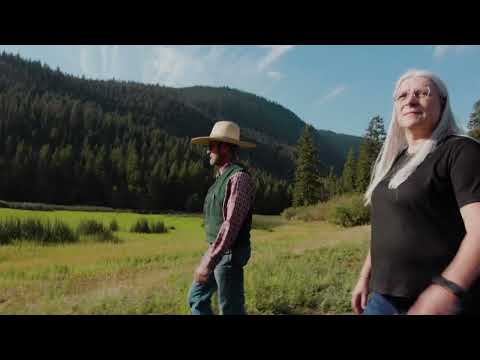
PermaNews Brief
Key Takeaways
Silvopasture melds trees, livestock, and forages for dynamic regenerative farming.
- Combines trees with livestock on the same land
- Focuses on dynamic interactions for performance
- Supports economic, environmental, and social resilience
- Includes various establishment pathways
- Works alongside standard forestry and grazing methods
Why It Matters
This approach enhances agricultural resilience by integrating diverse systems that boost environmental benefits while maintaining productivity.
What to Do Next
Watch the video to understand silvopasture implementation.
Permaculture Context
For permaculture practitioners and regenerative land stewards in British Columbia and similar temperate climates, silvopasture represents something more profound than a grazing upgrade — it is an invitation to stop managing separate systems and start designing relationships. Most small-scale operators still think in silos: the woodlot is over there, the pasture is here, the animals rotate through but never truly integrate. Silvopasture dissolves that mental boundary, and dissolving it changes everything from your labour calendar to your cash flow timeline. The catch, and it is worth saying plainly, is that trees operate on a decade-scale investment horizon that most annual-thinking farmers find uncomfortable. That discomfort is actually the practice's greatest lesson: resilience is built slowly, through compounding ecological relationships, not quick wins. Concretely, this means someone designing a homestead or regenerative grazing enterprise today should be selecting tree species, spacing, and forage mixes simultaneously, not sequentially, and should be accounting for shade tolerance shifts five and fifteen years out. The planning horizon is the practice.
Recommended for: Farmers and land managers interested in sustainable practices.
This introductory video explains the core principles of silvopasture in the context of British Columbia’s grazing landscapes and presents the practice as an agroforestry system that deliberately blends trees, forages, and livestock on the same land base. The presentation is useful because it goes beyond a simple definition and focuses on the interactions that determine performance over time: tree-forage, forage-livestock, and livestock-tree interactions. That systems perspective is important for anyone managing a regenerative grazing enterprise because it shows that silvopasture is dynamic, not static, and that management decisions change as trees grow and pasture conditions evolve. The video also states that silvopasture serves economic, environmental, and social functions, which aligns the practice with broader resilience goals rather than narrow production targets. It identifies silvopasture as one of five common temperate agroforestry systems, alongside alley cropping, integrated riparian management, windbreaks, and forest farming, helping viewers understand where it fits in the wider agroforestry toolkit. Another practical contribution is the discussion of establishment pathways: silvopastures can be created in multiple ways, including establishing trees and forages at the same time, modifying existing timber stands to add forage, or taking a pasture system and adding trees. The video also emphasizes that silvopasture is a supplementary tool alongside standard forestry or grazing management, meaning landowners should begin by clarifying their management objective before choosing a system. It further notes contributions to fiber supply, forage supply, and riparian protection, indicating that design choices can support both production and conservation outcomes. For farmers, extension agents, and land managers, the video offers a concise but concrete orientation to silvopasture design logic, establishment options, and decision-making criteria. It is most valuable as an overview that helps viewers decide whether silvopasture is a good fit for their land and objectives before moving into more detailed planning or implementation resources.
Source: youtube.com
Related Analysis
- Baltimore Researchers Reject Yield as Urban Farm Success Metric — Several sources suggest urban agriculture is being recast from food supplement to food sovereignty tool, with peer-revie…
- Urban Food Forest Tours Signal Shift From Passive Gardens — Several initiatives indicate urban food forests are evolving into hands-on design and education hubs — distinct from con…
Related on PermaNews
- Ernst Götsch's Cacao Syntropy: Master Agroforestry Now (How-To Guide)
- Borneo's Rainforest Revival: Dr. Smits' Sugar Palm Village Hub (Case Study)
- Nagaland's Jhum-Alder Agroforestry: Climate-Smart Farming (Article)
- Revolutionizing Agriculture: People, Nature, & a Fertile Earth (Article)
- Stockmanship Clinic with Curt Pate (Event)
- Interaktive Karte: Erfolgreiche Agroforst- und Mischbetriebe in Europa (Event)
Explore more in Food Systems & Growing — the full hub for this knowledge area.