Crafting the Optimal Commercial Chicken Coop: Key Guidelines
By Ricardo Orlando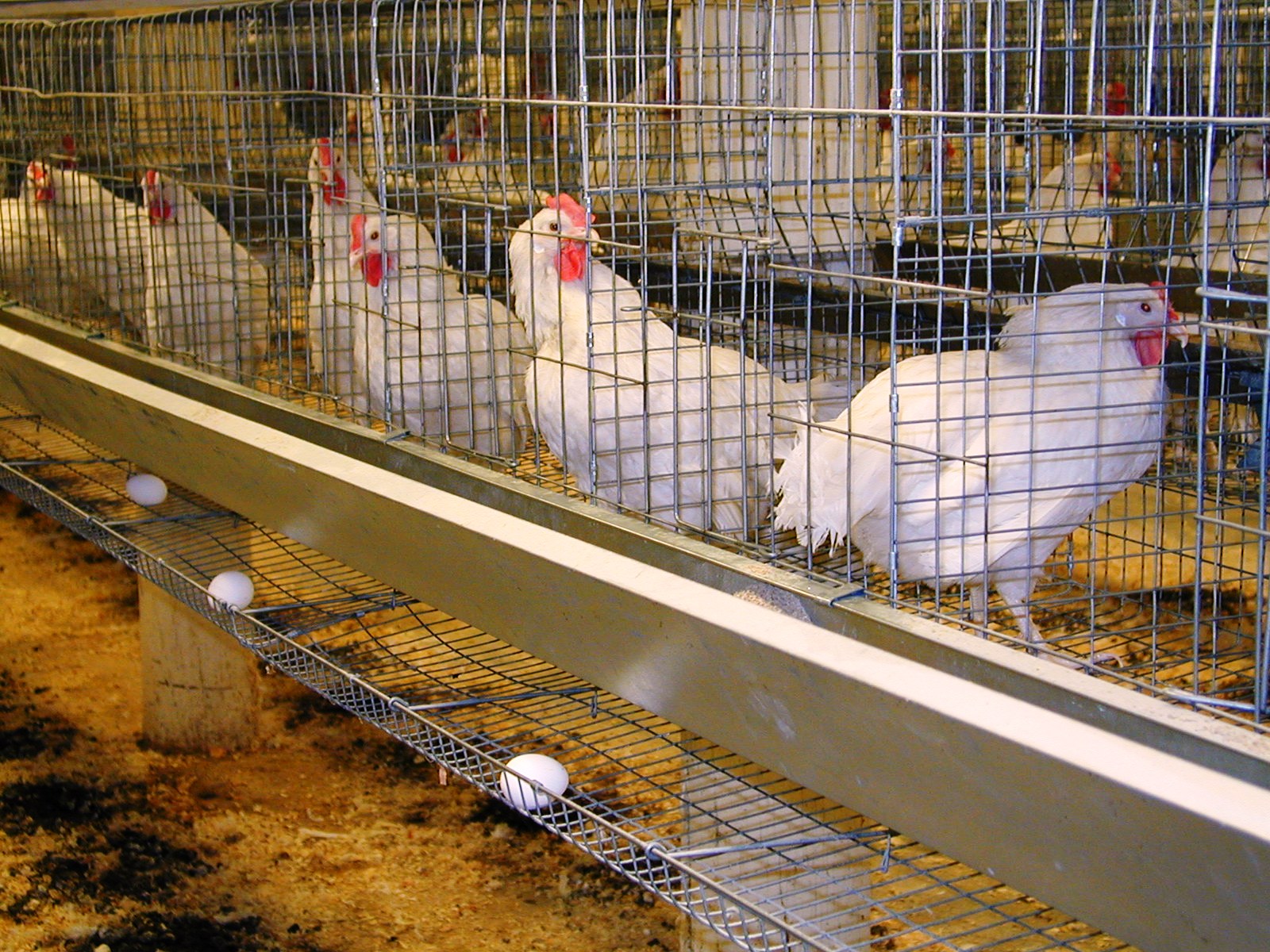
PermaNews Brief
Key Takeaways
Building a successful commercial chicken coop requires careful planning around breed-specific needs, appropriate sizing, and environmental controls for optimal flock health and productivity.
- Match coop design to chicken breed needs.
- Avoid overcrowding for health and productivity.
- Ensure excellent ventilation and air quality.
- Maintain stable temperatures with insulation.
- Plan for efficient feeding and watering systems.
Why It Matters
Proper coop design directly impacts chicken welfare, egg production, and meat quality, leading to better economic outcomes for commercial operations.
What to Do Next
Research specific space, temperature, and ventilation needs for your chosen chicken breed before drawing up coop plans.
Recommended for: Commercial poultry farmers, agricultural investors, and large-scale homesteaders seeking to optimize their chicken coop infrastructure.
Constructing an effective commercial chicken coop necessitates careful consideration of various factors to ensure the health, productivity, and welfare of the poultry. The initial and most critical step involves understanding the specific characteristics and needs of the chicken breeds intended for the facility. Different breeds have distinct requirements regarding space, temperature, ventilation, and social behavior, and a thorough understanding of these nuances is paramount before any construction begins.
One fundamental aspect is the appropriate sizing of the coop. Overcrowding can lead to stress, disease, and reduced egg production or meat quality. Conversely, an excessively large coop for a small flock can be inefficient in terms of heating and cleaning. The design should allow for adequate space per bird, typically measured in square feet, which varies depending on whether the chickens are layers, broilers, or breeders. This space allocation should account for areas for roosting, nesting, feeding, and watering.
Ventilation is another crucial element. A well-designed ventilation system is essential for maintaining air quality, regulating temperature, and removing moisture and ammonia buildup. Poor ventilation can lead to respiratory problems in chickens and create an environment conducive to pathogen growth. This can involve natural ventilation through strategically placed windows and vents, or mechanical systems like fans, especially in larger operations or climates with extreme temperatures. The aim is to provide a constant supply of fresh air without creating drafts that could stress the birds.
Temperature control is also vital. Chickens are sensitive to extreme temperatures, both hot and cold. The coop design should incorporate insulation to help maintain a stable internal temperature. In colder climates, heating systems might be necessary, while in warmer regions, cooling methods such as misters, fans, or even evaporative coolers could be employed. The goal is to keep the coop within the optimal temperature range for the specific chicken breed being housed.
Lighting, both natural and artificial, plays a significant role in chicken health and productivity. Natural light is beneficial, but artificial lighting is often required to ensure consistent day length, particularly for laying hens, to stimulate egg production. The intensity and duration of artificial light need to be carefully managed to avoid stressing the birds or disrupting their natural cycles.
Sanitation and ease of cleaning are practical considerations that impact the long-term viability of a commercial coop. The materials used for construction should be durable, easy to clean, and resistant to pests and moisture. Smooth, non-porous surfaces are preferable for walls and floors. The layout should facilitate efficient waste removal and disinfection routines, which are critical for disease prevention.
Security is another important factor. The coop must be designed to protect the chickens from predators, including wild animals and domestic pets. This involves sturdy construction, secure doors and windows, and potentially fencing around the perimeter.
Finally, the placement of feeders and waterers needs careful thought. They should be easily accessible to all birds, at an appropriate height, and designed to minimize waste and contamination. Automated feeding and watering systems can improve efficiency in larger operations. The overall layout should promote natural chicken behaviors while optimizing operational efficiency and bird welfare.
Source: urbanfarmonline.com
Related Analysis
- Regenerative Farmers Flip Cover Crop Logic From Compliance to Profit — Practitioner accounts and a new meta-analysis suggest cover cropping is being reframed from conservation practice to pro…
- Farmers Convert Six Weeks of Rhubarb Into 25-Year Supply — Initial signals suggest a rhubarb preservation technique can extend a brief seasonal harvest into 25 years of storage—a …
Related on PermaNews
- Silvopasture: Maximize Livestock Gains with Regenerative Trees (How-To Guide)
- Agroforestry-Bioenergy System for Africa's Energy, Food, Health (Article)
- Regenerate Soil: Animal Integration in Carbon Farming (How-To Guide)
- 2025 Urban Ag: Deep Roots, Growing Trends & Policy Impact (Case Study)
- 8 Urban Permaculture Retrofits: 2024-25 Self-Sufficient Micro-Farms (Case Study)
- Regenerative Aquaculture: A New Conceptual Framework (Case Study)
Explore more in Food Systems & Growing — the full hub for this knowledge area.