2025 Urban Ag: Deep Roots, Growing Trends & Policy Impact
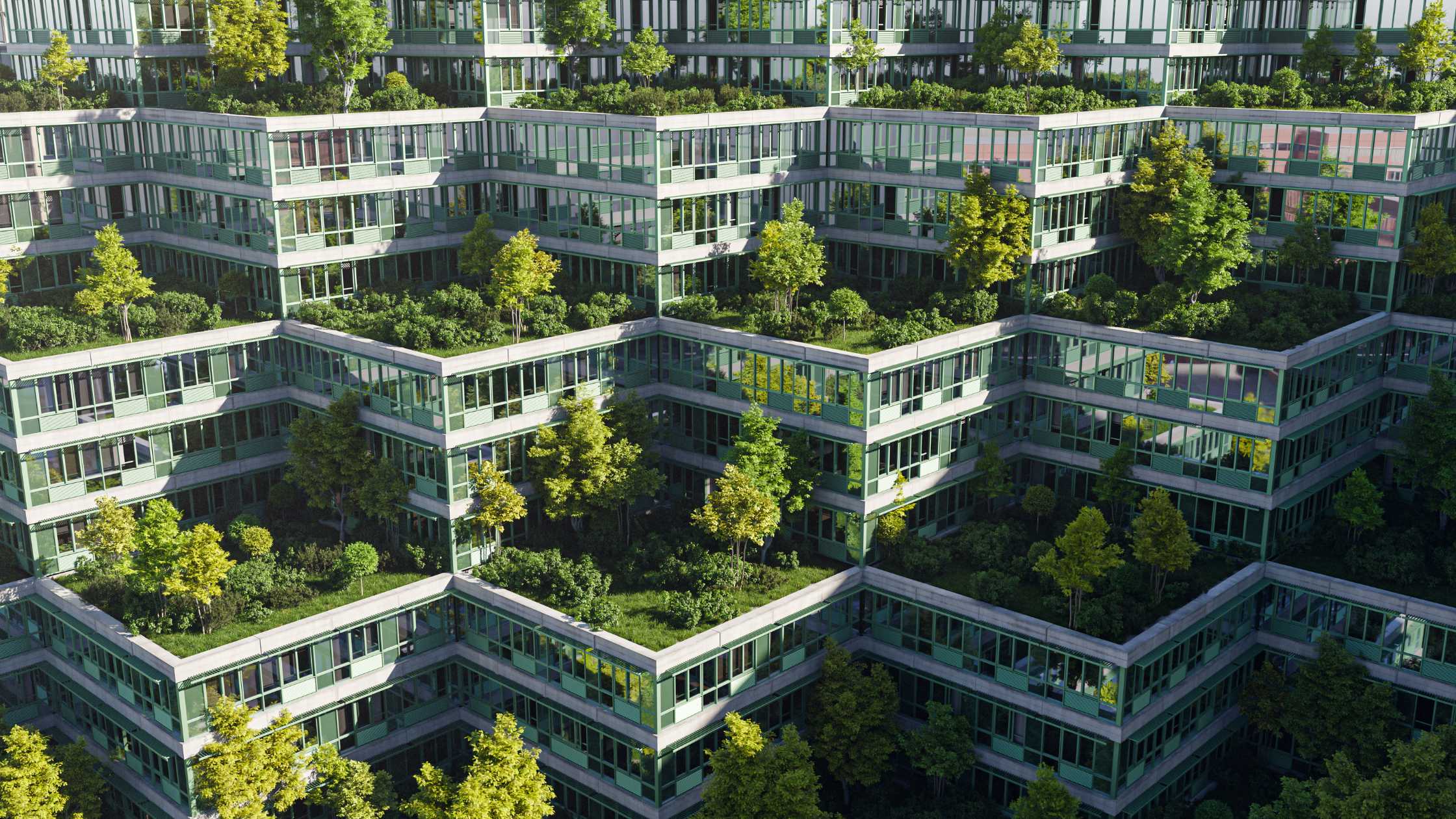
TL;DR: Urban agriculture is rapidly expanding through diverse and innovative models, proving environmental, economic, and social sustainability.
- Vertical farms optimize space and resources.
- Rooftop greenhouses supply local markets.
- Aquaponics combines fish and vegetable production.
- Community gardens boost social ties and food access.
- Diversified urban farms offer education and engagement.
Why it matters: Urban agriculture can transform city food systems, enhance community well-being, and provide fresh, local produce.
Do this next: Research local urban agriculture initiatives or start a small-scale garden project at home or in your community.
Recommended for: Anyone interested in the practicalities and benefits of current urban agriculture trends, from individuals to city planners.
This in-depth analysis explores contemporary urban agriculture trends, implementation models, and case studies demonstrating both environmental and economic sustainability in 2025. The guide examines how urban agriculture strengthens social fabric through community building, with urban farms and community gardens creating spaces for social interaction, knowledge sharing, and collaboration. AeroFarms in Newark, New Jersey represents a leading vertical farming enterprise utilizing aeroponics technology to grow leafy greens and herbs with minimal water and land usage, demonstrating significant investment and industry leadership in efficient urban food production. Gotham Greens operates large-scale rooftop greenhouses across multiple US cities, providing consistent supplies of fresh produce to local retailers and restaurants while establishing market viability for sustainable urban production. ECF Farms in Berlin, Germany combines aquaponics with vertical farming to produce both fish and vegetables in closed-loop systems, generating strong local demand and positioning itself as a leader in aquaponic farming. Brooklyn Grange operates the world's largest rooftop soil farms, producing diverse vegetables, herbs, and flowers while providing educational programs and community events that demonstrate commitment to sustainability and community engagement. The guide documents urban agriculture adoption across major US cities: Los Angeles develops networks of rooftop farms, Chicago cultivates community gardens in underserved neighborhoods to address food access inequities, and New York City witnesses expansion of rooftop greenhouses and vertical farms. These case studies collectively demonstrate practical pathways for urban agriculture to achieve environmental sustainability through reduced resource consumption, economic viability through market-driven production, and social resilience through community engagement and food security improvements.
Source: growdirector.com
Related Analysis
- Farms Build Resilience, Pivot to Regenerative Soil — New initiatives and analysis explicitly frame regenerative agriculture as a direct solution for climate resilience, focu…
- Federal Policy Pivots, Builds Indigenous Agriculture Frameworks — Federal policy trends are integrating Indigenous knowledge with soil science in regenerative agriculture, shifting polic…
Related on PermaNews
- Federal Policy Shift: Native Regenerative Ag for Soil & Carbon (Article)
- The Path Forward from Global Water Bankruptcy (Article)
- Silvopasture: Maximize Livestock Gains with Regenerative Trees (How-To Guide)
- Agroforestry-Bioenergy System for Africa's Energy, Food, Health (Article)
- Regenerate Soil: Animal Integration in Carbon Farming (How-To Guide)
- Seed Saving: A Revolutionary Act for Biodiversity & Food (Article)
Explore more in Food Systems & Growing — the full hub for this knowledge area.