Regenerate Soil: Animal Integration in Carbon Farming
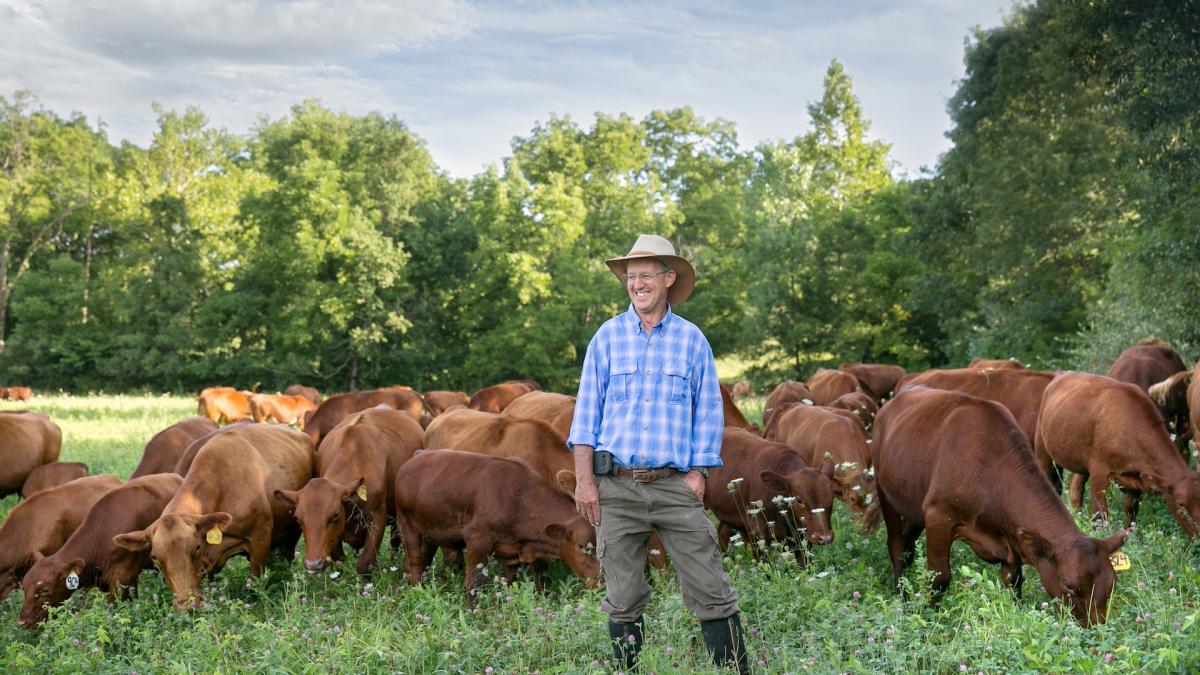
TL;DR: Reintegrating livestock into farming systems can restore soil health, increase carbon capture, and reduce industrial agriculture's harm.
- Integrated crop and animal systems were historically common and beneficial.
- Modern agriculture separated crops and livestock, causing environmental degradation.
- Animal integration boosts nutrient cycling and diversifies farm income.
- Multiple strategies exist, from silvopasture to managed rotational grazing.
- Careful management is crucial to avoid issues like overgrazing.
Why it matters: Reintegrating animals into farms offers a powerful path to regenerate degraded agricultural lands, build resilience, and create more sustainable food systems.
Do this next: Research local farms successfully practicing animal integration and explore their methods.
Recommended for: Farmers, land managers, and policymakers interested in adopting regenerative agricultural practices that include livestock for environmental and economic benefits.
This comprehensive guidance and synthesis page from Project Regeneration (Regeneration.org) frames animal integration as a key regenerative agriculture practice aimed at restoring soil health, increasing carbon sequestration, and reducing the harms of industrialized meat and dairy systems. The resource provides historical context, arguing that integrated crop-and-animal systems were once the norm for most farms, supplying food, income, fiber, power, and critical nutrient cycling via manure; it contrasts that history with the 20th-century separation of crops and livestock that led to monocultures, confinement systems, and degradative outcomes for agroecosystems and public health. The page outlines the ecological and social rationale for reintegrating animals into farms—highlighting benefits such as manure-driven nutrient recycling, diversified farm incomes, and ecological functions like targeted grazing to control pests and maintain pasture health. Regeneration.org situates animal integration within a broader Nexus Rating System that evaluates solutions across social justice, biodiversity, carbon, and other criteria; the page's content includes governance recommendations, practical action items for implementing animal integration, and links to case studies, key players, and further learning. The guidance emphasizes multiple animal integration strategies—from silvopasture and managed rotational grazing to integrating poultry and pigs for crop residue management—and discusses potential trade-offs and management considerations to avoid negative outcomes (for example, overgrazing or inappropriate stocking densities). The resource is structured to be actionable for practitioners and policymakers: it provides implementation pathways, evaluation frameworks, and references to supporting literature. Although the page functions as a high-level synthesis rather than a single research study, it consolidates evidence and practitioner knowledge to position animal integration as an evidence-informed lever for regenerative transformation, including suggested metrics for monitoring soil carbon, biodiversity, and socio-economic co-benefits. The content is useful for farmers, extension agents, and aggregator curators seeking an authoritative, programmatic overview of livestock integration strategies within regenerative agriculture systems.
Source: regeneration.org
Related Analysis
- Farms Build Resilience, Pivot to Regenerative Soil — New initiatives and analysis explicitly frame regenerative agriculture as a direct solution for climate resilience, focu…
- Federal Policy Pivots, Builds Indigenous Agriculture Frameworks — Federal policy trends are integrating Indigenous knowledge with soil science in regenerative agriculture, shifting polic…
Related on PermaNews
- Ernst Götsch's Cacao Syntropy: Master Agroforestry Now (How-To Guide)
- Designing Regenerative Resilience: Participatory Living Labs (How-To Guide)
- Lo—TEK: Indigenous Tech for Climate Solutions (Article)
- Nakivale's Regenerative Toilets: Refugee Resilience, Circular Sanitation (Case Study)
- Pippin Home Designs: Regenerative Home Design Explained (How-To Guide)
- Federal Policy Shift: Native Regenerative Ag for Soil & Carbon (Article)
Explore more in Food Systems & Growing — the full hub for this knowledge area.