Rodale Institute's 50-Year Regenerative Organic Journey
By Maura Beuttel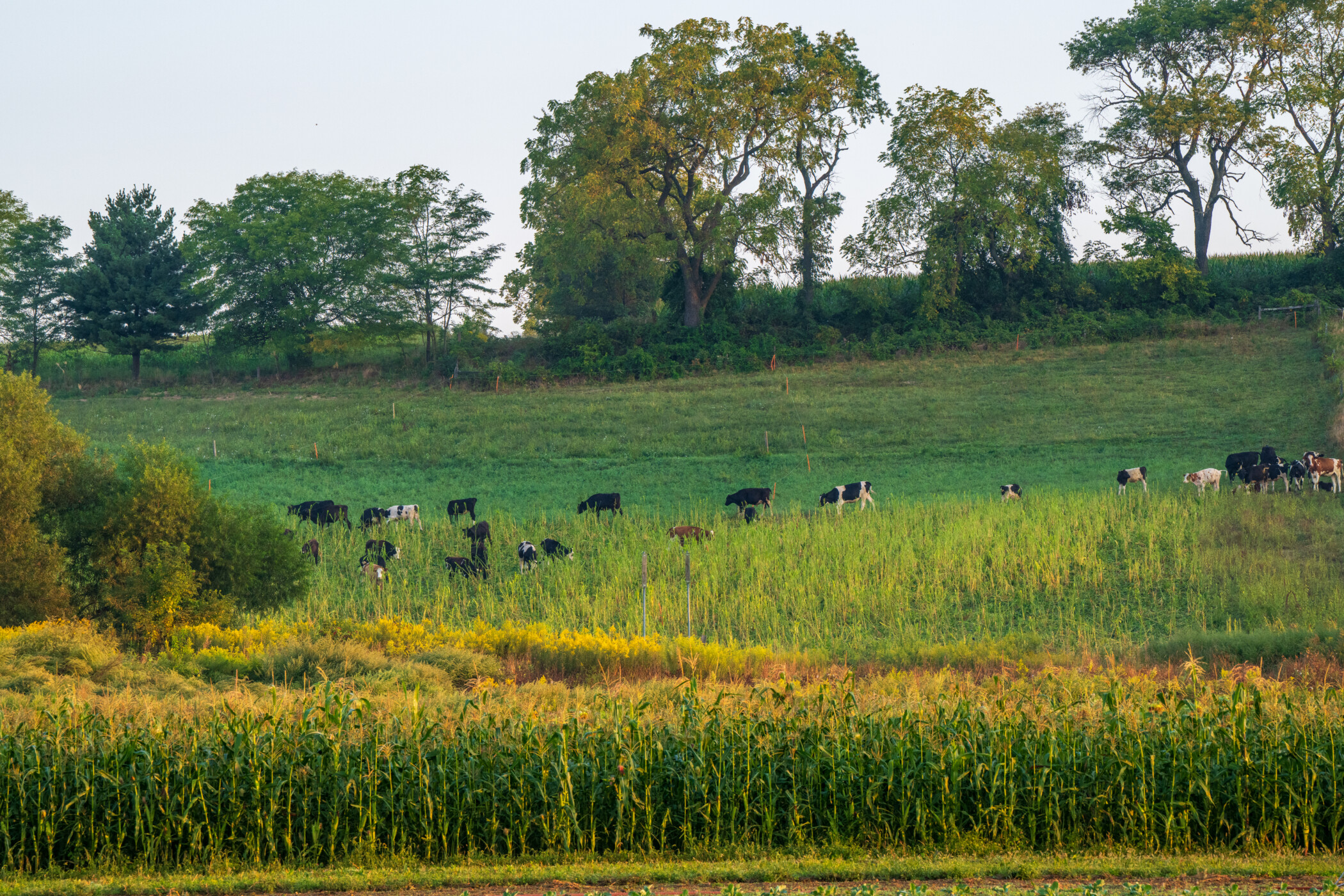
PermaNews Brief
Key Takeaways
Rodale Institute pioneers regenerative organic agriculture, proving its benefits for soil, climate, and food security through decades of research and practical application.
- Rodale Institute drives regenerative organic agriculture since the 1970s.
- Their research proves regenerative methods rebuild soil health and sequester carbon.
- Long-term trials show organic farming can feed the world sustainably.
- They educate farmers and policymakers on organic agriculture benefits.
- Rodale champions practices like cover cropping and no-till farming.
Why It Matters
Understanding Rodale’s impact provides a blueprint for scalable, sustainable agricultural practices globally, crucial for environmental and food systems.
What to Do Next
Explore different cover cropping strategies suitable for your local climate and soil type.
Permaculture Context
For permaculture designers and homesteaders working at the smaller scale, Rodale's decades of rigorous field research provides something genuinely valuable: institutional credibility that validates what many practitioners have already observed on their own land. When a neighbour, a bank, or a local council questions whether no-till methods or diverse polycultures actually work, Rodale's longitudinal data becomes a practical tool, not just an ideological talking point. More meaningfully, their findings on soil microbial communities and carbon sequestration align closely with permaculture's zone-and-sector thinking, reinforcing that healthy systems are built from the ground up, literally. If you are designing a food forest, establishing a market garden, or transitioning degraded pasture, the practical implication is clear: prioritise soil biology before yield. Cover crops, integrated animals, and minimal disturbance are not compromises in productivity — they are the foundation of it. Rodale's continued work also signals that mainstream agricultural policy conversations are slowly shifting, which creates real openings for regenerative practitioners to engage local food systems with greater leverage and less resistance.
Recommended for: Farmers, policymakers, and researchers interested in the long-term benefits and scientific backing of regenerative organic agriculture.
The Rodale Institute has been a pivotal force in the development and promotion of regenerative organic agriculture since the 1970s. Their main campus has served as a living laboratory where scientists and farmers have collaborated to cultivate crops and livestock using methods that prioritize soil health, biodiversity, and ecological balance. This long-standing commitment to research and practical application has allowed the Institute to refine and champion the principles that underpin the regenerative organic movement.
A core tenet of their work involves understanding the intricate relationship between agricultural practices and the health of the ecosystem. They have extensively studied how different farming techniques impact soil organic matter, microbial life, water retention, and nutrient cycling. This research has consistently demonstrated that conventional agricultural methods, often reliant on synthetic inputs and intensive tillage, can degrade soil over time, leading to erosion, reduced fertility, and environmental pollution. In contrast, regenerative organic approaches, such as cover cropping, no-till farming, diverse crop rotations, and integrated livestock management, have been shown to rebuild soil health, sequester carbon, and enhance ecosystem resilience.
The Institute's research extends beyond the immediate farm environment, exploring the broader implications of regenerative organic agriculture for climate change mitigation, food security, and human health. They have conducted long-term trials comparing organic and conventional systems, providing robust data on yield, economic viability, and environmental benefits. These studies have been instrumental in dispelling myths about the limitations of organic farming and in demonstrating its potential to feed a growing global population while simultaneously addressing pressing environmental challenges.
Furthermore, the Rodale Institute has played a significant role in educating farmers, policymakers, and the public about the benefits of regenerative organic practices. They offer training programs, workshops, and resources to help farmers transition to more sustainable methods. Their advocacy efforts have contributed to increased awareness and support for organic agriculture, influencing policy decisions and consumer choices. The Institute's commitment to sharing knowledge and fostering a community of practice has been crucial in expanding the reach and impact of the regenerative organic movement.
The concept of "walking the talk" is central to the Rodale Institute's philosophy. They don't just theorize about sustainable agriculture; they actively implement and demonstrate these practices on their own farms. This hands-on approach allows them to continually refine their methods, address practical challenges, and provide credible, real-world examples of successful regenerative organic systems. Their long-term commitment to research, education, and practical application has solidified their position as a leading authority in the field, inspiring countless individuals and organizations to adopt more environmentally sound and socially responsible agricultural practices.
Source: rodaleinstitute.org
Related Analysis
- High-Salt Fertilizers Block Soil Microbes, Kempf Says — High-salt fertilizers disrupt soil microbes and microbial colonization, trapping farmers in chemical dependency. Biologi…
- Fertilizer Shortage Forces Reckoning on Nitrogen Sources — Fertilizer supply crisis drives farms toward nitrogen-fixing cover crops, compost, and legume rotations as alternatives.
Related on PermaNews
- Ernst Götsch's Cacao Syntropy: Master Agroforestry Now (How-To Guide)
- Designing Regenerative Resilience: Participatory Living Labs (How-To Guide)
- Lo—TEK: Indigenous Tech for Climate Solutions (Article)
- Nakivale's Regenerative Toilets: Refugee Resilience, Circular Sanitation (Case Study)
- Pippin Home Designs: Regenerative Home Design Explained (How-To Guide)
- Federal Policy Shift: Native Regenerative Ag for Soil & Carbon (Article)
Explore more in Food Systems & Growing — the full hub for this knowledge area.