Campbell’s Grower Grants: Regenerative Agriculture in Action
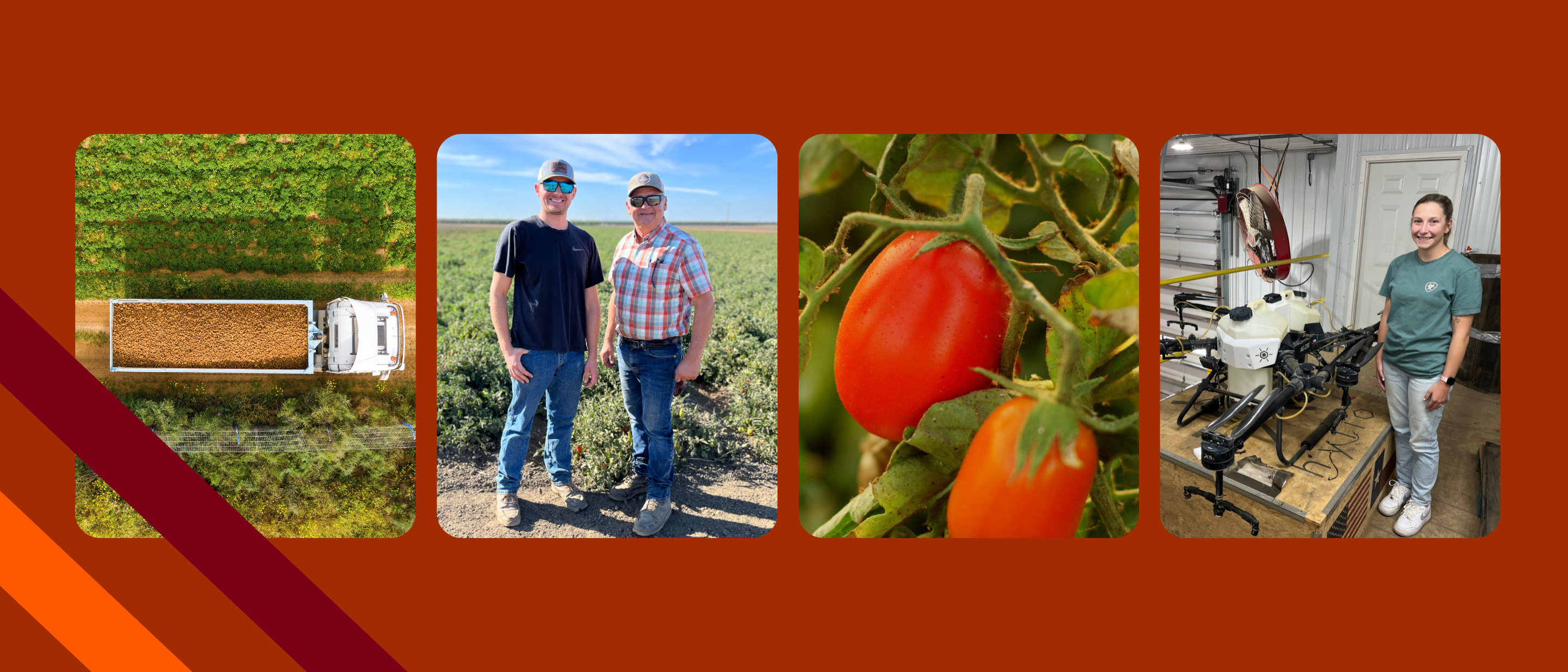
This article describes how Campbell’s Grower Grants are being used as a practical mechanism to help farmers test and scale regenerative agriculture practices on real acres. The piece is grounded in field implementation rather than theory, making it useful for growers, agronomists, and sustainability teams that need concrete examples of how regenerative agriculture is financed and adopted. It explains that Campbell’s frames regenerative agriculture as a set of practices aligned with soil health principles and focused on improving long-term land productivity, natural resource outcomes, and farm resilience. The article emphasizes that there is no single universal definition of regenerative agriculture, but that the company’s approach centers on protecting and restoring ecosystem services while reducing inputs such as pesticides, fertilizer, water, and fossil fuels.
The most actionable part of the article is the list of practices supported through the grant program. These include nitrogen stabilizers, no-till, pollinator habitat, soil moisture sensors, solar panels, tissue sampling, and water nitrate testing. The article also notes examples such as plant tissue analysis for more efficient fertilizer use, which gives a clearer picture of how the grants move beyond broad sustainability language into specific on-farm trials. A key insight is that Campbell’s acknowledges adoption barriers such as cost, logistics, and uncertainty about best practices, and uses grants to lower those barriers by helping farmers trial new practices or expand proven ones to additional acres.
The article also indicates that the grants are only one part of a broader regenerative agriculture program. Campbell’s says it also supports research, measurement, and knowledge sharing, and helps farmers access incentives and tools that reduce the risk of experimenting with new methods. That combination—direct financial support, technical validation, and access to external incentives—makes the article especially relevant as a case study in how corporations can influence adoption of soil-health practices at scale. For practitioners, the practical takeaway is that regenerative agriculture is presented here as an iterative process: identify a challenge such as nutrient efficiency, water management, or soil health; trial a targeted practice; measure results; and then scale only where the practice proves viable. The article is useful as a real-world example of implementation support for regenerative systems.
Source: thecampbellscompany.com
Related Analysis
- Farms Build Resilience, Pivot to Regenerative Soil — New initiatives and analysis explicitly frame regenerative agriculture as a direct solution for climate resilience, focu…
- Federal Policy Pivots, Builds Indigenous Agriculture Frameworks — Federal policy trends are integrating Indigenous knowledge with soil science in regenerative agriculture, shifting polic…
Related on PermaNews
- Ernst Götsch's Cacao Syntropy: Master Agroforestry Now (How-To Guide)
- Designing Regenerative Resilience: Participatory Living Labs (How-To Guide)
- Lo—TEK: Indigenous Tech for Climate Solutions (Article)
- Nakivale's Regenerative Toilets: Refugee Resilience, Circular Sanitation (Case Study)
- Pippin Home Designs: Regenerative Home Design Explained (How-To Guide)
- Borneo's Rainforest Revival: Dr. Smits' Sugar Palm Village Hub (Case Study)
Explore more in Food Systems & Growing — the full hub for this knowledge area.