Ep 213: Huw Foulkes' North Wales Red Poll Micro Dairy Journey
By Grazing Grass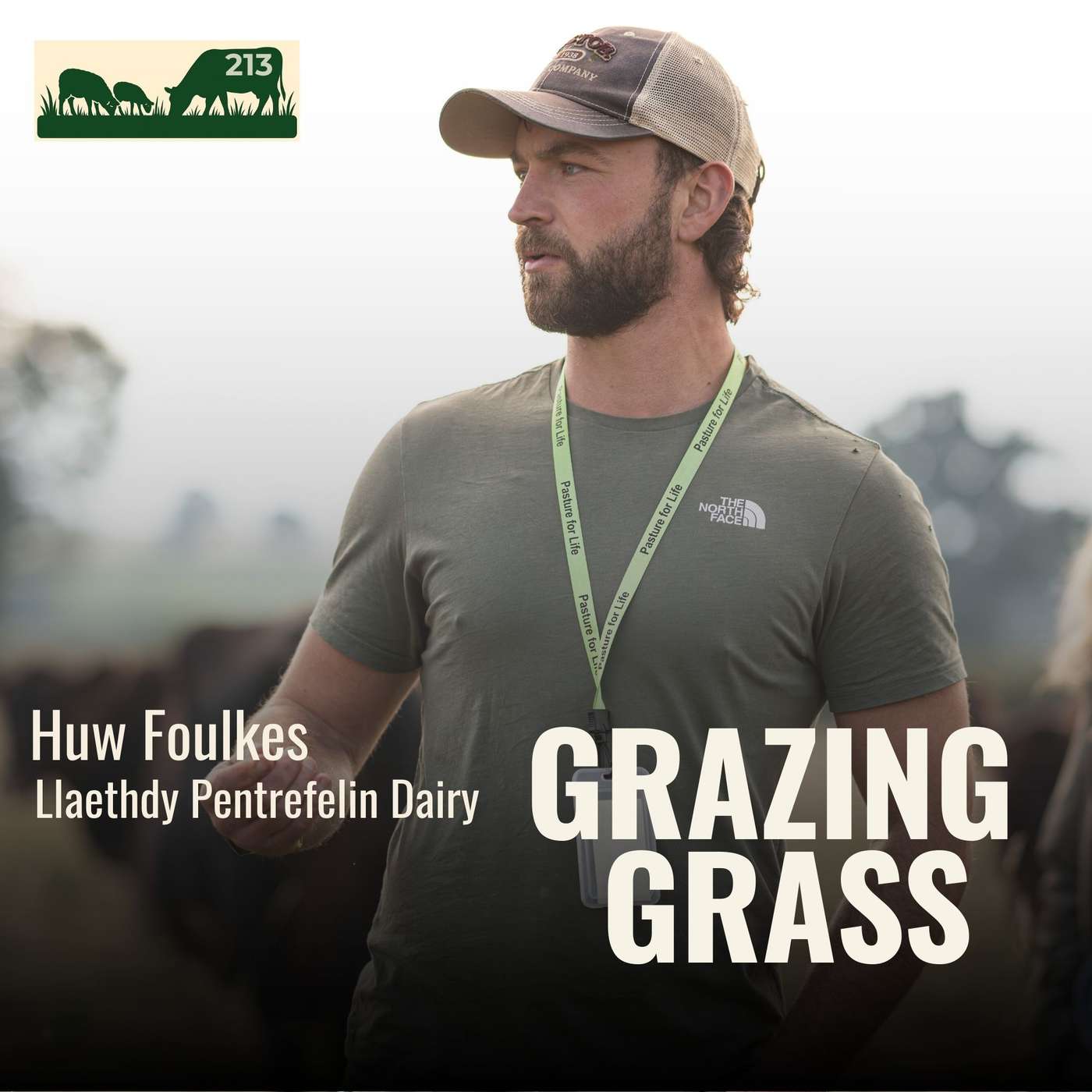
PermaNews Brief
Key Takeaways
Huw Foulkes runs a successful micro-dairy in North Wales, demonstrating how to build a resilient, multi-enterprise farm with native Red Poll cattle and direct-to-consumer sales.
- Micro-dairy uses native Red Polls for dairy and beef.
- Grass-fed system prioritizes soil health and drought resilience.
- Direct-to-consumer sales build local market.
- Diversified enterprises stack income streams.
- Simple infrastructure reduces overhead and complexity.
Why It Matters
This model offers a practical blueprint for small-scale farmers to create financially viable and ecologically sound operations, crucial for local food economies.
What to Do Next
Explore local regulations for direct-to-consumer milk sales in your region.
Recommended for: Farmers and aspiring farmers interested in building resilient micro-dairy operations with a focus on local food systems and ecological principles.
Huw Foulkes operates Pentrefelin Dairy in North Wales, where he has established a small-scale, grass-fed dairy operation centered on native Red Poll cattle. His business model emphasizes a cow-and-calf system and integrates direct-to-consumer sales of beef and other products to serve his local community.
Foulkes initiated his micro-dairy with a focus on minimal inputs and a grass-based approach. He selected Red Poll cattle due to their suitability as a dual-purpose breed, providing both dairy and beef. His grazing management strategies involve extended rest periods for pastures and mob-style rotations. These practices are implemented to enhance soil health and improve the land's resilience to drought conditions. Operating on dry, light sandy soils influences his grazing decisions, requiring careful consideration of pasture recovery and animal impact. For outwintering, Foulkes employs techniques such as bale grazing and utilizing standing hay to sustain his herd through colder months.
A significant aspect of Pentrefelin Dairy is its direct local market strategy. Foulkes sells his products directly from the farm gate, through local coffee shops, and by engaging in educational initiatives. He navigates the regulatory landscape in the UK for selling milk, which includes meeting requirements for inspections and testing, as mandated by bodies like the Food Standards Agency and local councils such as Denbighshire. The farm maintains a simple infrastructure, utilizing a portable milking machine within an existing, older parlor.
To ensure the utilization of the entire animal carcass and to educate consumers on various cuts of meat, Foulkes offers beef boxes. Beyond dairy and beef, he diversifies his farm by integrating poultry, pigs, and trees, effectively stacking multiple enterprises on the same land area. Educational outreach is another key component of his operation; he conducts farm tours and courses to inform the public about sustainable food systems and to foster support for local food initiatives.
This approach offers a practical illustration of developing a resilient, small-scale livestock business. It highlights the importance of selecting animal breeds that are well-suited to the specific land, maintaining low input costs, and establishing direct connections with local customers. Foulkes' experience provides insights for individuals considering micro-dairy operations, direct marketing, or enterprise stacking, sharing both successful strategies and lessons learned through challenges. He emphasizes that transparency and customer education can cultivate long-term customer loyalty.
Additional resources mentioned include Pasture for Life, which offers study tours and farm visits. Pentrefelin Dairy maintains an online presence through Instagram, its website, and YouTube. The discussion also touched upon resources for finding grass-based breeders and upcoming grazing events, such as Noble Profitability Essentials. The podcast episode was supported by sponsors like the Noble Research Institute and Redmond Agriculture.
Source: podcast.grazinggrass.com
Related Analysis
- Does Growing Your Own Food Actually Save Money? The Real Numbers — Most home gardens save money by year two — but only if the right crops are planted. Herbs and salad greens deliver 5–10x…
- Regenerative Farmers Flip Cover Crop Logic From Compliance to Profit — Practitioner accounts and a new meta-analysis suggest cover cropping is being reframed from conservation practice to pro…
Related on PermaNews
- Ernst Götsch's Cacao Syntropy: Master Agroforestry Now (How-To Guide)
- Designing Regenerative Resilience: Participatory Living Labs (How-To Guide)
- Lo—TEK: Indigenous Tech for Climate Solutions (Article)
- Nakivale's Regenerative Toilets: Refugee Resilience, Circular Sanitation (Case Study)
- Pippin Home Designs: Regenerative Home Design Explained (How-To Guide)
- Federal Policy Shift: Native Regenerative Ag for Soil & Carbon (Article)
Explore more in Food Systems & Growing — the full hub for this knowledge area.