Grain with a Past: How Heirloom Varieties Strengthen Biodiversity
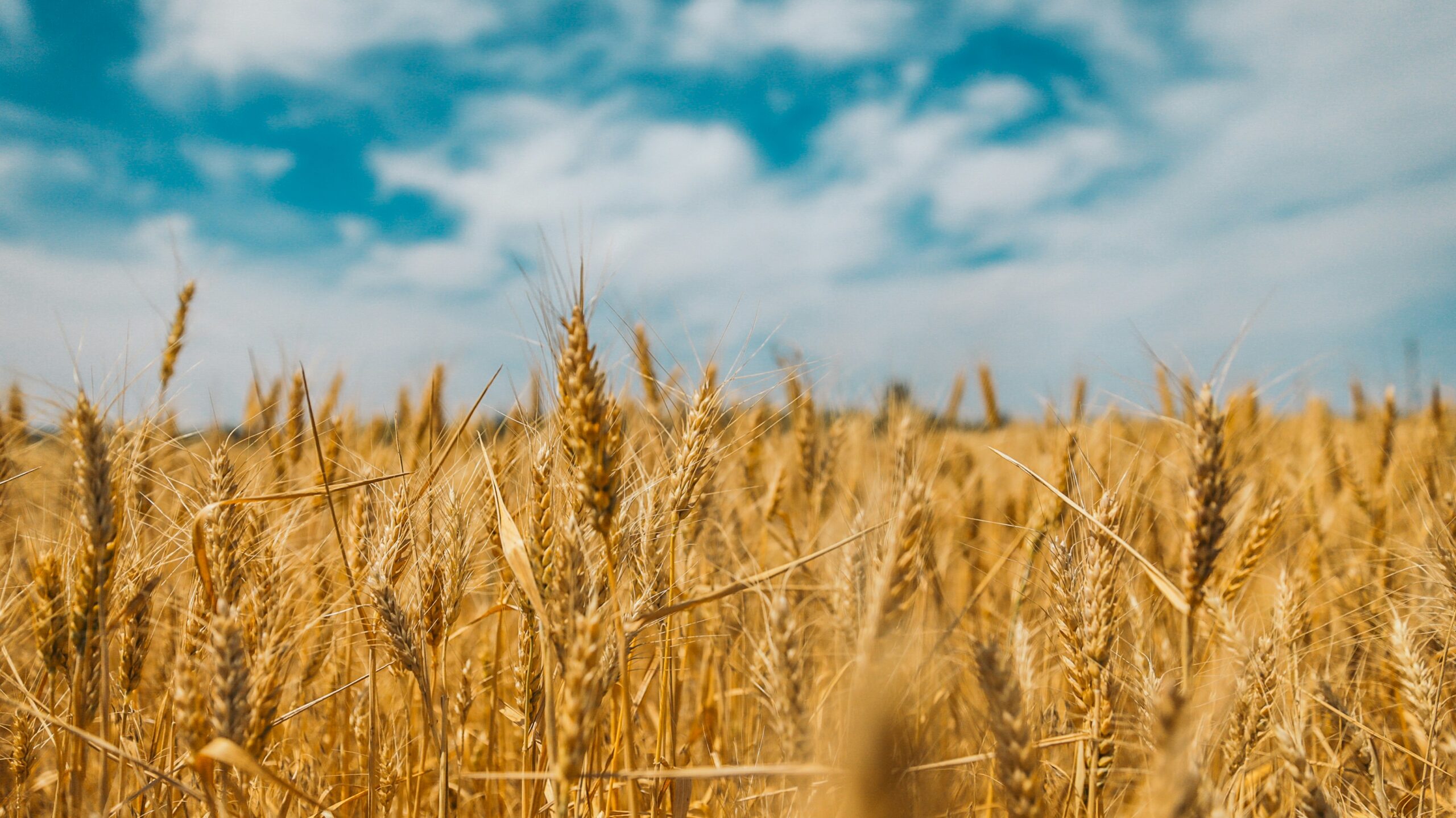
This article explains how heirloom grain varieties can contribute to biodiversity and regenerative agriculture in a practical, practitioner-oriented way. It defines heirloom grains as traditional varieties passed down through generations before industrial agriculture narrowed grain diversity, and emphasizes that these crops were selected for adaptation to specific climates, soils, pests, and low-input farming conditions rather than for maximum yield or machine efficiency. The piece gives concrete examples of heritage grains such as Red Fife wheat, Turkey Red wheat, Bloody Butcher corn, Abruzzi rye, and Blue Hopi corn, which helps readers connect the concept of heirloom genetics to real seed choices. A key insight is that many heritage varieties developed traits like deeper root penetration, stronger nutrient scavenging, improved relationships with soil microbes, and better tolerance for lower-input systems, making them especially relevant for farms seeking resilience. The article explicitly connects these traits to regenerative practices including reduced tillage, cover cropping, crop rotation, reduced chemical inputs, and carbon sequestration. That connection is valuable because it shows that seed choice and management style are linked rather than separate decisions. For growers, the practical implication is that selecting heirloom grains may support a system designed to work with soil biology and local adaptation rather than forcing high-input productivity. The article also frames heirloom genetics as compatible with climate and soil diversity, suggesting that these varieties can help farms preserve both ecological and agricultural resilience. Overall, it offers a clear rationale for seed savers, small-scale grain growers, and regenerative farmers who want to integrate heritage varieties into production systems that rebuild soil function and diversify on-farm ecosystems.
Source: eightoaksdistillery.com
Related Analysis
- Regenerative Farmers Flip Cover Crop Logic From Compliance to Profit — Practitioner accounts and a new meta-analysis suggest cover cropping is being reframed from conservation practice to pro…
- Farmers Convert Six Weeks of Rhubarb Into 25-Year Supply — Initial signals suggest a rhubarb preservation technique can extend a brief seasonal harvest into 25 years of storage—a …
Related on PermaNews
- Ernst Götsch's Cacao Syntropy: Master Agroforestry Now (How-To Guide)
- Designing Regenerative Resilience: Participatory Living Labs (How-To Guide)
- Lo—TEK: Indigenous Tech for Climate Solutions (Article)
- Nakivale's Regenerative Toilets: Refugee Resilience, Circular Sanitation (Case Study)
- Pippin Home Designs: Regenerative Home Design Explained (How-To Guide)
- Federal Policy Shift: Native Regenerative Ag for Soil & Carbon (Article)
Explore more in Food Systems & Growing — the full hub for this knowledge area.