Carbon Farming: Soil Health & Climate Solutions Explored
By Jessica Levy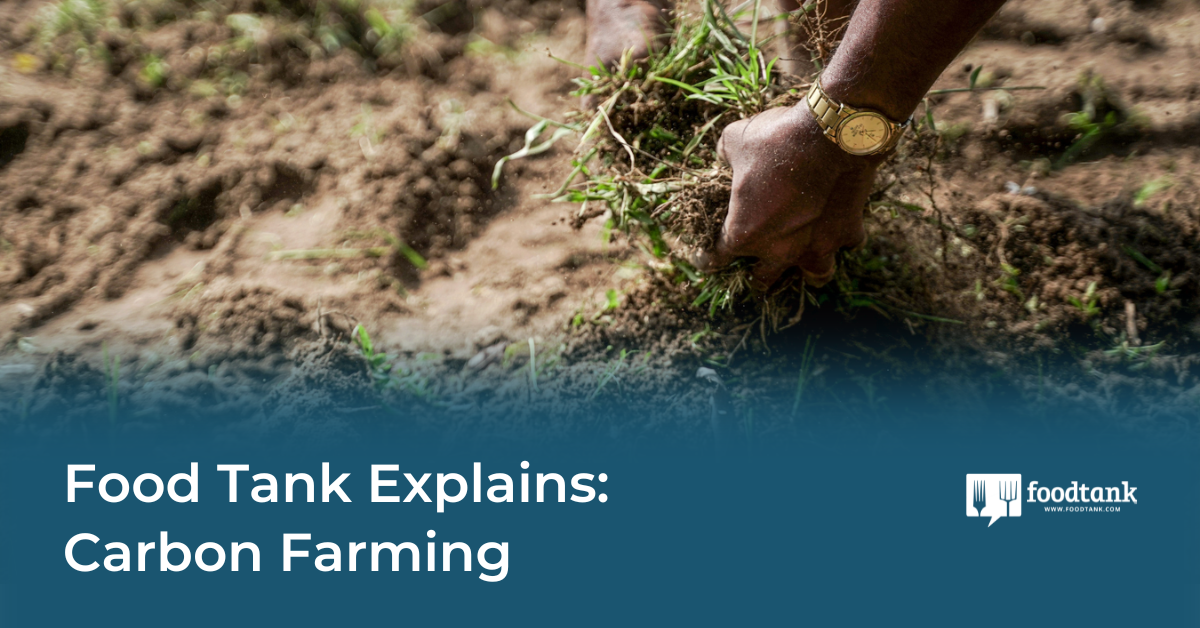
PermaNews Brief
Key Takeaways
Carbon farming improves soil health while sequestering atmospheric carbon effectively.
- Enhances soil fertility and biodiversity
- Mitigates climate change impact
- Increases farm resilience to extreme weather
- Supports sustainable agriculture practices
- Promotes carbon capture in agricultural systems
Why It Matters
Implementing carbon farming is essential for reversing ecosystem degradation and combatting climate change while enhancing food production.
What to Do Next
Explore carbon farming techniques suitable for your farm or garden.
Recommended for: Farmers and land managers interested in sustainable practices.
Carbon farming captures carbon in soil while helping farmers build healthier, more resilient land.
The post Food Tank Explains: Carbon Farming appeared first on Food Tank.
Source: foodtank.com
Related Analysis
- High-Salt Fertilizers Block Soil Microbes, Kempf Says — High-salt fertilizers disrupt soil microbes and microbial colonization, trapping farmers in chemical dependency. Biologi…
- Fertilizer Shortage Forces Reckoning on Nitrogen Sources — Fertilizer supply crisis drives farms toward nitrogen-fixing cover crops, compost, and legume rotations as alternatives.
Related on PermaNews
- Ernst Götsch's Cacao Syntropy: Master Agroforestry Now (How-To Guide)
- Designing Regenerative Resilience: Participatory Living Labs (How-To Guide)
- Lo—TEK: Indigenous Tech for Climate Solutions (Article)
- Nakivale's Regenerative Toilets: Refugee Resilience, Circular Sanitation (Case Study)
- Pippin Home Designs: Regenerative Home Design Explained (How-To Guide)
- Federal Policy Shift: Native Regenerative Ag for Soil & Carbon (Article)
Explore more in Food Systems & Growing — the full hub for this knowledge area.