Agroforestry: Nature's Way to Resilient Food Systems
PermaNews Brief
Key Takeaways
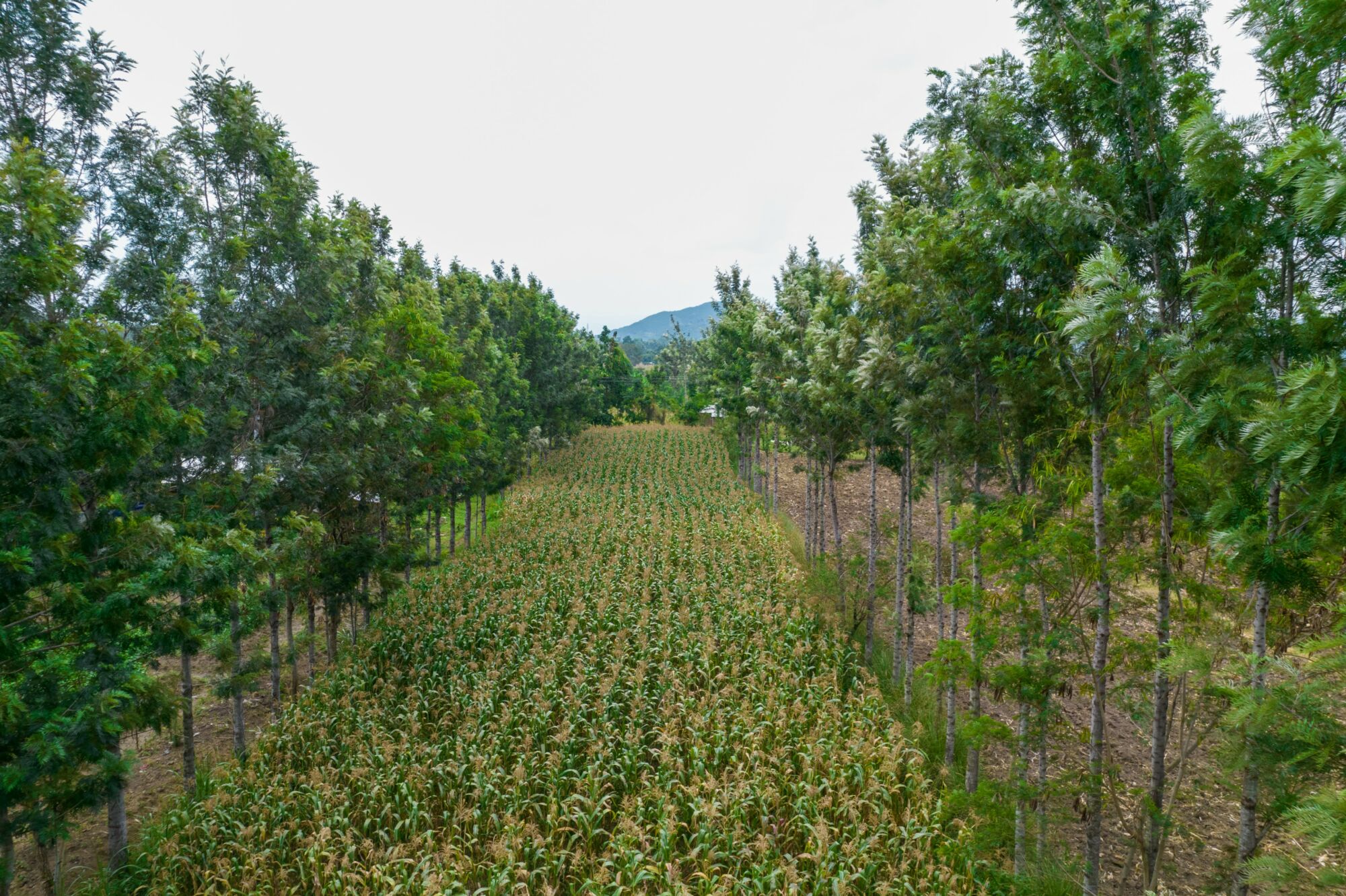
Agroforestry integrates trees, crops, and livestock to build resilient, productive ecosystems that benefit farmers and the environment.
- Agroforestry boosts soil health and water retention.
- Diverse systems improve biodiversity and microclimates.
- Farmers gain multiple income streams.
- Agroforestry sequesters carbon and aids climate adaptation.
- Various methods exist, like alley cropping and silvopasture.
Why It Matters
Adopting agroforestry practices can lead to more stable food production, increased natural resource protection, and improved economic outcomes for land managers.
What to Do Next
Research local agroforestry initiatives or consult with an expert to see how these practices could apply to your land.
Recommended for: Farmers, land managers, and environmentalists seeking integrated solutions for sustainable land use and food production.
This article provides an in-depth explanation of agroforestry as a sustainable land management practice that integrates trees, crops, and livestock into resilient ecosystems. It highlights how agroforestry enriches soil fertility through leaf litter decomposition and root systems that prevent erosion and retain moisture, creating favorable microclimates for crops. The article details practical forms of agroforestry such as alley cropping, silvopasture, and forest farming, emphasizing their role in enhancing biodiversity, conserving water, and boosting climate resilience. It also discusses how agroforestry diversifies farmer income by producing timber, fruits, nuts, and other non-timber forest products, thereby strengthening food systems and rural livelihoods. The piece underscores agroforestry’s contribution to climate change mitigation through carbon sequestration and its social benefits in creating jobs and supporting traditional agricultural practices.
Source: county254.news
Related Analysis
- High-Salt Fertilizers Block Soil Microbes, Kempf Says — High-salt fertilizers disrupt soil microbes and microbial colonization, trapping farmers in chemical dependency. Biologi…
- Fertilizer Shortage Forces Reckoning on Nitrogen Sources — Fertilizer supply crisis drives farms toward nitrogen-fixing cover crops, compost, and legume rotations as alternatives.
Related on PermaNews
- Ernst Götsch's Cacao Syntropy: Master Agroforestry Now (How-To Guide)
- Designing Regenerative Resilience: Participatory Living Labs (How-To Guide)
- Lo—TEK: Indigenous Tech for Climate Solutions (Article)
- Nakivale's Regenerative Toilets: Refugee Resilience, Circular Sanitation (Case Study)
- Pippin Home Designs: Regenerative Home Design Explained (How-To Guide)
- Borneo's Rainforest Revival: Dr. Smits' Sugar Palm Village Hub (Case Study)
Explore more in Food Systems & Growing — the full hub for this knowledge area.