Seedition Revealed: Your Guide to Regenerative Seed Saving
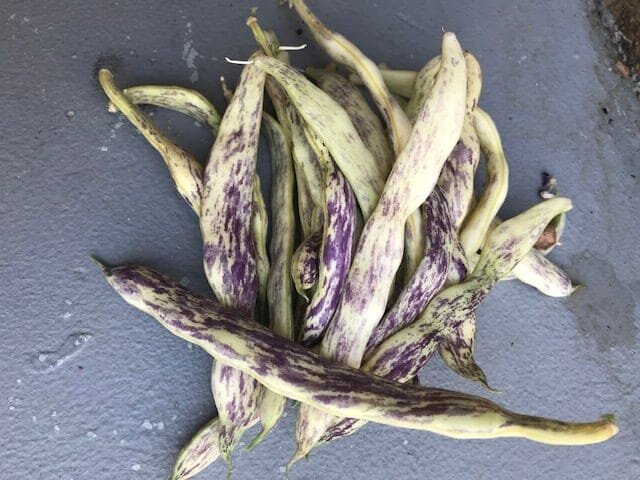
TL;DR: Saving seeds from regenerative sources and locally adapted plants builds biodiversity and resilience in your garden and community.
- Choose ethical, local seed suppliers with detailed information.
- Prioritize open-pollinated heirlooms for unique strains.
- Practice crop rotation for seed saving biodiversity.
- Coordinate with neighbors to prevent unwanted cross-pollination.
- Harvest and store seeds simply for busy gardeners.
Why it matters: Seed saving empowers gardeners to cultivate unique, climate-adapted plant varieties, fostering self-sufficiency and genetic diversity against industrial monoculture.
Do this next: Select one open-pollinated plant from your garden this season and commit to saving its seeds using simple drying and storage methods.
Recommended for: Home gardeners and community organizers interested in fostering local food sovereignty and biodiversity through simple, effective seed-saving practices.
This guide offers actionable steps for seed saving integrated with regenerative agriculture principles, focusing on ethical sourcing, local adaptation, and community coordination for diversity. Start by selecting suppliers committed to organic and regenerative practices, prioritizing those providing detailed seed info over aesthetics, and favoring local sources for climate-suited varieties. For saving, choose open-pollinated heirlooms not commonly store-bought to cultivate unique strains. Rotate saving different varieties each season after two cycles to build diversity. Address cross-pollination by coordinating with neighbors on bean types to prevent unwanted hybrids via pollinators. Practical harvesting from expert Kristina Maze: for seedy tops like carrots, basil, kale, bok choy, green onions, and dill, gently shake into separate paper lunch bags; for stubborn tiny seeds like basil, cut dried flower clusters directly into bags. Label each bag clearly and store in a dry, dark pantry. This low-time method suits busy gardeners. The guide promotes saving as an act of 'seedition' against industrial seeds, enhancing resilience through adapted, diverse genetics. Additional tips include staying local for productivity, saving from healthiest plants, and germinating whole dried flower heads for tiny seeds by sprinkling directly into soil. It emphasizes experimentation for biennials and self-pollinators, fostering community seed networks for exchange. These techniques enable small-scale, human-powered breeding, supporting permaculture goals of sovereignty and ecosystem mimicry without advanced tools.
Source: sdvforest.com
Related Analysis
- Farms Build Resilience, Pivot to Regenerative Soil — New initiatives and analysis explicitly frame regenerative agriculture as a direct solution for climate resilience, focu…
- Federal Policy Pivots, Builds Indigenous Agriculture Frameworks — Federal policy trends are integrating Indigenous knowledge with soil science in regenerative agriculture, shifting polic…
Related on PermaNews
- Ernst Götsch's Cacao Syntropy: Master Agroforestry Now (How-To Guide)
- Designing Regenerative Resilience: Participatory Living Labs (How-To Guide)
- Lo—TEK: Indigenous Tech for Climate Solutions (Article)
- Nakivale's Regenerative Toilets: Refugee Resilience, Circular Sanitation (Case Study)
- Pippin Home Designs: Regenerative Home Design Explained (How-To Guide)
- Federal Policy Shift: Native Regenerative Ag for Soil & Carbon (Article)
Explore more in Food Systems & Growing — the full hub for this knowledge area.