Indian Farmers' CA Adoption: A Willingness Assessment
By Dey et al., Hailu and Teka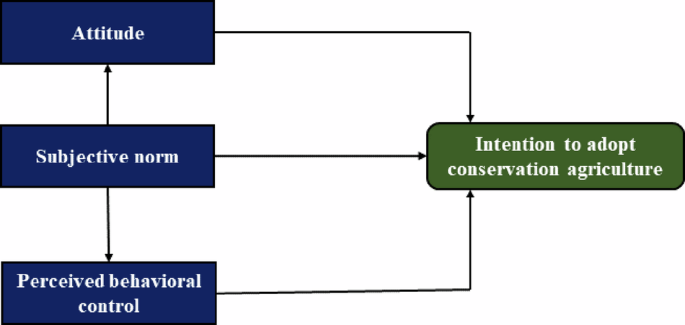
PermaNews Brief
Key Takeaways
Conservation agriculture provides a sustainable path for Indian farmers by boosting soil health and climate resilience, despite initial adoption hurdles.
- Minimum tillage protects soil structure and beneficial organisms.
- Permanent soil cover enriches soil organic matter.
- Crop diversity breaks pest cycles and improves nutrient use.
- CA reduces farming costs and greenhouse gas emissions.
- Facing initial yield dips and social resistance is common.
Why It Matters
Adopting conservation agriculture can significantly enhance farm sustainability, improve food security, and combat climate change impacts in agricultural regions.
What to Do Next
Research local incentives or farmer groups promoting conservation agriculture practices in your area.
Recommended for: Farmers, policymakers, and agricultural researchers interested in sustainable farming practices and climate adaptation in agriculture.
This article explores the principles of conservation agriculture (CA), which include minimal soil disturbance, permanent soil cover through cover crops or crop residues, and crop diversification via rotations or intercropping. It highlights the multiple benefits of CA such as improved soil health, reduced greenhouse gas emissions, and lower cultivation costs, which contribute to sustainable agricultural production and climate resilience. The study also addresses challenges faced by farmers in adopting CA, including initial yield losses and social acceptance issues. Emphasizing CA's role in sustainable production systems, the article provides insights into how these practices can enhance soil quality and support long-term food security in India, considering socio-economic and environmental factors influencing farmer adoption decisions.
Source: nature.com
Related Analysis
- High-Salt Fertilizers Block Soil Microbes, Kempf Says — High-salt fertilizers disrupt soil microbes and microbial colonization, trapping farmers in chemical dependency. Biologi…
- Fertilizer Shortage Forces Reckoning on Nitrogen Sources — Fertilizer supply crisis drives farms toward nitrogen-fixing cover crops, compost, and legume rotations as alternatives.
Related on PermaNews
- Ernst Götsch's Cacao Syntropy: Master Agroforestry Now (How-To Guide)
- Designing Regenerative Resilience: Participatory Living Labs (How-To Guide)
- Lo—TEK: Indigenous Tech for Climate Solutions (Article)
- Nakivale's Regenerative Toilets: Refugee Resilience, Circular Sanitation (Case Study)
- Pippin Home Designs: Regenerative Home Design Explained (How-To Guide)
- Federal Policy Shift: Native Regenerative Ag for Soil & Carbon (Article)
Explore more in Food Systems & Growing — the full hub for this knowledge area.