Strawberry Patch Prep: Maximize Your Harvest
By Roots and Refuge Farm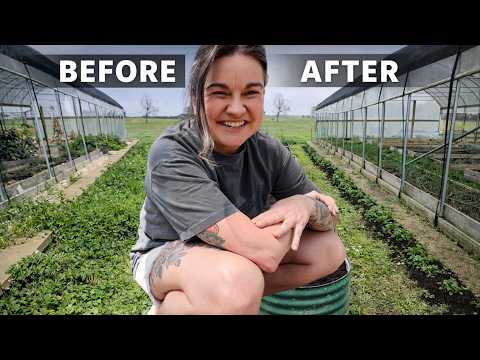
TL;DR: Resetting strawberry patches annually is crucial for preventing overcrowding, managing disease, and boosting future yields through strategic pruning and soil care.
- Annually prune strawberry runners to prevent overcrowding.
- Remove old and diseased foliage to promote new growth.
- Replenish soil nutrients for vigorous strawberry plants.
- Proper spacing improves air circulation and reduces disease.
- Targeted pruning enhances fruit size and quantity.
Why it matters: Timely intervention in strawberry patch management directly impacts the health and productivity of your plants, ensuring a more abundant harvest.
Do this next: Learn how to properly prune strawberry runners and old foliage to prepare your patch for next season.
Recommended for: Gardeners looking to optimize their strawberry patch for maximum yield and plant health.
As the gardening season progresses, attention often turns to preparing for the next wave of crops, and strawberries are a prime example of a plant that benefits significantly from timely intervention. The process of "resetting" a strawberry patch is crucial for ensuring a bountiful harvest in the coming year. This isn't just about tidying up; it's a strategic approach to plant health and productivity.
One of the primary reasons for a strawberry reset is to manage the plant's natural growth habit. Strawberries are prolific producers of runners, which are horizontal stems that develop new plantlets. While these runners are a natural way for strawberries to propagate, an excessive number can lead to overcrowding. Overcrowding reduces air circulation, making the plants more susceptible to fungal diseases, and it also causes competition for nutrients and sunlight, ultimately diminishing fruit size and yield. Therefore, a key part of the reset involves selectively removing these runners. The goal is to maintain a healthy spacing between the mother plants and any desired new plantlets, ensuring each plant has adequate resources to thrive.
Another critical aspect of the reset is addressing the foliage. As the season progresses, strawberry leaves can become old, damaged, or diseased. These older leaves may harbor pests or pathogens, and their removal can help prevent the spread of problems to new growth. Pruning back the foliage, often referred to as "mowing" or "cutting back," encourages the plant to put its energy into developing new, healthy leaves and, more importantly, into forming strong flower buds for the following year's fruit. This process also allows for better light penetration to the crown of the plant, which is essential for future fruit production.
Soil health is intrinsically linked to plant vigor, and a strawberry reset provides an excellent opportunity to replenish nutrients. Strawberries are relatively heavy feeders, and over time, they can deplete the soil of essential elements. Incorporating compost or other organic matter into the beds after pruning helps to enrich the soil, improve its structure, and provide a slow-release source of nutrients. This amendment supports robust root development and overall plant health, setting the stage for a productive season.
Weed control is another vital component. Weeds compete with strawberry plants for water, nutrients, and sunlight, and they can also act as hosts for pests and diseases. A thorough weeding of the strawberry patch during the reset period minimizes this competition, allowing the strawberry plants to allocate their resources more effectively towards fruit production. Applying a fresh layer of mulch after weeding can further suppress weed growth, conserve soil moisture, and help regulate soil temperature.
Finally, the reset is also a time for general assessment of the strawberry patch. This includes checking for any signs of pest infestations or diseases that might have gone unnoticed during the peak growing season. Addressing these issues promptly can prevent them from becoming more severe and impacting future harvests. It's also an opportunity to identify any plants that are no longer performing well and consider replacing them with new, vigorous stock. By systematically addressing these various elements, a strawberry reset ensures the long-term health and productivity of the patch, leading to a more abundant and higher-quality harvest in subsequent seasons.
Source: youtube.com
Related Analysis
- Farmers Convert Six Weeks of Rhubarb Into 25-Year Supply — Initial signals suggest a rhubarb preservation technique can extend a brief seasonal harvest into 25 years of storage—a …
- Compost Builds Soil Microbiomes—But Human Waste Divides Practitioners — A small but consistent set of signals indicates composting's soil benefits are well-documented, while human-waste compos…
Related on PermaNews
- Year-Round Harvest: The 6-Month Storage Perennial Vegetable (Video)
- Year-Round Garlic: Perennial Allium Sativum Harvests! (Video)
- Perennial Veggies: Easy, Continuous Harvests (#Permaculture) (Video)
- Year-Round Leeks: Grow All Four Seasons! (Video)
- Is Your Apple Tree Dead? Key Signs to Look For (Video)
- Japanese Taro: Endless Yield from This Near-Perennial Root Crop (Video)
Explore more in Food Systems & Growing — the full hub for this knowledge area.