JMR Farm's WV Legacy: Custom Grazing, Katahdin Sheep (218)
By Grazing Grass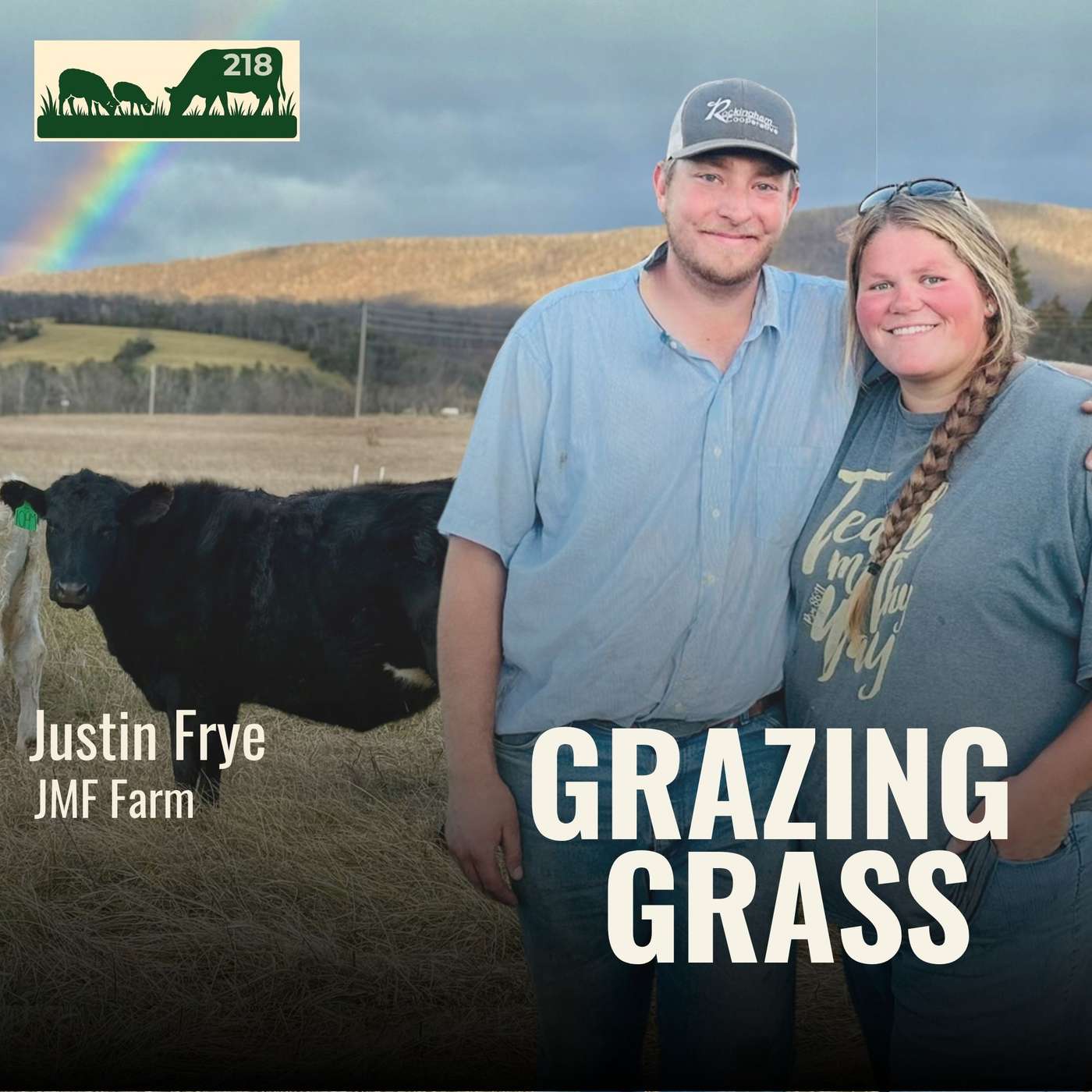
PermaNews Brief
Key Takeaways
JMR Farm balances custom grazing, sheep, and feeder lamb operations on ancestral land while navigating drought and off-farm work.
- Custom grazing offers a path to farm viability and expansion.
- Drought resilience requires adaptive grazing strategies and monitoring.
- Hard culling builds a more parasite-resistant livestock flock.
- Integrating sheep and cattle can optimize pasture utilization.
- Start-up farms benefit from mentorship and strategic partnerships.
Why It Matters
This farm provides a compelling case study of how to build a diversified livestock operation from scratch, even on inherited land with limited capital, by focusing on custom services and strategic enterprise choices.
What to Do Next
Explore custom grazing opportunities with local landowners in your area to leverage existing pasture resources.
Recommended for: Aspiring and current livestock farmers interested in diversifying income streams, improving land management, and building resilience in challenging conditions.
Justin Frye of JMR Farm in Baker, West Virginia joins the show to talk about building a farm from scratch on a family property that's been in his family since 1847. He and his wife Maggie custom graze cow-calf pairs, run a Katahdin hair sheep flock, and buy and finish feeder lambs — all while working off-farm jobs and figuring out what enterprises fit their operation best.Justin shares the story of how his grandfather's surprise offer to sell the family farm set everything in motion, how a connection through a mentor led to their first custom grazing arrangement, and what three consecutive years of drought have taught him about managing grass for someone else's cattle. He also walks through the sheep learning curve, going from 89 ewes down to 30 through hard culling, and explains their feeder lamb protocol from receiving through market.Topics covered:Growing up on a family farm in West Virginia and the influence of mentors at Potomac State CollegeBuying the family farm (in operation since 1847) and what made it financially possibleHow a mentor connection led to their first custom grazing opportunityWhat services JMR Farm provides under the custom grazing agreement, daily moves, pink eye treatment, weaning and vaccinating calves, getting them started on feedManaging three consecutive drought years while grazing someone else's cattleMoving toward 60-day rest periods and what they've learned about residual sward heightBuilding 13,000 feet of exterior and cross fence with just Justin and MaggieSilvopasture plans: thinning wooded areas and controlling multiflora rose and autumn oliveWhy they chose Katahdin hair sheep, the profitability case, and the steep learning curveFAMACHA scoring, dewormer resistance, and culling hard for a parasite-resistant flockGrazing sheep with cattle: their plan for this seasonThe feeder lamb operation: buying 40-60 lb lambs, feeding to 80-100 lbs, sell-buy marketingCattle handling with a Bud Box, the DS Livestock sheep system, and tips for lo
Source: podcast.grazinggrass.com
Related Analysis
- High-Salt Fertilizers Block Soil Microbes, Kempf Says — High-salt fertilizers disrupt soil microbes and microbial colonization, trapping farmers in chemical dependency. Biologi…
- Fertilizer Shortage Forces Reckoning on Nitrogen Sources — Fertilizer supply crisis drives farms toward nitrogen-fixing cover crops, compost, and legume rotations as alternatives.
Related on PermaNews
- Ernst Götsch's Cacao Syntropy: Master Agroforestry Now (How-To Guide)
- Designing Regenerative Resilience: Participatory Living Labs (How-To Guide)
- Lo—TEK: Indigenous Tech for Climate Solutions (Article)
- Nakivale's Regenerative Toilets: Refugee Resilience, Circular Sanitation (Case Study)
- Pippin Home Designs: Regenerative Home Design Explained (How-To Guide)
- Federal Policy Shift: Native Regenerative Ag for Soil & Carbon (Article)
Explore more in Food Systems & Growing — the full hub for this knowledge area.