Northeast Silvopasture Case Studies
PermaNews Brief
Key Takeaways
Farmers in the Northeast showcase practical silvopasture applications across diverse contexts.
- 145 farmers participated across nine states
- 27,000 acres managed, 5,300 acres silvopasture
- Nine-part video series highlights different practices
- Case study sheets available for download
- Material rooted in real practitioner experiences
Why It Matters
This resource provides valuable insights into silvopasture's adaptability, demonstrating practical applications for farmers and land managers.
What to Do Next
Explore the case study sheets for tailored silvopasture strategies.
Permaculture Context
What makes this collection genuinely significant is not the scale of participation but the quality of the signal it sends about silvopasture's practical viability across highly varied Northeastern landscapes — from the thin glacial soils of Vermont hillsides to the mixed hardwood margins of Pennsylvania valleys. For anyone designing a homestead or farm toward long-term resilience, the documented diversity of approaches matters enormously: silvopasture is not a single template but a design conversation between your specific animals, your existing tree canopy, your forage ecology, and your market context. These case studies function as a decision-support library, helping practitioners avoid the costly trial-and-error that accompanies most agroforestry transitions. More broadly, when 145 farmers across nine states are openly documenting what is working on real land, it accelerates the regional learning curve in ways that academic research rarely achieves. If you are moving toward integrating livestock with woody perennials — whether for meat, timber, fodder, or ecosystem services — this is the kind of grounded, peer-sourced intelligence that meaningfully shortens your path from intention to implementation.
Recommended for: Farmers and land managers interested in silvopasture.
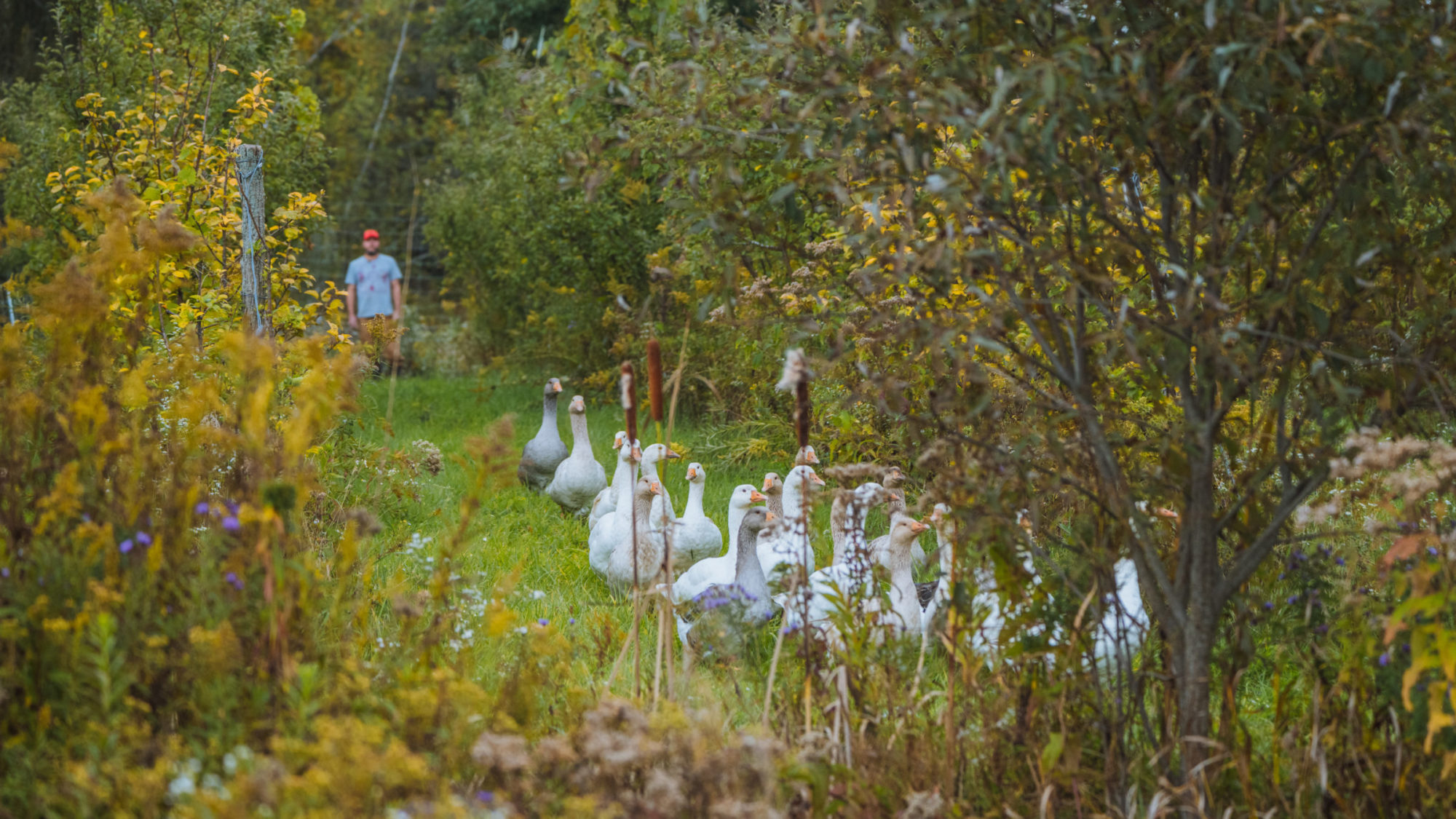
This project compiles practitioner-led silvopasture case studies and storytelling from across the Northeastern United States, with the explicit goal of documenting how farmers are applying silvopasture in real settings. The work began with an inventory of self-identified silvopasture practitioners in the region and includes data from 145 respondents across nine states: Maine, Vermont, New Hampshire, Massachusetts, Connecticut, New York, Rhode Island, New Jersey, and Pennsylvania. Those respondents reported stewarding roughly 27,000 acres in total, with about 5,300 acres under silvopasture management. From that group, the project selected a range of examples to build a nine-part silvopasture video series and accompanying case study sheets, which together provide a snapshot of different farm contexts and management approaches. The project description emphasizes that the materials are grounded in practitioner experience rather than abstract theory, which makes them especially relevant for farmers, technical advisors, and land managers looking for implementation examples. It also notes that the case study sheets are available for download and that the videos are part of the Farming with Trees network, a decentralized agroforestry community focused on collaborative, ecosystem-grounded practice. The value of this resource is in its breadth across multiple farms, states, and production contexts, which can help users compare how silvopasture is adapted to local conditions. Although the page is not a single farm narrative, it is still substantive because it aggregates field experience, quantifies participation and acreage, and provides multiple media formats for learning. For someone evaluating silvopasture adoption, this source offers a regional view of scale, practitioner diversity, and the existence of documented case materials rather than merely promotional language.
Source: regenerativedesigngroup.com
Related Analysis
- Baltimore Researchers Reject Yield as Urban Farm Success Metric — Several sources suggest urban agriculture is being recast from food supplement to food sovereignty tool, with peer-revie…
- Urban Food Forest Tours Signal Shift From Passive Gardens — Several initiatives indicate urban food forests are evolving into hands-on design and education hubs — distinct from con…
Related on PermaNews
- Ernst Götsch's Cacao Syntropy: Master Agroforestry Now (How-To Guide)
- Borneo's Rainforest Revival: Dr. Smits' Sugar Palm Village Hub (Case Study)
- Nagaland's Jhum-Alder Agroforestry: Climate-Smart Farming (Article)
- Revolutionizing Agriculture: People, Nature, & a Fertile Earth (Article)
- Interaktive Karte: Erfolgreiche Agroforst- und Mischbetriebe in Europa (Event)
- Regenerative Farming: Cultivating Healthy Soil & Biodiversity (How-To Guide)
Explore more in Food Systems & Growing — the full hub for this knowledge area.