Our Off Grid Solar & Wind Setup: Tour and Specs
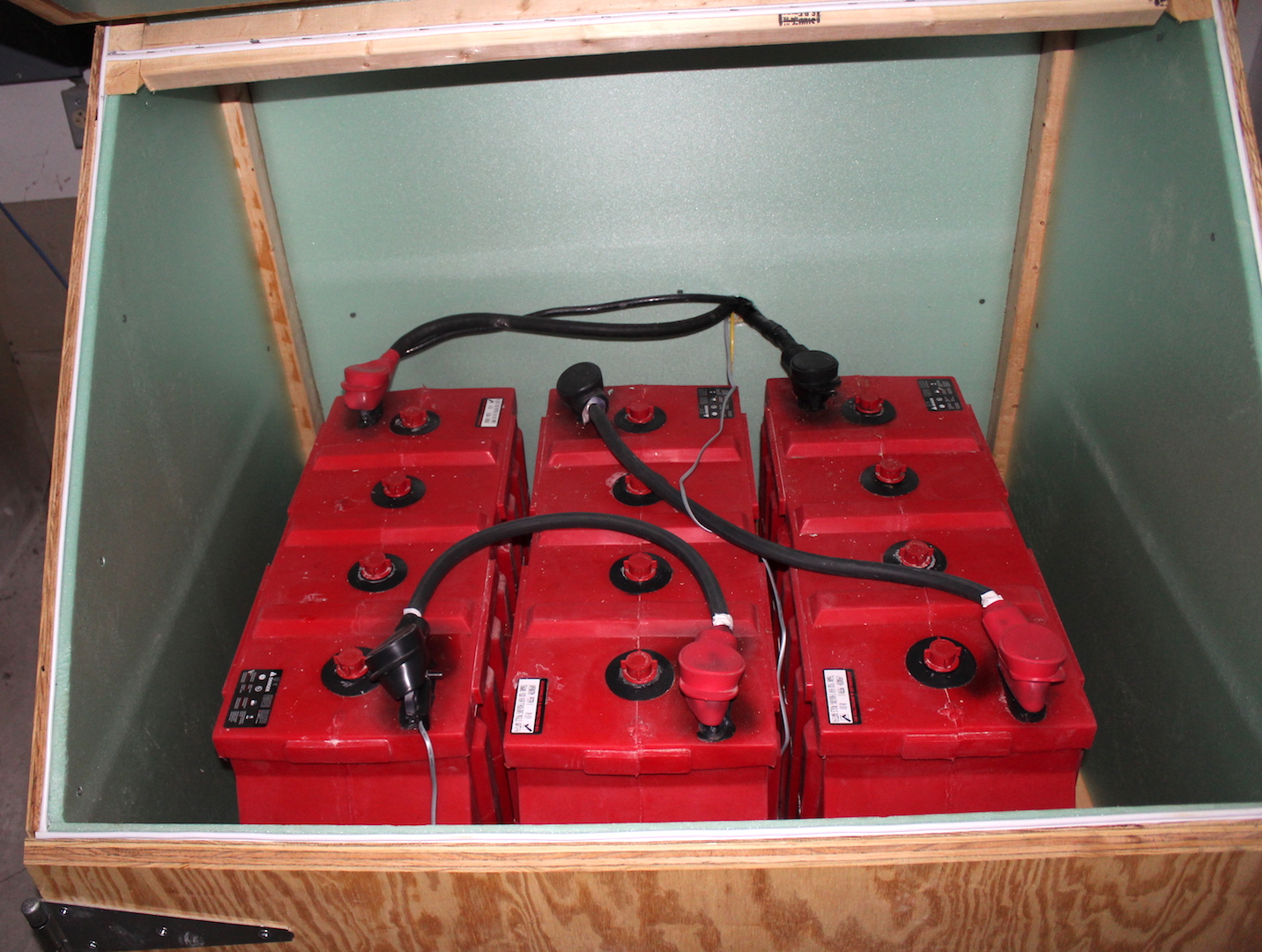
This article is a practical tour of a real off-grid renewable energy system, focused on how solar, wind, batteries, inverter equipment, and charge control work together in a self-sufficient living context. It is the strongest fit in the provided results because it presents an actual installed system rather than generic background advice. The article includes specific hardware and performance details that can help a practitioner understand how a hybrid off-grid setup is assembled and what capacity choices were made. The system uses 12 solar panels rated at 300 watts each for a total of 3.6 kW, paired with a Bergey XL1 1 kW wind turbine, a Rolls 8CS25P battery bank, a Magnum Energy MSH4024RE inverter rated at 4,000 watts continuous output, and Outback MX60 plus Xantrex C40 charge controllers. Those details make the piece useful for comparing real-world component selection across generation, storage, and power conversion. The article also signals that the goal is not only energy independence but resilient living with multiple generation sources, which is especially relevant for regenerative homesteads, woodland smallholdings, and remote cabins. Because the page is presented as a tour with specs and installation tips, it likely offers field-tested insight into layout decisions, equipment integration, and the practical tradeoffs of combining solar and wind for year-round power. Readers looking for sizing benchmarks, equipment compatibility clues, or an example of a modest-scale hybrid system will likely find more concrete value here than in a generic guide. The article is especially relevant for people trying to understand what a workable off-grid system looks like in practice, how much generation may be needed, and how battery storage and inverter limits shape daily energy use. It is also valuable as a reference point for people designing resilient systems that must handle variable weather, seasonal output changes, and the need for storage beyond short-term consumption. In short, this article offers a grounded real-world example of integrated off-grid power for independent living, with enough concrete component data to inform early-stage planning or comparative system design.
Source: practicalselfreliance.com
Related Analysis
- Homeowners Retrofit Properties with Renewable Energy Solutions — Renewable energy retrofitting gains traction as regenerative agriculture principles inform home upgrades. Experts point …
- New Practices Build Climate-Resilient Cob Homes — Cob construction emerges as a key strategy in enhancing resilience against ecological challenges in permaculture systems…
Related on PermaNews
- Ernst Götsch's Cacao Syntropy: Master Agroforestry Now (How-To Guide)
- Finnish Off-Grid: Rocket Mass Heater Performance in Greenhouse (Case Study)
- Designing Regenerative Resilience: Participatory Living Labs (How-To Guide)
- Lo—TEK: Indigenous Tech for Climate Solutions (Article)
- Rodale Report 2025: Thermal Mass Boost in Solar Greenhouses (Case Study)
- Nakivale's Regenerative Toilets: Refugee Resilience, Circular Sanitation (Case Study)
Explore more in Shelter, Energy & Infrastructure — the full hub for this knowledge area.